
The Meaning in the Bean
Before diving into what makes Coorg’s coffee so special, it’s helpful to understand a few key terms. 'Single-origin' means the coffee comes from a specific geographical area, often a single farm or estate. This traceability is crucial because, like wine,
coffee’s flavour is deeply influenced by its environment. 'Specialty coffee' refers to beans of the highest grade, virtually free of defects. For a coffee to be deemed 'specialty,' it must score highly on a 100-point scale that assesses aroma, flavour, acidity, and body. Coorg’s Arabica consistently meets this high bar, making it a sought-after bean for connoisseurs worldwide. Unlike mass-market blends that mix beans from various places to create a uniform taste, single-origin specialty coffee celebrates the unique character of its home.
Coorg’s Unique Natural Advantage
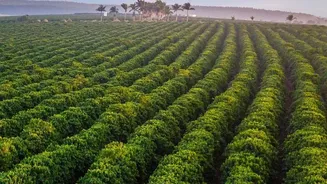
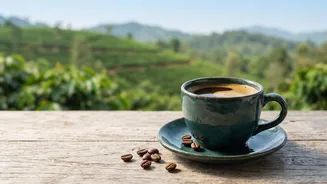
Nestled in the misty Western Ghats of Karnataka, Coorg provides an almost magical setting for growing high-quality Arabica. The region’s high altitude, rich loamy soil, and abundant rainfall create the perfect storm of conditions for coffee plants to thrive. But the real secret to its complex flavour lies in a traditional practice: shade-growing. For generations, Coorg’s coffee has been cultivated under a dense canopy of native trees like rosewood and wild fig, as well as fruit and spice trees such as jackfruit, orange, cardamom, and pepper. This method slows down the coffee cherry’s ripening process, allowing more complex sugars and flavours to develop within the bean. This natural, biodiverse ecosystem contributes directly to the nuanced taste profile that sun-drenched, open-field plantations simply cannot replicate.
The Source of Fruity Aromas
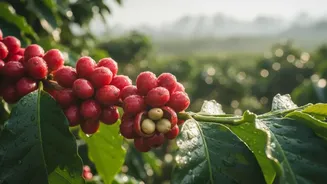
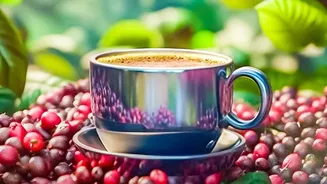
So where do those ‘fruity aromas’ come from? The answer is in the air and the soil. When coffee grows alongside fruit and spice trees, it subtly absorbs the characteristics of its environment. The intermingling of flora means that the coffee cherries mature while surrounded by the scents of orange blossoms, ripening jackfruit, and warming spices. This doesn't mean the coffee is artificially flavoured; rather, the beans develop delicate, inherent notes that mirror their surroundings. After being hand-picked at peak ripeness, the beans are often processed using methods that preserve these subtle qualities. Depending on the specific estate and processing, you might detect notes of cherry, ripe strawberry, or even tropical fruits in a cup of Coorg Arabica, all thanks to its unique, shade-grown origins.
Understanding ‘Balanced Acidity’
The term ‘acidity’ can be misleading for newcomers to specialty coffee. It doesn’t refer to sourness but rather to the bright, sparkling, and lively quality that makes a coffee refreshing. Think of the pleasant tang in a crisp apple or a glass of wine; that’s acidity. Indian coffees are globally recognised for their beautifully balanced acidity, and Coorg’s Arabica is a prime example. Because it’s shade-grown at high altitudes, the coffee develops a smooth, mellow character rather than a sharp, aggressive tang. This results in a cup that feels vibrant on the palate without being overwhelming. Processors often use the 'washed method', where the fruit pulp is removed before drying, which further enhances this clean and bright acidity, allowing the bean's inherent sweetness and delicate notes to shine through.
Bringing the Experience Home
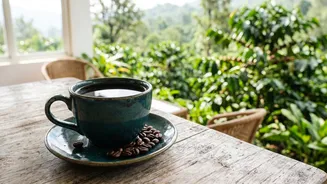
The journey of a Coorg Arabica bean doesn't end at the estate. The final flavour is also in the hands of the roaster and the brewer. Roasters who handle single-origin beans aim to highlight their unique profile, not mask it. A medium roast is often preferred for Coorg Arabica, as it preserves the fruity notes and balanced acidity without introducing too much bitterness. When brewing at home, methods like a pour-over, French press, or AeroPress are excellent choices for showcasing the coffee's complexity. These manual brewing techniques give you control over variables like water temperature and brew time, allowing you to unlock the full spectrum of flavours that make this coffee a true taste of its origin.