







What Exactly Are ‘Double Showers’?
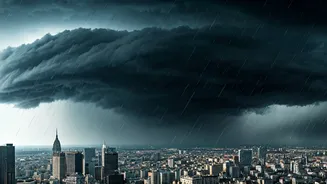
The term isn't just a poetic descriptor for heavy rain; it points to a complex and increasingly common meteorological event. A 'double shower' or 'twin system' event happens when two or more significant weather systems become active simultaneously, their
interactions compounding to produce intense, widespread, and often unpredictable rainfall. Recent forecasts from the India Meteorological Department (IMD) show this in action. For example, a low-pressure area forming over the Bay of Bengal can move inland, while at the same time, an active western disturbance affects the northern plains or a strong monsoon trough pulls moisture from the Arabian Sea. Instead of a single, predictable monsoon pattern, these systems act in concert, creating a supercharged rain event. One system provides the fuel—enormous amounts of moisture—while the other provides the pull, drawing that moisture deep into the mainland and unleashing it with ferocious intensity.
When The City Drains Give Up
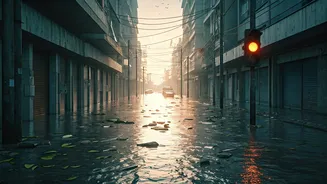
For urban India, the consequence of these double showers is immediate and chaotic: widespread waterlogging and flash floods. Cities like Mumbai, Delhi, and Ahmedabad have recently seen a single day of intense rain bring life to a standstill, submerging roads, flooding underpasses, and causing massive traffic gridlocks. The problem is that our urban infrastructure was never designed to handle such concentrated deluges. Drains are quickly overwhelmed, and the vast expanses of concrete and asphalt prevent rainwater from being absorbed into the ground, turning streets into dangerous canals. Recent incidents are a grim reminder of the gap between official pre-monsoon readiness claims and the ground reality. We see dramatic scenes of vehicles submerged, commuters stranded for hours, and in the most tragic cases, people falling into open drains hidden by floodwaters.
More Than Just an Urban Problem
While urban flooding grabs headlines, the impact of these intense rain events is just as severe in rural areas, though in different ways. For agriculture, which depends on the monsoon, too much rain at once can be as bad as too little. Intense downpours can lead to soil erosion, damage standing crops, and delay sowing seasons. In mountainous regions like Himachal Pradesh and Uttarakhand, the interaction of monsoon winds with western disturbances dramatically increases the risk of landslides and flash floods, washing away roads and isolating communities. The sheer volume of water released during these events can overwhelm river systems and reservoirs, posing a threat to villages downstream. The challenge is balancing the need for rain to replenish water sources after a dry spell with the danger posed by sudden, extreme precipitation events that our natural and man-made landscapes are struggling to cope with.
Building Sponges, Not Just Walls
Surviving these supercharged monsoons requires moving beyond temporary fixes. A rooftop keeps you dry, but it doesn't stop your street from flooding. The consensus among urban planners and environmental experts is that we need to redesign our cities to live with water, not just fight it. This involves creating 'sponge cities'—urban areas designed with more permeable surfaces like parks, green roofs, and porous pavements that can absorb rainwater. It also means investing heavily in upgrading and maintaining our outdated drainage systems and protecting natural floodplains like wetlands and mangroves from encroachment. Some cities are taking steps in the right direction. Ahmedabad, for instance, is developing a scientific flood prediction system with IIT Gandhinagar to provide early warnings. These are the kinds of systemic, forward-thinking solutions needed to build resilience.
Your Personal Monsoon Action Plan
While systemic change is crucial, individual preparedness can make a significant difference in staying safe. First, stay informed. Monitor weather alerts from official sources like the IMD. Second, prepare an emergency kit with essentials like non-perishable food, drinking water, a first-aid kit, a torch, and any necessary medications. Third, know the risks in your area. Avoid walking or driving through waterlogged streets; it's often impossible to see open manholes or dangerous debris. Fourth, have a family communication plan in case you get separated during an emergency. Finally, at a community level, simple actions like ensuring local drains are clear of garbage before the rains can help mitigate localised flooding. Taking these small but crucial steps can help protect you and your family when the next double shower arrives.