

Brakes: Your First Line of Defence
Driving in the hills puts immense strain on your brakes. The long descents can cause them to overheat, reducing their effectiveness when you need them most. Before your trip, listen for any squealing or grinding sounds, which could indicate worn brake pads.
Check your brake fluid level and ensure it's not dark or murky. If it is, a flush might be in order. For peace of mind, especially if you're unsure, have a mechanic inspect the brake pad thickness and rotor condition. On the road, avoid constantly riding the brakes downhill. Instead, shift to a lower gear to let the engine assist with braking.
Tyres: The Grip You Can't Ignore
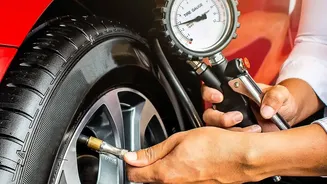
Your tyres are your car's only connection to the road, and on winding, unpredictable mountain paths, their condition is critical. Check the tyre pressure when the tyres are cold, inflating them to the manufacturer's recommended level, which is usually found on a sticker inside the driver's door. Underinflated tyres can overheat on long drives, while overinflated ones can reduce grip. Also, inspect the tread. A minimum depth of 3-4 mm is advisable for good grip on potentially wet or slippery surfaces. Don't forget to check the spare tyre and ensure you have a functional toolkit, jack, and wrench.
Engine and Cooling: Prevent Overheating
Climbing steep inclines forces your engine to work much harder, generating excess heat. A failure in the cooling system is a common cause of breakdowns on mountain trips. Before you leave, check your engine oil and coolant levels. The coolant reservoir should be filled to the appropriate mark, and the fluid should be clean. Driving at high altitudes means the air is thinner, which not only reduces engine power but also makes it harder for the cooling system to dissipate heat. If you notice the temperature gauge climbing, turning off the air conditioner can reduce the load on the engine.
Lights and Wipers: For Unpredictable Weather
Weather in the hills can change in an instant, with fog, mist, and sudden showers reducing visibility to near zero. Functional lights are non-negotiable. Do a walk-around of your car and check that your headlights, tail lights, brake lights, and indicators are all working correctly. Fog lamps, if you have them, can be a massive help. Similarly, ensure your wiper blades are not cracked or worn and that they clear the windshield effectively without streaking. Top up the windshield washer fluid, as you may need it to clear away mud and grime on narrow roads.
Battery and Electrics: The Spark for Your Journey
A dead battery can leave you stranded, and finding help in a remote hilly area can be a challenge. Colder temperatures at higher altitudes can also put extra strain on a weak battery. Before you go, check the battery terminals for any signs of corrosion—a white, powdery substance—and clean them if necessary. If your battery is more than three years old or you've noticed your car struggling to start, it's wise to have it tested at a service centre. It's a quick check that can prevent a significant delay to your vacation.
Emergency Kit: Your Roadside Companion
While your car comes with a basic toolkit, a well-stocked emergency kit is crucial for a hill trip. Beyond the essentials for changing a tyre, consider packing a portable tyre inflator, a puncture repair kit for tubeless tyres, and a tow rope. A powerful torch or flashlight, a comprehensive first-aid kit, and extra shelf-stable food and water are also highly recommended. Many mountain areas have patchy mobile network coverage, so don't rely solely on your phone; a physical map can be an invaluable backup.