







More Than Just a Plastic Sheet
For years, the Indian monsoon meant a choice between a flimsy, disposable poncho that would tear in a week or a heavy, rubberised monstrosity that felt like wearing a tyre. Thankfully, 2026 marks a new era for rainwear. The modern raincoat has evolved,
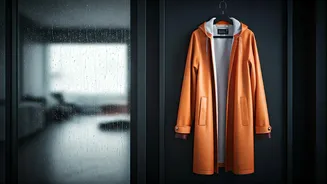
blurring the lines between pure utility and everyday fashion. Brands both international and domestic have recognised that today’s consumer needs a jacket that can withstand a torrential downpour on a bike commute but still look sharp walking into the office. The result is a market flooded with options that are lightweight, breathable, and genuinely stylish, from sleek urban trenches to high-performance trekking shells. This isn't just about staying dry anymore; it's about investing in a versatile piece of outerwear that complements your lifestyle.
Decoding the Tech: Waterproofing vs. Breathability
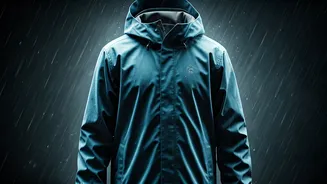
The single most important factor in a raincoat is, of course, its ability to block water. This is measured with a waterproof rating in millimetres (mm). For city commuting and moderate showers, a rating of 5,000mm is adequate. However, for daily commuters, especially on two-wheelers in heavy monsoon regions, a 10,000mm rating is the reliable sweet spot. But waterproofing is only half the story. A jacket that doesn't breathe will leave you soaked in your own sweat, a common complaint with older PVC or rubber coats. Modern jackets use advanced fabrics with microscopic pores that are small enough to block water droplets but large enough to let water vapour (sweat) escape. This breathability is crucial for comfort in India's humid conditions. Also, look for jackets with "fully taped seams," which means every stitch is sealed from the inside to prevent leaks—a critical detail often skipped in cheaper options.
The Rise of Sustainable Rainwear
Perhaps the biggest shift in 2026 is the focus on sustainability. For decades, the chemicals used for waterproofing, known as PFCs (perfluorinated compounds), were an environmental concern. These "forever chemicals" don't break down easily and can accumulate in the environment. In response, a growing number of brands are now offering PFC-free alternatives that use silicon, wax, or plant-based treatments to repel water. Many companies are also using recycled materials, such as polyester made from plastic bottles, to construct the shell of the jacket. Brands like Columbia, Wildcraft, and Rynox, all popular in India, are increasingly incorporating these eco-friendly practices. Choosing a sustainable raincoat means you're not just protecting yourself from the elements, but also making a more responsible choice for the planet.
Finding Your Style: From Commuter to Adventurer
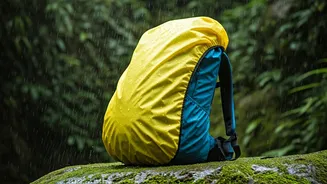
With the technical aspects sorted, you can focus on style. The raincoat is no longer a clumsy afterthought but a core fashion statement. For daily urban wear, consider minimalist parkas or A-line coats that can be layered over office wear. Brands like Rainbow and Venzina are designing specifically for Indian commuters, with features like helmet-compatible hoods and high-visibility colours for safety. For those who enjoy trekking or hiking, brands like Wildcraft, The North Face, and Decathlon offer more rugged options with features like pit zips for ventilation and packable designs. The key is to match the jacket to your primary activity. A heavy-duty mountaineering jacket might be overkill for a short walk to the metro, while a light fashion shell won't survive a monsoon trek in the Western Ghats.