








Beyond 'No Pain, No Gain'
For decades, fitness culture was dominated by an aggressive, all-or-nothing philosophy. The mantra “no pain, no gain” echoed through weight rooms, promoting the idea that progress only came through pushing your body to its absolute limit. This often translated
into a singular focus on lifting heavier, running faster, and enduring punishing workouts. But for a growing number of young people, this mindset feels outdated and unsustainable. There's a palpable shift away from the glorification of soreness and exhaustion towards a more holistic and compassionate approach to physical well-being. This new wave of fitness enthusiasts is questioning whether constant intensity is the only path to strength, leading them to explore practices that build the body up without breaking it down.
The Rise of the 'Healthspan'
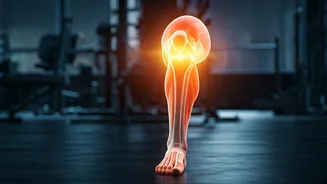
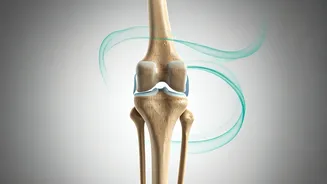
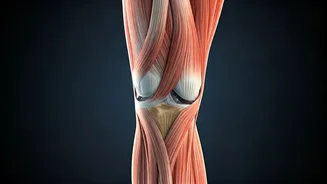
Today’s youth are increasingly focused not just on lifespan (how long you live), but on ‘healthspan’—how long you live well, with full function and without chronic pain. This long-term perspective is reshaping fitness goals. While previous generations might have trained for peak aesthetics or maximum strength in their twenties, the current focus is on building a body that will serve them for a lifetime. Joint mobility is central to this vision. Healthy, mobile joints are the foundation of pain-free movement, from squatting and running to simply getting out of a chair in old age. By prioritising mobility now, young people are making a strategic investment in their future selves, aiming to prevent the chronic aches, pains, and injuries that can limit quality of life later on.
Social Media's New Fitness Stars
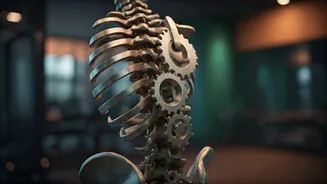
The fitness influencer landscape has evolved dramatically. While chiselled bodybuilders still have their followings, a new type of creator has gained massive traction on platforms like TikTok and Instagram. These are often doctors of physical therapy, kinesiologists, and yoga instructors whose content is visually satisfying and immediately accessible. Scroll through your feed, and you’re more likely to see a mesmerising spinal wave or a deep hip-opening sequence than a 200kg deadlift. This content is not just about aesthetics; it’s educational. Influencers break down the 'why' behind each movement, explaining how a specific stretch can alleviate back pain or improve posture. This has demystified mobility work, transforming it from a boring necessity into an engaging and aspirational practice.
Redefining What 'Strong' Means
The very definition of strength is expanding. It's no longer just about the brute force required to lift a heavy object. The new ideal is functional strength: the ability to control your body through its full, natural range of motion. Can you perform a deep, comfortable squat? Can you lift your arms overhead without your back arching? This is strength that translates directly to everyday life and athletic performance. This perspective frames mobility not as the opposite of strength, but as its essential partner. Without adequate mobility, movement patterns become compensated and inefficient, which limits strength potential and dramatically increases injury risk. True strength, in this modern view, is a balance of power, control, and flexibility.
Working Smarter, Not Just Harder
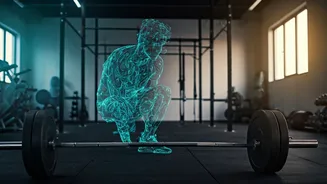
This trend isn't necessarily about abandoning weightlifting altogether. For most, it's about integration. Young fitness enthusiasts are incorporating mobility into their routines in a much more deliberate way. This might look like a 15-minute dynamic warm-up before lifting, dedicated 'mobility days' for active recovery, or performing stretches between sets. It represents a more intelligent and informed approach to training. Instead of just adding more weight to the bar, they are first ensuring their body has the foundational capacity to handle that load safely and effectively. This ‘smarter, not harder’ approach leads to better results over the long run, with fewer setbacks from injury, proving that sometimes, the most impressive feat of strength is knowing when to slow down.