






The Science of Plant-Based Cooling
Before we dive into the list, it helps to understand how plants work their magic. The cooling effect is primarily achieved through a process called evapotranspiration. Plants absorb water through their roots and then release it as cool water vapour through tiny
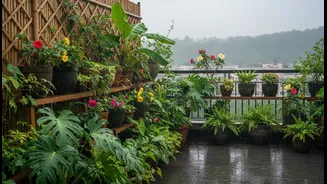
pores in their leaves. This process naturally lowers the ambient temperature. Furthermore, plants with large, dense foliage provide shade, which can dramatically reduce the temperature of surfaces like concrete and tiles by blocking direct sunlight. A well-planned terrace garden can create a microclimate that is several degrees cooler than an exposed one.
Areca Palm: The Tropical Humidifier
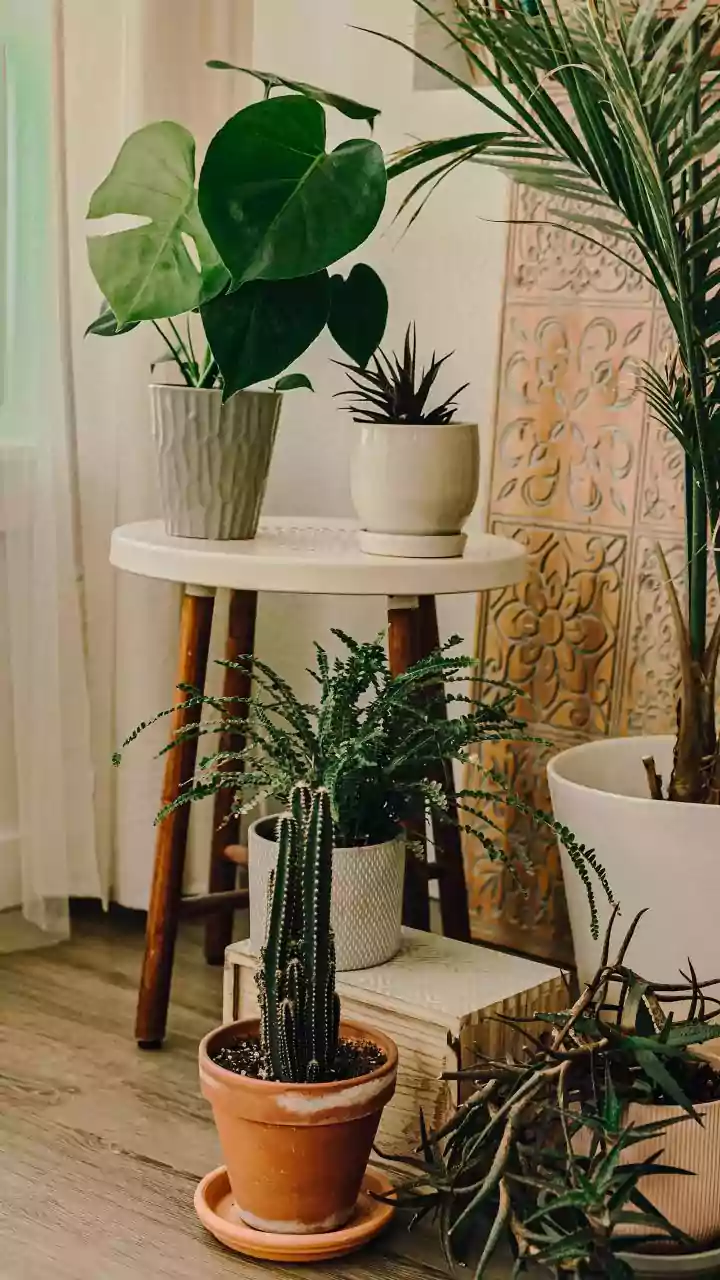
Often hailed as one of the best air-purifying plants, the Areca Palm is also a fantastic natural cooler. Its feathery, arching fronds are not just elegant; they have a high transpiration rate, releasing a significant amount of moisture into the air. According to NASA research, a mature Areca Palm can release nearly a litre of water in 24 hours, making it an effective natural humidifier and cooler. These palms thrive in the bright, indirect light and humid conditions typical of the Indian monsoon, making them a perfect fit for a sheltered terrace. They add a lush, tropical feel while working hard to bring down the temperature.
Ferns: The Lush Moisture Lovers
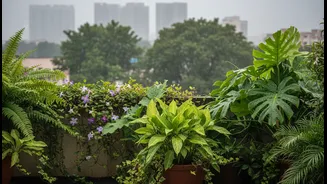
Ferns, especially varieties like the Boston Fern, are champions of humidity. They flourish in the damp, shaded corners of a monsoon garden. Their dense, delicate fronds release plenty of moisture into the surrounding air through transpiration, creating a noticeable cooling effect. Because they prefer shade, they are ideal for placing against walls or under taller plants, where they can help cool surfaces that don’t get direct sun. They require consistently moist soil, a condition easily met during the rainy season, and their vibrant green appearance adds to the psychological feeling of a cool, refreshing space.
Money Plant (Pothos): The Hardy Vine
No Indian home is complete without a Money Plant, and for good reason. This incredibly hardy vine is not only low-maintenance but also an excellent choice for creating a green curtain. When allowed to climb a trellis or trail from hanging baskets, its broad leaves form a dense screen that blocks harsh sunlight. This shading effect prevents your terrace walls and floor from heating up. The Money Plant thrives in the monsoon, growing vigorously with the extra moisture and humidity. It’s adaptable to both soil and water and can be placed strategically to cover sun-facing walls, providing both beauty and a practical cooling benefit.
Jasmine (Mogra): The Fragrant Cooler
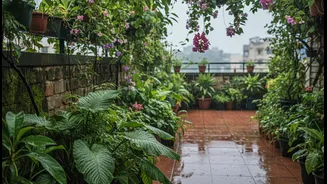
The sweet scent of Mogra on a rainy evening is a classic Indian experience. This beloved flowering vine not only provides sensory delight but also helps cool your terrace. Jasmine thrives in the monsoon's humidity, producing an abundance of fragrant white blossoms. As a climber, it can be trained over a pergola or trellis to create a fragrant, shaded canopy. Its dense foliage contributes to cooling through both shade and transpiration. The combination of its beautiful flowers, intoxicating scent, and cooling properties makes it a multi-sensory addition to any monsoon garden.
Spider Plant: The Arching Air Purifier
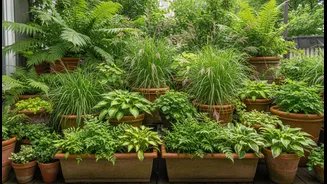
The Spider Plant is known for its air-purifying qualities and distinctive, arching leaves that create a fountain of green. These plants are lightweight and perfect for hanging baskets, where they can help cool the air at a higher level. They are tolerant of various conditions and grow quickly, creating a dense foliage cover that contributes to a cooler environment through transpiration. During the monsoon, they enjoy the increased humidity. Their low-maintenance nature makes them an easy and effective choice for anyone looking to add a layer of cooling greenery to their balcony or terrace.