





The Sunshine Vitamin's Dilemma
Vitamin D is crucial for absorbing calcium, maintaining bone health, and supporting a robust immune system. While our bodies can produce it from sun exposure, factors like urban lifestyles, pollution, and skin pigmentation mean that a huge portion of
the Indian population—up to 90% by some estimates—is deficient. The vitamin comes in two main forms: D2, which is plant-derived, and D3 (cholecalciferol), which is more potent and effective at raising and sustaining vitamin D levels in the body. The catch? For decades, the most common and commercially viable source of Vitamin D3 has been anything but vegan.
The Not-So-Secret Animal Source
Until now, the vast majority of Vitamin D3 supplements and fortified foods have used a form of cholecalciferol derived from lanolin. Lanolin is a waxy substance extracted from sheep's wool. While the process doesn't harm the sheep, the animal origin makes it unacceptable for strict vegans and many vegetarians. This left plant-based consumers with a choice: either opt for the less effective Vitamin D2, commonly found in mushrooms, or forgo supplementation, risking deficiency. It was a significant nutritional gap for a growing demographic committed to an animal-free lifestyle.
A Plant-Based Breakthrough From Lichen
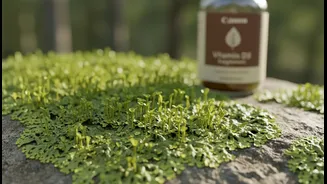
The new vegan-friendly option comes from an unlikely source: lichen. Lichens are composite organisms arising from algae or cyanobacteria living among filaments of fungi in a symbiotic relationship. Certain species of lichen that grow on rocks and trees are one of the only known natural plant sources of Vitamin D3. By harvesting and processing these specific lichens, manufacturers can produce cholecalciferol that is chemically identical to the animal-derived version but is 100% plant-based, sustainable, and suitable for vegans.
Why FSSAI Approval Is a Game-Changer
The recent approval from FSSAI for lichen-derived Vitamin D3 is a pivotal moment for nutrition in India. The FSSAI is the country's primary regulatory body for food safety, and its approval signifies that this new source is safe, standardised, and ready for the mass market. This move clears the way for manufacturers to incorporate vegan D3 not just into dietary supplements but also into everyday fortified foods like plant-based milks, cereals, and juices. This formal green light makes it easier for consumers to find and trust vegan D3 products, taking them from a niche online offering to a mainstream staple.
What This Means for Indian Consumers
This development empowers consumers in a big way. For the first time, vegans and vegetarians in India have access to a highly effective, domestically approved source of Vitamin D3 without compromising their dietary principles. When shopping, consumers can now look for labels that specify “plant-based D3,” “vegan D3,” or “derived from lichen” to ensure they are getting the right product. This approval doesn't just add another product to the shelf; it bridges a critical nutritional gap and makes a vegan lifestyle in India more sustainable and healthier than ever before.