






The New Age of Bus Travel
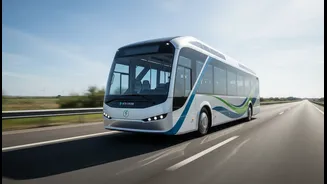
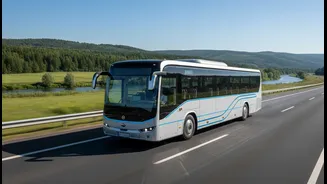
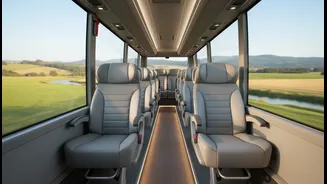
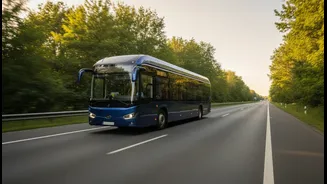
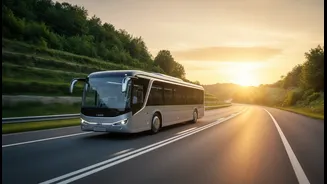
India's intercity travel landscape is rapidly evolving, with sleek, silent electric buses becoming an increasingly common sight on major routes. Operators like NueGo, Fresh Bus, and others are marketing a premium, eco-friendly experience, complete with air-conditioning,
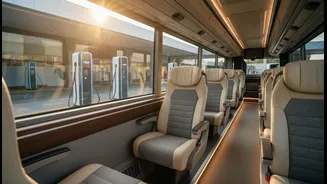
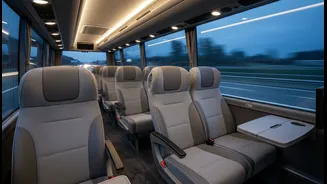
onboard charging points, and a smoother ride. This new wave of transport promises to be a game-changer, appealing to environmentally conscious and tech-savvy passengers. However, while the low-noise cabins and reduced carbon footprint are major draws, the realities of electric vehicle infrastructure in India mean that not all premium services are created equal. The initial ticket price might be attractive, sometimes even lower than diesel counterparts due to government subsidies and lower running costs, but it tells only part of the story. To ensure your journey is as smooth as the ride itself, a deeper dive into the operational details is essential.
Journey Time vs. Travel Time
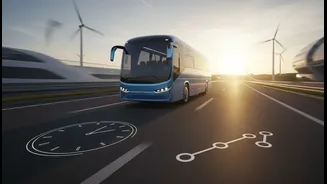
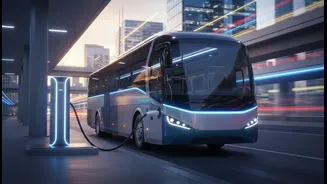
The most significant factor to scrutinise is the total journey time. Operators often advertise the 'travel time' between two points, which can be misleading. For an electric bus, the crucial variable is the charging stop. While a diesel bus might take a 20-minute refreshment break, an e-bus requires a mandatory stop for recharging, which can last much longer. Passengers have reported charging breaks lasting anywhere from 30 minutes to over an hour, sometimes even longer if there are issues at the charging station like a power outage or a queue of buses. Current e-buses on popular routes typically have a range of 250-350 km on a single charge. For a 400-500 km journey, at least one long charging stop is inevitable. Some operators are tackling this with new rapid-charging technology that promises a 15-minute top-up, but this is not yet the standard across the industry. Before booking, try to find out the scheduled duration and frequency of these charging stops. A trip advertised as 8 hours could easily stretch to 10 if the charging break is not efficiently managed.
The Politics of Pit Stops
Beyond charging, the number and location of other stops play a vital role in your overall experience. While some premium services aim for a point-to-point express journey, others may make multiple stops to pick up passengers, similar to traditional bus services. This can add significant time and disrupt the 'premium' feel. The quality of the rest stops is another consideration. Are the charging stations located at well-lit, clean facilities with good food and restroom options? Some premium operators like NueGo are investing in their own branded lounges at key locations, offering Wi-Fi, clean washrooms, and comfortable waiting areas, which can make a long charging break more pleasant. Others may stop at standard highway dhabas. Looking at user reviews for the specific route you plan to travel can provide invaluable insight into the quality and duration of these stops, which can make or break a long journey.
The Fine Print: Cancellation and Refunds
Travel plans can change, and this is where cancellation policies become critically important. A premium service should ideally offer premium flexibility. Policies can vary dramatically between operators and booking platforms. Some may offer a full refund if cancelled a certain number of hours before departure, while others might only provide a credit voucher for future travel or impose steep cancellation fees. For example, some services allow free cancellation up to 4 or 12 hours before the journey, after which charges apply. Others may have a more rigid structure. It is crucial to read the terms and conditions before you book. Also, check the refund process timeline; while some operators promise instant refunds to a wallet, bank transfers can take several business days. If you miss the bus, it's almost certain you will not be eligible for a refund. Understanding these rules beforehand can save you both money and frustration if your plans go awry.