


Prioritise Breathable Fabrics
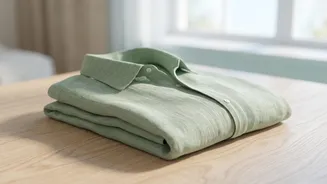
The golden rule of travel comfort starts with fabric. Your skin needs to breathe, especially when you're seated for extended periods. Opt for natural fibres like soft cotton, modal, or merino wool. These materials are excellent at wicking away moisture,
which helps regulate your body temperature and keeps you from feeling sweaty or dirty. Fabrics like linen are fantastic for hot climates but can wrinkle easily. A cotton blend with a little bit of stretch offers a great balance of breathability and a polished look. Try to avoid heavy, non-breathable synthetics, which can trap heat and odours, making for an unpleasant journey.
Master the Art of Layering
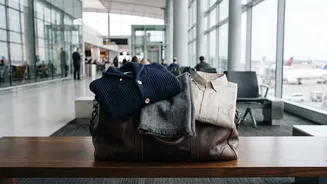
Cabin and coach temperatures are famously unpredictable, swinging from chilly to stuffy. The solution is layering. Start with a comfortable base layer, like a soft t-shirt or camisole. Add a mid-layer like a cardigan, zip-up hoodie, or a light fleece. This allows you to easily add or remove clothes to adapt to your environment without a fuss. A large, lightweight scarf or stole is a particularly versatile accessory; it can provide extra warmth, double as a blanket or pillow, and add a touch of style upon arrival.
Say No to Restrictive Waistbands
Tight waistbands are a traveller's worst enemy. Stiff denim jeans, tight belts, and form-fitting trousers can dig into your waist, restrict movement, and become incredibly uncomfortable after a few hours. Instead, opt for bottoms with stretch and a relaxed fit. Stylish joggers, soft palazzo pants, leggings, or trousers with an elastic or drawstring waist are excellent choices. For a more put-together look that still prioritizes comfort, consider co-ord sets with wide-leg pants or kaftans, which offer a polished appearance without any restriction.
Consider Compression Socks
For long_haul flights or train journeys over eight hours, compression socks are a game_changer, not just a comfort item. Sitting for prolonged periods can cause fluid to pool in your lower legs, leading to swelling and discomfort. In more serious cases, it can increase the risk of deep vein thrombosis (DVT). Compression socks apply gentle pressure to your legs, helping to maintain blood flow and reduce swelling and aches. They might not be the most glamorous travel accessory, but your legs will thank you when you arrive at your destination feeling much fresher.
Choose Your Footwear Wisely
Just like your legs, your feet can swell during long periods of inactivity. The best travel shoes are comfortable, easy to remove, and offer some room for potential swelling. Slip_on shoes like loafers, sturdy slippers, or comfortable sneakers are ideal. They make security checks quicker and allow you to easily slip them off at your seat to get more comfortable. Avoid high heels, brand_new shoes that aren't broken in, or complicated lace_up boots that are a hassle to take on and off.
Embrace Loose-'Fitting Silhouettes
When you're confined to a small space, the last thing you want is clothing that clings or constricts. Loose-'fitting garments allow for better air circulation and freedom of movement, making it easier to relax and even sleep. Think flowy tunics, relaxed-'fit t-'shirts, kaftans, and wide-'leg trousers. This doesn't mean you have to look sloppy; a well-'chosen kaftan or a coordinated set in a soft fabric can look elegant while offering maximum comfort. The goal is to feel at home in your clothes, even when you're thousands of miles from it.