





The Off-Season Is Officially On
What was traditionally considered the travel industry’s lean period is now a bustling mini-high-season. According to data from travel platforms, hotel bookings during the monsoon have surged by over 50% compared to last year. This boom is rewriting the travel calendar,
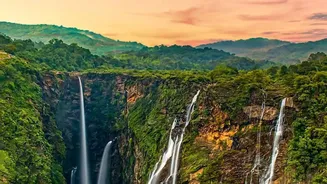
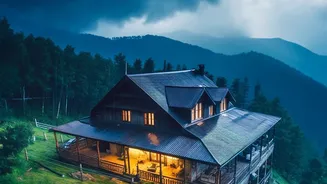
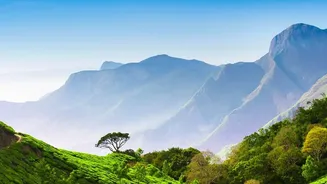
proving that lush landscapes, cooler weather, and dramatic rain-soaked scenery are a powerful draw. Destinations like Kerala, Goa, and hill stations in Uttarakhand and Himachal Pradesh are reporting a sharp rise in occupancy. In Kerala, for instance, bookings in Wayanad and Alleppey have grown by over 145%. This trend signifies that travellers no longer see the monsoon as a barrier but as the main attraction itself, seeking out the unique experiences it offers.
Planning Ahead to Save More
A key driver behind the early bookings is simple economics. Travellers have become more strategic, realising that planning ahead can lead to significant savings. Reports indicate that booking a monsoon trip 30 to 60 days in advance can cut hotel costs by as much as 20-40%. With flight and hotel prices becoming increasingly volatile, Indian travellers are adopting a more calculated approach. Many are now planning their trips months ahead, a behaviour confirmed by reports showing a significant portion of travellers start planning their annual holidays as early as January. This proactive planning helps secure not only better prices but also availability in high-demand destinations, especially for trips coinciding with long weekends like those around Independence Day.
From Spontaneity to Structured Getaways
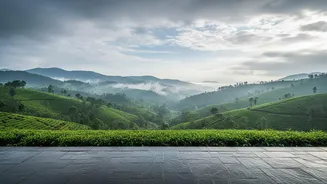
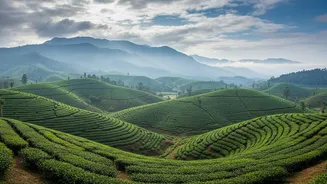
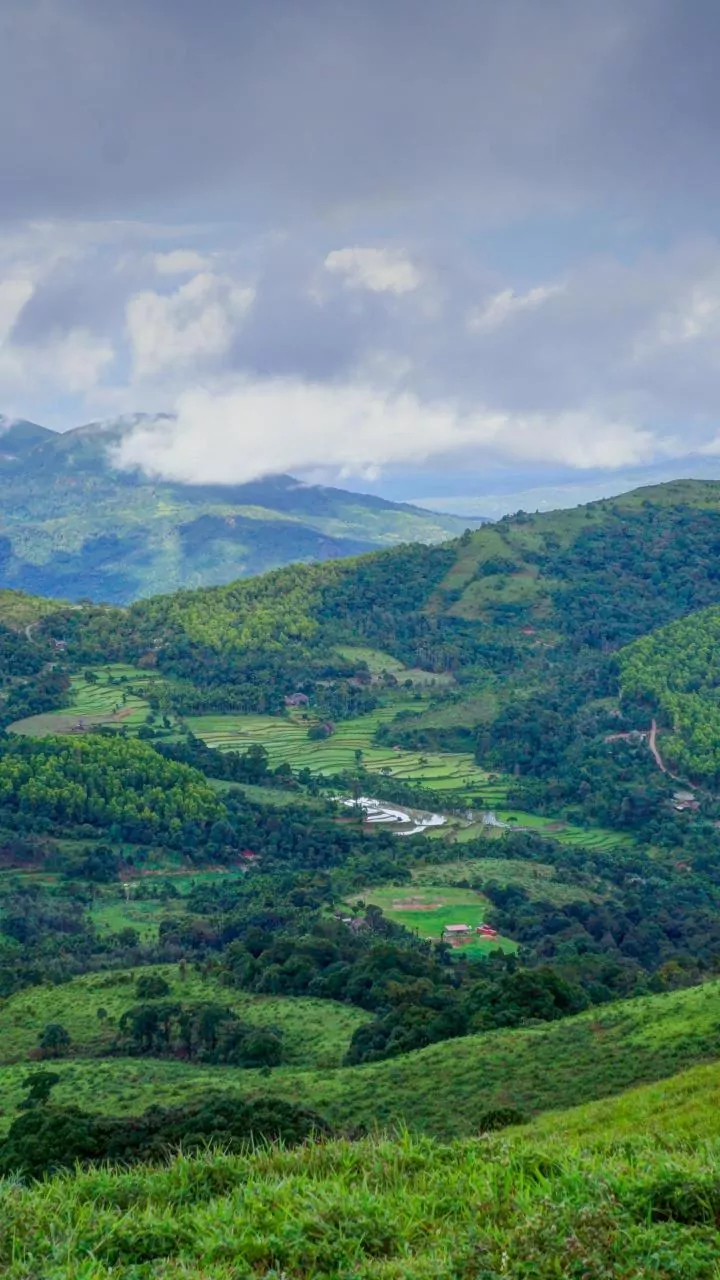
The modern Indian traveller is increasingly prioritising well-planned, experience-led vacations over spontaneous dashes. This is a notable behavioural shift, where the focus is on securing a desired experience—be it a wellness retreat in Rishikesh, a cultural tour of Udaipur, or enjoying the rain-washed coffee plantations of Coorg. Search data reveals a massive spike in interest for destinations like Rishikesh and Mussoorie, with searches growing by over 160% year-on-year. This indicates that people are not just booking a trip; they are curating a specific kind of break. This move towards intentional travel means people are less willing to leave things to chance, preferring the certainty that comes with an early reservation.
The Rise of Niche Monsoon Destinations
While classic monsoon spots like Goa and Lonavala remain popular, travellers are increasingly looking towards more offbeat locations. The Northeast has emerged as a breakout star this season, with Nagaland and Arunachal Pradesh seeing a 62% year-on-year rise in flight bookings. The lush, green landscapes and powerful waterfalls are a huge draw for younger travellers, particularly millennials and Gen Z, who are seeking nature-based escapes. This willingness to explore new regions during the rains shows a growing confidence among travellers and a desire for unique content for their social media feeds, further fuelling the trend. The industry is responding, with tour operators now curating specific monsoon packages that cater to these new preferences.
A Dilemma of Flexibility vs. Cost
Despite the benefits, booking early for a monsoon trip presents a classic dilemma: cost versus flexibility. The monsoon's unpredictability, with risks of landslides or flight cancellations due to heavy rain, makes committing to non-refundable bookings a gamble. In response, savvy travellers and the travel industry are adapting. Many are now opting for flexible booking options that allow for last-minute changes, even if it comes at a slight premium. This hybrid approach—planning early but booking flexible—provides the best of both worlds: securing a spot in a popular destination while retaining the ability to adapt to a sudden change in weather. This strategic balancing act is becoming the new norm for smart monsoon travel.