



Some streets are merely a way to get from A to B, while others are destinations in themselves. They are the arteries of a city, pulsing with history, culture, and life. Here is a practical guide to ten fascinating streets worth the journey.
Lombard Street, San Francisco, USA
Known as the
'crookedest street in the world', this one-block section of Lombard Street features eight sharp hairpin turns. The design was suggested in 1922 to reduce the hill's steep 27% grade, making it safer for cars. Today, it’s a major tourist attraction, famed for its tight curves and beautiful floral displays. A Practical Guide: You can drive down the winding brick road or walk the staircases on either side for great photo opportunities from the bottom. For a classic San Francisco experience, take the Powell-Hyde cable car, which stops at the top. Visit in the spring to see the hydrangeas in full bloom.
The Royal Mile, Edinburgh, Scotland
Connecting Edinburgh Castle with the Palace of Holyroodhouse, the Royal Mile is the historic heart of Scotland's capital. It's actually a succession of streets, including Castlehill and High Street, forming a path just over a mile long. It's lined with centuries-old buildings, hidden alleyways called 'closes', and some of the city's top sights. A Practical Guide: Start at the castle for panoramic city views, then walk downhill. Along the way, you can visit St. Giles' Cathedral, explore underground streets at The Real Mary King's Close, or browse shops selling whisky and tartan. The street is especially lively during the August festivals.
Shibuya Crossing, Tokyo, Japan
While technically an intersection, Shibuya Crossing functions as the world's most famous pedestrian street. When the traffic lights turn red, they stop all vehicles simultaneously, allowing a flood of up to 3,000 people to surge into the intersection from all directions in an 'organised chaos'. Surrounded by giant video screens and neon signs, it’s a symbol of modern Tokyo. A Practical Guide: To experience it, simply join the crowd. For a great view from above, head to the second floor of the Starbucks in the Tsutaya building or the free viewing area in the Shibuya Mark City walkway. The spectacle is most impressive during evening rush hour or on Friday and Saturday nights.
Caminito, Buenos Aires, Argentina
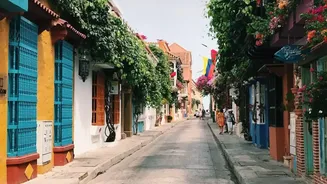
Located in the La Boca neighbourhood, Caminito—or 'little path'—is a vibrant street museum. It's famous for its brightly painted 'conventillos' (tenement houses) made of corrugated metal, a legacy of the area's immigrant past. The street is filled with artists, craft stalls, and tango dancers performing on the cobblestones. A Practical Guide: The area is best visited during the day. Aim for the balcony at the corner of Del Valle Iberlucea and Magallanes for the most iconic photo. Combine your visit with a trip to the nearby La Bombonera football stadium or the modern art museum, Fundación Proa.
The Blue Streets of Chefchaouen, Morocco
The entire old town, or medina, of Chefchaouen is a maze of streets washed in countless shades of blue. One theory is that Jewish refugees introduced the colour in the 15th century as a symbol of the sky and heaven. The result is a surreal, calming atmosphere unique in Morocco. A Practical Guide: The best time for photos is early in the morning before 9 AM, when the light is soft and the day-trippers haven't arrived. The medina is small and safe to explore, so get lost in the winding alleys. For a panoramic view of the blue city against the Rif Mountains, hike up to the Spanish Mosque at sunset.
The Dark Hedges, County Antrim, Northern Ireland
This enchanting avenue of beech trees was planted by the Stuart family in the 18th century to impress visitors approaching their home, Gracehill House. The intertwining branches have created a natural tunnel that has become world-famous, especially after being featured as the Kingsroad in 'Game of Thrones'. A Practical Guide: To protect the trees' roots, vehicles are banned from the road. Park for free at The Hedges Hotel and take the short walk. Early morning is the best time for atmospheric photos with fewer crowds, especially in autumn when the leaves turn golden.
Haji Lane, Singapore
Once a collection of pre-war shophouses, this narrow lane in the Kampong Glam district is now Singapore's indie heartland. It's a vibrant mix of independent fashion boutiques, quirky cafes, and some of the city's most impressive street art, with huge murals covering entire buildings. A Practical Guide: Most shops open around noon, but visit in the morning for the best photos of the murals without the crowds. The lane is easily walkable from the Bugis MRT station. After browsing the shops, explore the surrounding area, including the historic Sultan Mosque just a short walk away.
Chandni Chowk, Delhi, India
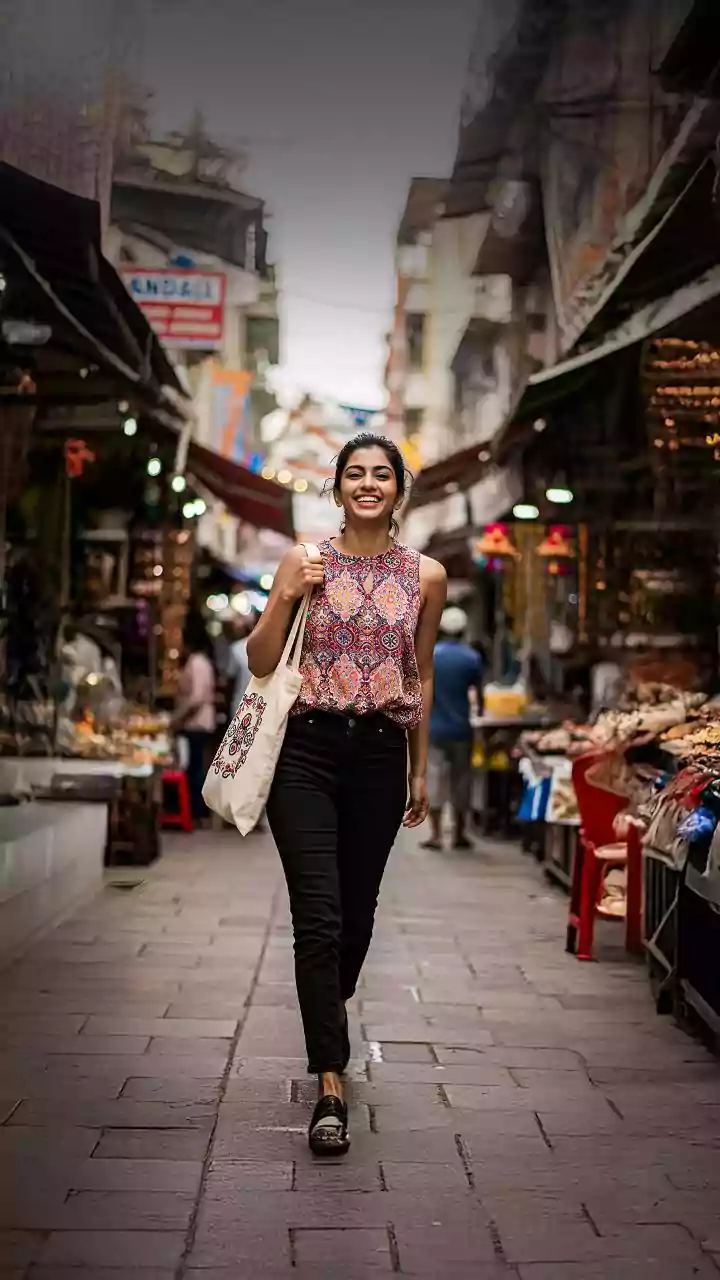
One of Old Delhi's oldest and busiest markets, Chandni Chowk was built in the 17th century by Mughal Emperor Shah Jahan. Its name means 'Moonlight Square', a reference to a canal that once ran down its centre, reflecting the moon. Today, it’s a chaotic, vibrant hub of commerce, food, and culture. A Practical Guide: Navigate the chaos by exploring its specialised lanes, or 'gallis'. Head to Dariba Kalan for silver jewellery and Paranthe Wali Gali for its famous fried flatbreads. The market is a sensory overload, so embrace the energy. It's located near the iconic Red Fort and Jama Masjid, making it easy to combine visits.
Via Appia Antica, Rome, Italy
Known as the Appian Way, this is one of ancient Rome's most important roads. Construction began in 312 BC to connect the city with Capua. Lined with ancient tombs, catacombs, and Roman ruins, walking this street feels like stepping back in time. The original cobblestones are still visible in many sections. A Practical Guide: On Sundays, a large section of the road is closed to traffic, making it perfect for walking or cycling. You can rent bikes near the entrance of the park. Key sights along the way include the Catacombs of Callixtus and the tomb of Cecilia Metella. Wear comfortable shoes, as the ancient stones are uneven.
Acorn Street, Boston, USA
Often called the most photographed street in the United States, Acorn Street in the Beacon Hill neighbourhood is a throwback to colonial Boston. Its charm lies in its remarkably preserved 19th-century aesthetic: a narrow lane paved with genuine cobblestones, flanked by red brick row houses and lit by gas lamps. A Practical Guide: This is a private, residential street, so be respectful of the residents by staying off doorsteps. The best time for photos is early on a weekday morning or on an overcast day to avoid harsh shadows and crowds. The street is quite steep and the cobblestones are uneven, so watch your step.