




Sabudana Khichdi: The Fasting Staple
No Sawan fast feels complete without a bowl of fluffy Sabudana Khichdi. Made from tapioca pearls, this dish is a cornerstone of 'vrat' or fasting cuisine across India, especially in Maharashtra. The pearls are soaked and then tossed with boiled potatoes,
roasted peanuts, and mild spices like cumin and green chillies, using rock salt (sendha namak) instead of regular salt. It's light, easy to digest, and provides a quick burst of energy, making it perfect for days of abstinence. The tradition aligns with Ayurvedic principles that recommend lighter meals during the monsoon when digestion is considered weaker.
Kuttu ki Puri: The Buckwheat Delight
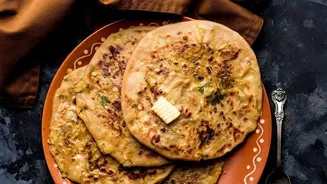
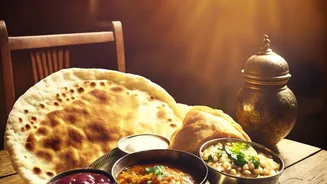
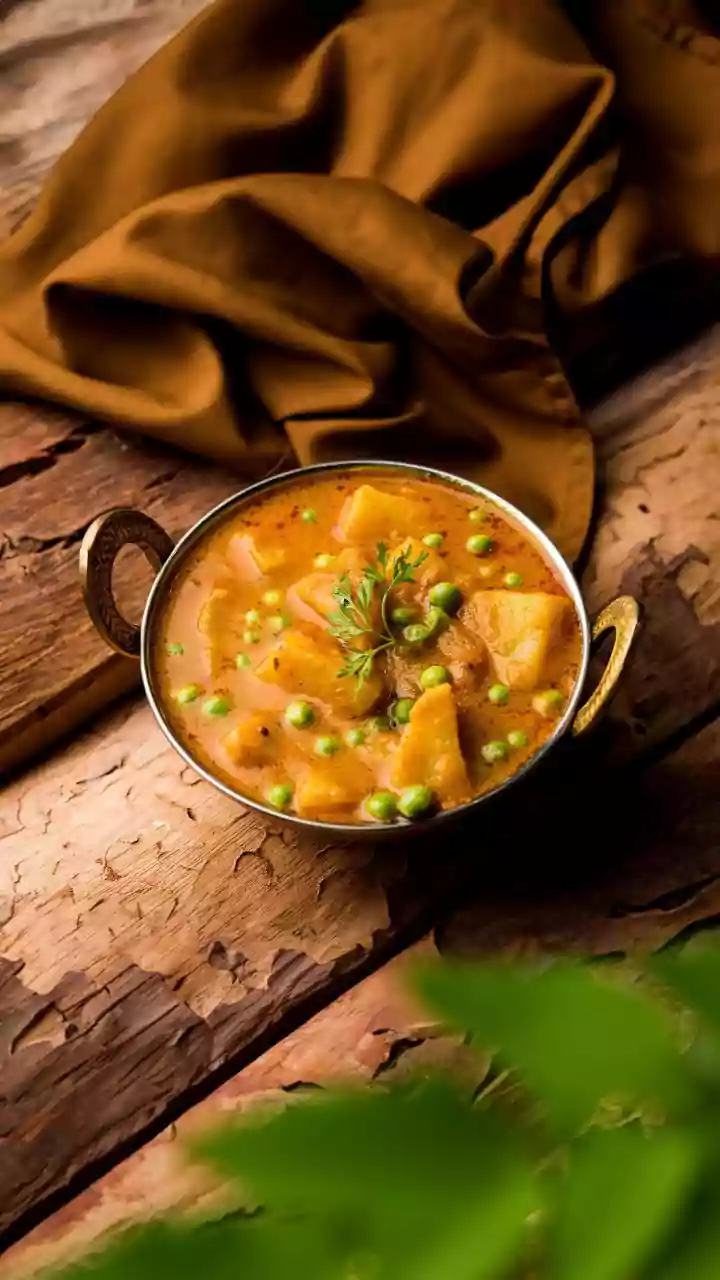
During Sawan, regular grains like wheat are often avoided. Enter Kuttu ka Atta, or buckwheat flour, a 'vrat'-friendly alternative popular in Uttar Pradesh and other parts of North India. This flour is kneaded, sometimes with mashed potatoes, and fried into crisp, earthy puris. These are typically served with a simple, no-onion, no-garlic potato curry called 'vrat wale aloo'. The combination is not just about following rules; it's a hearty, satisfying meal that turns a day of fasting into a feast.
Ghevar: The Monsoon-Exclusive Sweet
As soon as the monsoon clouds gather, sweet shops across North India, particularly in Rajasthan, begin to display glistening discs of Ghevar. This honeycomb-like sweet, made from flour and ghee and soaked in sugar syrup, is intrinsically linked to the Sawan month and its festivals like Teej and Raksha Bandhan. According to Ayurveda, Ghevar's ingredients help calm 'vata' and 'pitta' doshas, which are believed to be aggravated during the rainy season. Its appearance signals the start of the festive season, often gifted to married daughters as a symbol of love and blessings.
Malpua: The Sweet Rain-Soaked Pancake
Malpua, a sweet, syrup-soaked pancake, is a beloved dessert enjoyed across India, especially during festivals and the rainy season. While popular during Holi and Diwali, it holds a special place in Sawan in regions like Punjab and Bihar. Often made with flour, milk, and sometimes fruits like banana, these small pancakes are fried in ghee until their edges are crisp and then dunked in fragrant sugar syrup. Enjoyed warm, sometimes with a topping of rabri (thickened sweet milk), Malpua feels like the perfect indulgent comfort food on a cool, rainy day.
Makhane ki Kheer: The Divine Pudding
Makhana, or fox nuts, are a nutritional powerhouse and another popular fasting ingredient. During Sawan, they are often transformed into a creamy, delicious kheer (pudding). Roasted makhana is simmered in milk until it softens, and the milk thickens, sweetened, and flavoured with cardamom and saffron. Rich in calcium and protein, Makhana Kheer is a comforting and nourishing dessert that provides sustained energy during a fast, making it a favoured dish in places like Bihar, where makhana is widely cultivated.
Arbi ke Patrode: A Seasonal Savoury
The monsoon brings an abundance of colocasia plants (arbi), and their large leaves are used to make a seasonal delicacy known as Patrode or Patra. While leafy greens are generally avoided during Sawan due to a higher risk of contamination, colocasia leaves are an exception when cooked properly. A spiced paste, often made from gram flour or fasting flours, is spread on the leaves, which are then rolled, steamed, and finally fried or tempered. It’s a dish that perfectly captures the essence of monsoon cooking—using fresh, seasonal produce to create something uniquely delicious.
Samak Rice Khichdi: The Millet Alternative
For those who miss rice during their fast, Samak ke Chawal, or barnyard millet, is the perfect substitute. It's not a true grain but a type of millet, making it permissible for most Sawan fasts. Cooked much like a regular khichdi, it is often prepared with potatoes, peanuts, and cumin, creating a light yet filling meal. This dish is especially popular in regions like Madhya Pradesh and provides a warm, comforting option that is gentle on the stomach, aligning with the Sawan principle of eating simple, easily digestible foods.