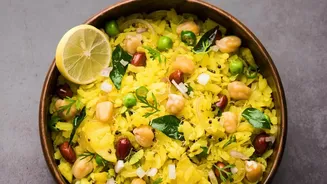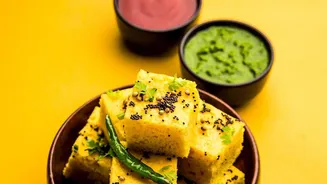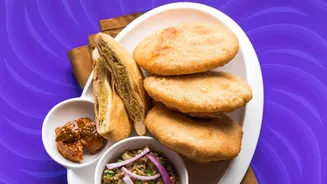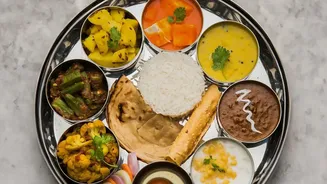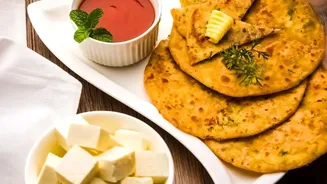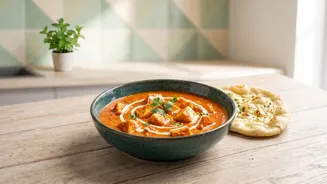





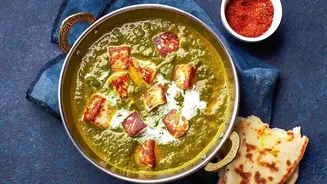

The age-old question, "What to cook today?" is getting a high-tech answer. In kitchens across India, home cooks are moving beyond traditional cookbooks and using artificial intelligence to create meals that are uniquely their own.
Your New Digital Sous-Chef
Imagine a kitchen assistant
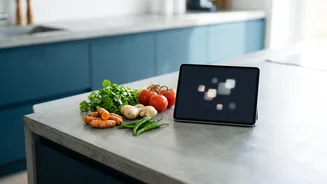
that knows exactly what’s in your fridge, understands your family’s preference for spicy Chettinad flavours over mild Bengali ones, and can invent a new dish on the spot. This is the new reality for a growing number of Indian home cooks. AI-powered tools, ranging from sophisticated apps like Slurrp and Kitchen Saathi to general-purpose chatbots, are becoming the modern cook's 'saathi' or companion. These tools can generate recipes from a simple list of ingredients, a photo of your leftovers, or a vague craving. They act as a digital sous-chef, streamlining the often-laborious process of meal planning and prep.
Hyper-Personalisation on Your Plate
The true revolution isn't just about finding recipes; it's about making them deeply personal. AI excels at customisation, a feature particularly suited to the diversity of Indian cuisine and dietary needs. Tools like CookMithra allow users to specify region (e.g., Kerala style, Hyderabadi), dietary rules (e.g., Jain, vegan), spice level, and even the type of cooking oil available. This level of detail moves beyond generic recipes. An AI can be asked to create a high-protein vegetarian dinner without onions, suggest a low-carb version of a traditionally carb-heavy dish, or even generate meal plans tailored to health conditions like diabetes. This ensures that the suggestions are not just creative, but genuinely useful and aligned with a household's specific needs.
Curing Kitchen Fatigue and Reducing Waste
One of the most significant benefits reported by users is the end of 'decision fatigue'. The mental load of planning breakfast, lunch, and dinner every day is a real challenge for many. AI assistants can generate entire weekly meal plans in seconds, complete with shopping lists. This newfound efficiency is coupled with a powerful sustainability benefit: reducing food waste. By suggesting recipes based on the ingredients you already have—that half a cabbage, the last bit of paneer, and a handful of tomatoes—these tools help ensure that food gets eaten instead of thrown away. Some apps allow users to simply snap a photo of their pantry or fridge contents to get instant meal ideas, turning potential waste into a delicious opportunity.
A Playground for Creativity and Fusion
Beyond daily utility, AI is also becoming a playground for culinary creativity. It empowers home cooks to experiment with confidence. Curious about what a fusion of Goan and Kashmiri cuisine might taste like? An AI can generate a recipe for that. Google's 'Food Mood India Edition' is a playful example, designed specifically to create unique fusion dishes by combining the culinary styles of two different Indian states. For experienced cooks, these tools serve as a brainstorming partner, helping to analyse new ideas or put a modern spin on a traditional family recipe. It’s not about replacing generational knowledge but augmenting it with new possibilities.
The Human Touch Still Matters
Despite their growing sophistication, AI recipe generators are not without their limitations. They are tools for inspiration and guidance, not infallible chefs. Culinary experts note that while AI is great for generating ideas, it can sometimes produce incorrect information or miss the subtle nuances of regional Indian cooking—the 'andaaz' (estimation) and sensory wisdom passed down through generations. An AI can provide a recipe for a perfect biryani, but it can't replicate the taste that comes from a grandmother's experienced hand. The most successful users are those who see AI as a collaborator, using its suggestions as a starting point and then applying their own experience and taste to perfect the final dish.