



The Real Power in the Peel
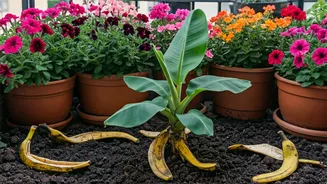
The main reason gardeners get excited about banana peels is their high potassium content. Potassium is a vital macronutrient for plants, playing a crucial role in everything from water and nutrient transport to flowering and fruiting. Think of it as the regulator
of the plant's internal systems. Stronger stems, more vibrant flowers, and better overall resilience can all be linked to adequate potassium. Beyond potassium, banana peels also offer smaller amounts of other beneficial nutrients like calcium, which aids in cell wall formation, and magnesium, a key component of chlorophyll. However, it's crucial to understand what banana peels are *not*: a complete fertiliser. They contain very little nitrogen, the nutrient responsible for lush, green leafy growth. So, while banana peel powder is an excellent supplement, it cannot replace a balanced, all-purpose plant food.
How to Make Banana Peel Powder
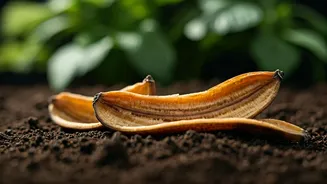
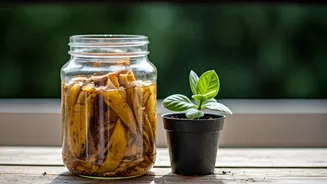
Creating your own nutrient-rich powder is simple and a fantastic way to reduce kitchen waste. Never use fresh peels directly on your soil, as they can attract pests like fungus gnats and fruit flies, and may grow mouldy as they decompose. 1. **Collect and Prepare:** Start collecting your banana peels. You can store them in the freezer until you have a good batch. When ready, chop the peels into small, 1-inch pieces. The smaller the pieces, the faster they will dry. 2. **Dry Them Out:** You have two main options. For the oven method, spread the pieces in a single layer on a baking sheet and bake at the lowest possible temperature (around 60-80°C) for several hours until they are dark, brittle, and completely dry. Alternatively, you can air-dry them by placing them on a mesh screen in a well-ventilated, sunny spot for several days. 3. **Grind into Powder:** Once the peels are shatter-dry, it's time to grind them. A coffee grinder, spice grinder, or a powerful blender will work perfectly. Blitz them until you have a fine, consistent powder. Store your finished banana peel powder in an airtight container.
Using Your Homemade Plant Booster
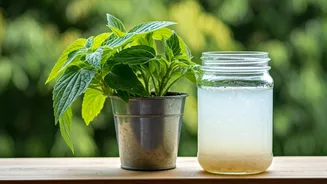
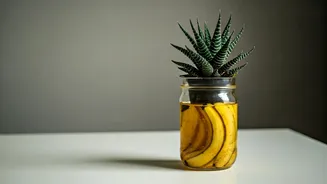
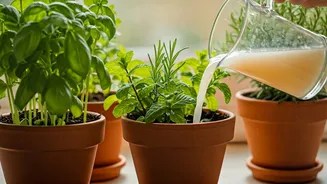
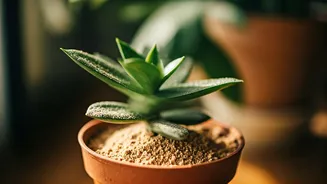
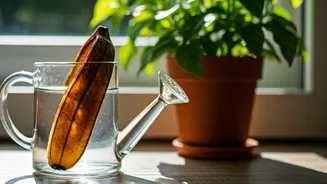
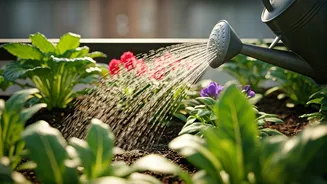
Now for the fun part: feeding your plants. Because this is a gentle, slow-release supplement, it's difficult to overdo it. Here are a few effective ways to use your powder: * **Top Dressing:** Simply sprinkle one or two teaspoons of the powder onto the topsoil of your potted plants and gently mix it into the first inch of soil. Water as usual. The nutrients will slowly release into the soil every time you water. * **Soil Amendment:** When you're repotting a plant, mix a tablespoon or two of banana peel powder directly into your potting mix. This gives the plant's roots direct access to the nutrients as they grow into their new home. * **Fertiliser 'Tea':** Add a tablespoon of powder to a litre of water, shake well, and let it sit for a few hours or overnight. Use this nutrient-infused water to feed your plants during your regular watering schedule.
What About Pest Protection?
The claim that banana peels offer “protection” is common in gardening circles. Many gardeners report that burying small pieces of peel near the base of plants, particularly roses, can help deter aphids. The theory is that the pests dislike the scent or the gases released as the peel breaks down. While this is a widely shared piece of anecdotal advice, there is little scientific evidence to prove its effectiveness as a reliable pest control method. Using the powder form around the base of the plant might offer a similar, albeit weaker, deterrent effect. It's best to view this as a potential minor benefit rather than a primary form of pest management. For serious infestations, you should always turn to proven methods like insecticidal soap or neem oil.