




Why Rain Can Be a Silent Assassin
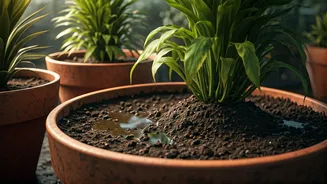
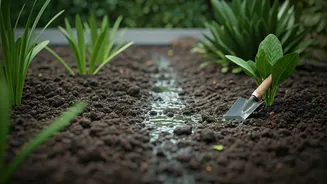
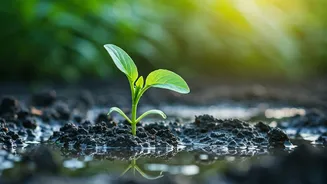
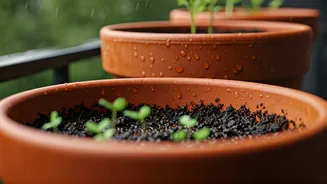
We often assume that all plants love rain. While water is essential for life, the problem isn't the rain itself but the water that doesn't drain away. When soil becomes saturated, a condition known as waterlogging, it's like trying to breathe underwater
for your plant’s roots. Plant roots need oxygen from air pockets in the soil to function, absorb nutrients, and grow. When these pockets are filled with water for an extended period, the roots effectively suffocate. This oxygen-deprived, damp environment becomes the perfect breeding ground for fungal and bacterial diseases, most notably root rot. These pathogens attack the weakened roots, turning them black, mushy, and unable to support the plant. Ironically, a waterlogged plant often looks like a thirsty plant, wilting because its damaged roots can no longer absorb water, leading many well-intentioned gardeners to water it even more.
Spotting the Danger Signs Early
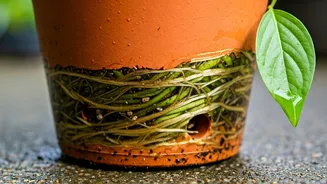
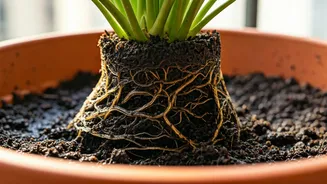
Your plants will give you clues that they are in distress long before it's too late. Being able to recognise these signs is the first step in saving them. Keep an eye out for: * **Yellowing Leaves (Chlorosis):** This often starts with the lower, older leaves. They turn a pale yellow and may drop off. This happens because the stressed roots can't absorb essential nutrients like nitrogen. * **Wilting Despite Wet Soil:** This is the most confusing sign. If the plant is drooping and looks thirsty but the soil is damp or soaking wet to the touch, you are likely dealing with root suffocation or rot. * **Stunted Growth:** You might notice that your plant has stopped producing new leaves or flowers. Its growth seems to have come to a complete halt. * **A Musty or Foul Odour:** Healthy soil smells earthy. If you notice a sour or rotting smell coming from the pot, it’s a strong indicator that root rot has set in. * **Brown or Black, Mushy Roots:** If you suspect a problem, you can gently slide the plant out of its pot to inspect the roots. Healthy roots are typically firm and white or light-coloured. Rotted roots will be dark, soft, and may fall apart when touched.
Your Monsoon-Proofing Checklist
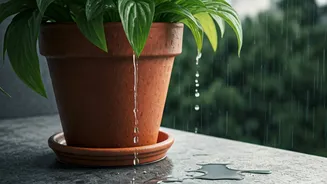
Prevention is always better than cure. Before the heavy rains set in, or even during a dry spell, take these proactive steps to safeguard your green companions: 1. **Check Your Pots:** Ensure every pot has adequate drainage holes at the bottom. If they are blocked, clear them out. If a pot has no holes, it's a death trap during the monsoon and you must either drill some or repot the plant. 2. **Improve Your Soil Mix:** Heavy, clay-like soil retains too much water. Lighten your potting mix by adding materials that improve aeration and drainage, such as perlite, coarse sand, or coco peat (coir). A good rule of thumb is a mix of one part soil, one part compost, and one part drainage material. 3. **Elevate Your Plants:** Don't let your pots sit in puddles of water. Place them on pot stands, bricks, or 'pot feet'. This small lift allows excess water to drain freely and air to circulate underneath the pot, helping the soil dry out faster. 4. **Adjust Your Watering Schedule:** The golden rule of watering—'check before you pour'—is even more critical during the monsoon. The air is humid and the soil dries slowly. Stick your finger an inch or two into the soil. If it feels damp, hold off on watering. 5. **Provide Shelter:** For particularly sensitive or precious plants, consider moving them to a covered balcony, patio, or under an eave where they are protected from the heaviest downpours.
Emergency Rescue for a Drowning Plant
If you find a plant that's already suffering from waterlogging, don't despair. Quick action can often save it. First, move the plant to a sheltered spot away from any more rain. If the case is severe, you may need to perform a 'plant surgery'. Gently remove the entire plant from its pot and lay it on some newspaper. Carefully examine the root ball. Using a clean, sharp pair of scissors or pruners, trim away any roots that are black, brown, and mushy. Be ruthless; leaving rotted roots will only allow the decay to spread. If you have to remove a lot of roots, prune a corresponding amount of foliage from the top of the plant to reduce the stress on the remaining root system. Allow the healthy root ball to air dry for a few hours (but not in direct sun) before repotting it into a clean pot with fresh, well-draining soil. Water it lightly and wait for signs of recovery before resuming a normal watering routine.