



Why the Monsoon Changes Everything
During India's hot summers, daily watering can feel like a life-saving ritual for your potted companions. But when the rains arrive, the entire environment shifts. The air becomes heavy with humidity, sunlight is often scarce, and evaporation from the soil
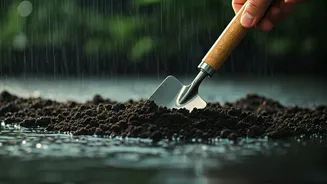
slows down dramatically. This combination means that the soil stays wet for much longer than usual. Continuing with a summer watering schedule is a recipe for disaster, as the constant dampness can suffocate the roots, preventing them from absorbing oxygen and nutrients. This condition, known as waterlogging, is the number one enemy of container plants during the rainy season.
Ditch the Schedule, Trust Your Finger
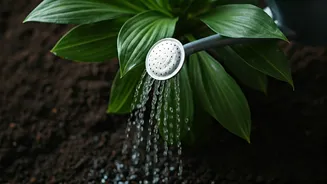
The single most important shift to make during the monsoon is to stop watering on a fixed schedule. Instead of watering every day or every other day, check the soil first. The classic 'finger test' is your most reliable tool. Poke your finger about one to two inches into the soil. If it feels damp, your plant does not need water. Even if the top layer looks dry, the soil beneath can still be saturated. Only when your finger comes out dry should you consider watering again. For many indoor plants, this might mean watering only once every week or even less, depending on the humidity inside your home.
Good Drainage is Non-Negotiable
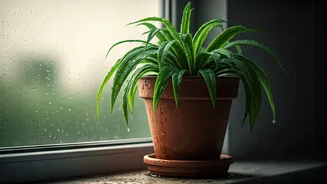
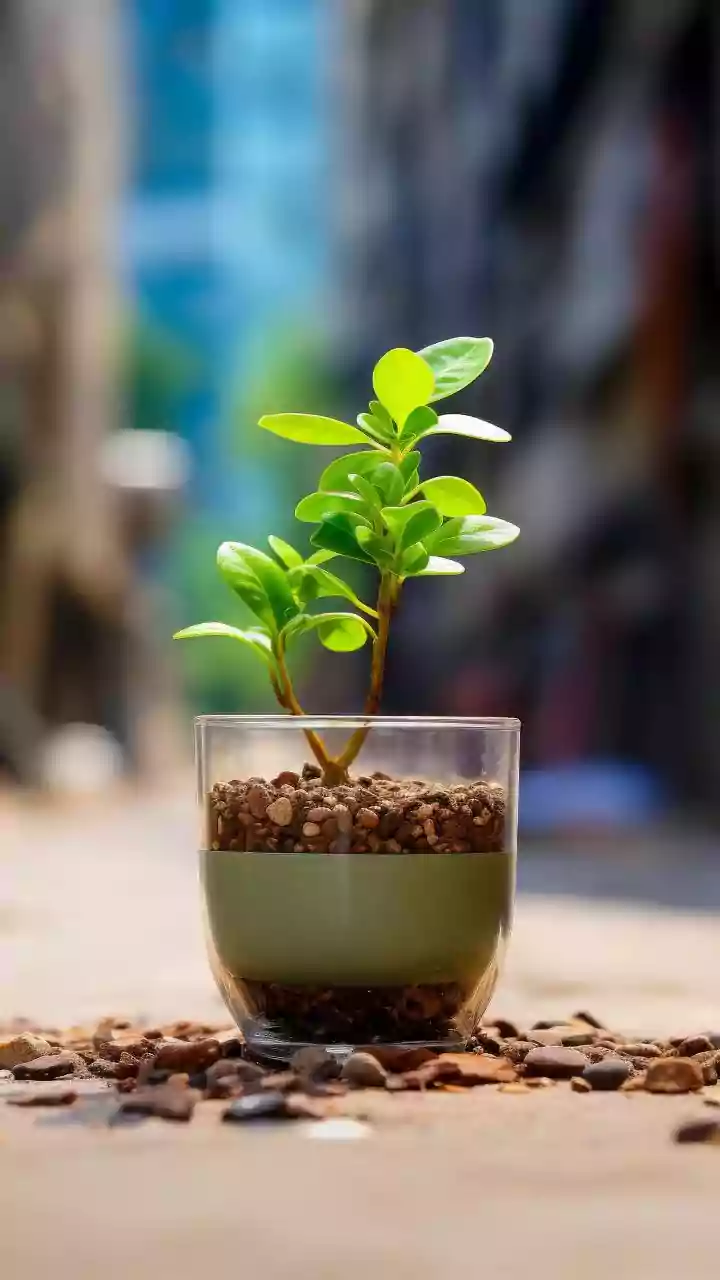
Proper drainage is crucial for plant survival during the monsoon. Before the season truly sets in, take time to inspect your pots. Ensure that the drainage holes at the bottom are clear and not blocked by compacted soil or roots. If your pots are sitting directly on the floor or in deep saucers, they can easily become waterlogged. Elevating them on bricks or pot feet allows excess water to escape freely and improves air circulation around the base. If you're repotting, consider adding materials like sand or perlite to your potting mix to make it more porous and less likely to retain excessive moisture.
Know the Signs of Overwatering
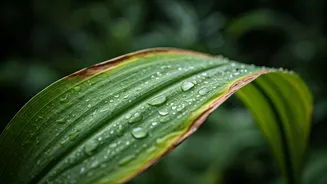
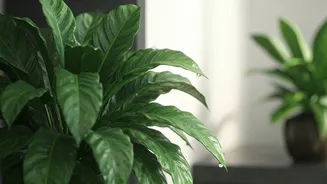
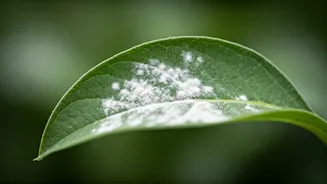
Your plants will tell you when they are unhappy. Unfortunately, the signs of overwatering can sometimes look like the signs of underwatering, which can confuse gardeners into watering even more. A key difference is how the leaves feel. In an overwatered plant, wilting or yellowing leaves will feel soft and limp, not dry and crispy. Other telltale signs include yellowing leaves starting from the bottom of the plant, a mushy stem base, and a musty or rotten smell coming from the soil. You might also see mould on the soil surface or an increase in pests like fungus gnats, which thrive in damp conditions.
Special Care for Different Plants
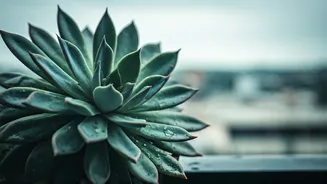
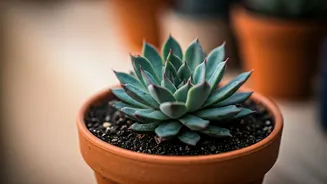
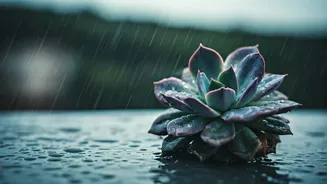
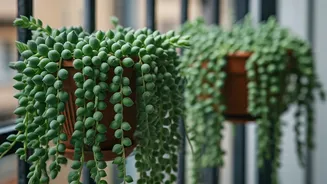
Not all plants have the same needs. Outdoor plants on a balcony exposed to direct rain might not need any supplemental watering at all. However, plants placed under eaves or deep on a covered porch may receive no rainwater and will still rely on you, albeit less frequently. Succulents and cacti, which store water in their leaves, are especially prone to rot and need very little water during this humid season. Meanwhile, fast-growing flowering plants and vegetables may still have relatively high water demands but will benefit from well-draining soil to handle the deluges. Observing each plant individually is key to getting it right.