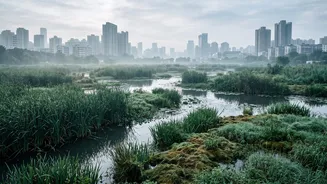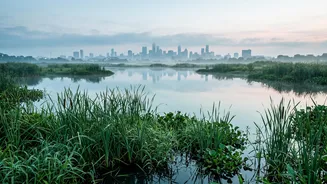



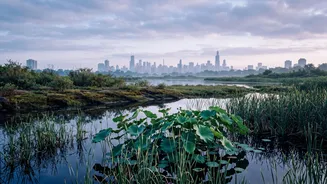
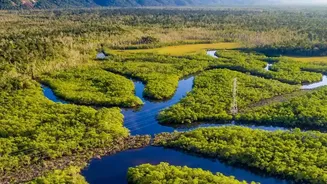

Amid the relentless expansion of our cities, patches of blue and green are fighting a silent battle. Urban wetlands, often mistaken for wastelands, are in fact vibrant ecosystems that serve as crucial sanctuaries for biodiversity.
The City’s Kidneys
Often called the ‘kidneys
of the landscape’, urban wetlands are areas within or near cities, like marshes, lakes, and ponds, that are permanently or seasonally saturated with water. They act as nature’s own water treatment plants, filtering pollutants and waste from urban runoff. A prime example is the East Kolkata Wetlands, a Ramsar site that naturally treats about 900 million litres of the city’s sewage daily. This massive, 12,500-hectare ecosystem saves the government the immense cost of building and maintaining a wastewater treatment facility, while the recycled water supports agriculture and fisheries, providing livelihoods for around 1.5 lakh people.
Islands of Biodiversity
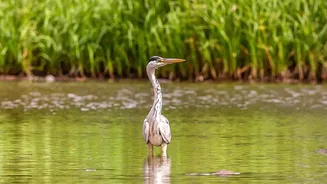
In landscapes dominated by concrete and asphalt, wetlands are bustling hotspots of life. They provide essential habitats for a wide variety of species, from microbes and insects to amphibians, reptiles, and mammals. These areas are particularly vital for birds, serving as crucial stopover points for migratory species on long journeys. Chennai’s Pallikaranai Marsh, another wetland of international importance, is a testament to this, supporting over 330 species of flora and fauna. It is home to around 115 species of birds, including the glossy ibis and grey-headed lapwings, alongside numerous fish, reptiles, and butterflies, making it a rare biological treasure within an urban setting.
More Than Just a Pretty Space
The benefits of urban wetlands extend far beyond biodiversity. They are critical components of urban green-blue infrastructure, offering a suite of ecosystem services that make cities more liveable. By acting as natural sponges, they absorb excess rainfall, playing a crucial role in flood mitigation—a growing concern for many Indian cities. They also recharge groundwater aquifers, combat the urban heat island effect by cooling the air, and sequester significant amounts of carbon, helping to fight climate change. Furthermore, these natural spaces provide residents with areas for recreation, such as birdwatching and nature walks, which contribute to mental and physical well-being.
The Unseen Threat of Urbanisation
Despite their immense value, urban wetlands are one of the planet's most threatened ecosystems. In India, it's estimated that nearly 30% of natural wetlands have been lost in the past three decades. The primary culprits are rapid and often unplanned urbanisation, which treats these vital areas as wastelands ripe for construction and landfilling. Pollution from untreated sewage and industrial effluents, along with the dumping of solid waste, degrades water quality and harms wildlife. Cities like Mumbai, Bengaluru, and Hyderabad have lost over half of their wetlands to encroachment and pollution, leading to increased water insecurity and flooding.
A Path Towards Coexistence
Protecting these urban oases requires a shift in perspective and policy. Fortunately, there is growing recognition of their importance. Initiatives like Delhi's Biodiversity Parks project are transforming barren wastelands into thriving ecosystems, complete with restored wetlands like Neela Hauz, which now treats millions of litres of sewage daily and hosts migratory birds. Legal frameworks such as the Wetlands (Conservation and Management) Rules, 2017, and the National Plan for Conservation of Aquatic Ecosystems aim to provide protection, though enforcement remains a challenge. Ultimately, successful conservation relies on a collaborative approach involving government agencies, urban planners, and local communities. Public awareness campaigns and citizen-led initiatives, such as 'Wetland Mitras' (friends of wetlands), are crucial for fostering a sense of stewardship and ensuring these vital ecosystems are integrated into city planning, not erased by it.