



Understanding Your Gold's Purity
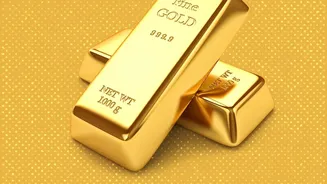
The most critical factor in your gold's value is its purity, measured in karats (K). Pure gold is 24K, but it is too soft for most jewellery. That is why it is mixed with other metals, creating alloys like 22K (91.6% pure gold) or 18K (75% pure gold).
In India, look for the Bureau of Indian Standards (BIS) hallmark, which certifies the gold's purity. Newer pieces may have a six-character alphanumeric Hallmark Unique Identification (HUID) number, which offers an additional layer of verification through the BIS CARE app. Understanding whether your piece is 22K or 18K is the first step to knowing its worth.
How Value Is Calculated
Jewellers use a standard formula to determine the value of your old gold: Final Value = (Net Gold Weight in grams × Purity Factor × Current Gold Rate per gram) - Deductions. The net weight is calculated after removing any stones, beads, or non-gold elements. The purity factor is the percentage of gold (e.g., 0.916 for 22K). It is crucial to check the day's gold rate from a reliable source before you visit a jeweller, as this is the base for the entire calculation.
The Importance of a Transparent Process
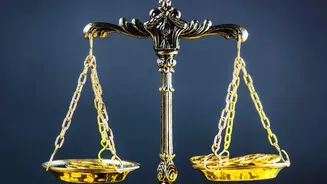
A reputable buyer will always perform the purity test in front of you. They typically use a non-destructive XRF machine (Karatmeter) that gives an accurate reading of the gold's composition without damaging the piece. Be wary of any buyer who takes your jewellery to a back room for assessment. You should also be able to witness the weighing process on a calibrated digital scale. Insist on a clear, written breakdown of the calculation, showing the net weight, purity, gold rate applied, and any and all deductions.
Watch Out for Deductions and Charges
This is where sellers often lose the most value. While the original making charges you paid are never recoverable, some buyers add extra deductions. These may be called melting charges, refining fees, or wastage, typically ranging from 1% to 3%. Always ask the buyer to clarify these deductions upfront. Some jewellers have transparent exchange policies with zero deductions, often creating a more trustworthy transaction. If a buyer's deductions seem excessive or are not clearly explained, it is a major red flag.
Choosing the Right Buyer
Do not sell at the first shop you visit. It is wise to get quotes from two or three different jewellers to understand the fair market value in your area. Established, reputable jewellery brands are often a safer bet than local pawnshops, which may offer lower rates. Some people prefer returning to the jeweller where the item was originally purchased, as they may offer a better exchange value. You do not always need the original bill to sell old gold, but you will be required to provide valid photo identification like an Aadhaar or PAN card.