








The Problem with a Single Number
A calorie is a unit of energy, nothing more. It tells you how much fuel a food provides, but it reveals nothing about the quality of that fuel. Two meals with identical calorie counts can have vastly different effects on your body. For instance, 500 calories
from a balanced plate of grilled chicken, quinoa, and vegetables provides protein for muscle repair, fibre for digestion, and a host of vitamins and minerals. In contrast, 500 calories from a bag of potato chips and a sugary soda delivers a quick energy spike followed by a crash, with few, if any, lasting nutritional benefits. Focusing only on calories can lead to neglecting essential nutrients your body needs to thrive. Moreover, the numbers themselves are often imprecise; nutrition labels can have a margin of error, and a restaurant’s portioning is rarely perfectly consistent.
Beyond Energy: Meet the Macronutrients
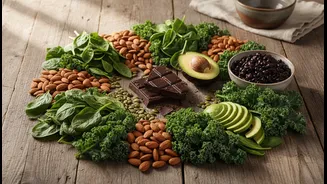
A truly well-built meal has a healthy balance of macronutrients: proteins, carbohydrates, and fats. These are the nutrients your body needs in large amounts. Proteins are the building blocks for tissues and are vital for immune function. Carbohydrates are the body's primary energy source, and choosing complex carbs like whole grains ensures a slow, steady release of energy. Healthy fats, found in foods like avocados, nuts, and olive oil, are crucial for brain function, hormone production, and absorbing certain vitamins. A meal that balances these three components helps to stabilize blood sugar, sustain energy levels, and promote a feeling of fullness, or satiety, which prevents overeating.
The Hidden Heroes: Micronutrients and Density
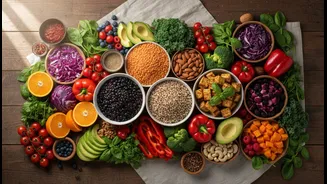
While macronutrients provide the fuel, micronutrients are the tiny but mighty components that help the engine run smoothly. These are the vitamins and minerals your body needs in smaller quantities but cannot do without. They support everything from bone health to immune defense and converting food into usable energy. This brings up the concept of nutrient density versus calorie density. A food is nutrient-dense if it packs a high amount of vitamins, minerals, and fibre relative to its calories. Leafy greens, berries, lean meats, and legumes are great examples. Calorie-dense foods provide a lot of energy but may offer little nutritional value, like sweets and fried items. Aiming for nutrient-dense foods is a powerful way to nourish your body without fixating on calorie numbers.
How It's Made Matters: Whole vs. Processed
The journey from farm to plate can significantly alter a food’s nutritional profile. Ultra-processed foods often contain added sugars, unhealthy fats, and sodium, while being stripped of fibre and essential nutrients during manufacturing. Even if a processed meal is engineered to have a specific calorie count, it may lack the complex benefits of its whole-food equivalent. A whole-food diet, rich in foods that are in or close to their natural state, supports gut health, immunity, and long-term wellness. For example, the vitamins in many vegetables are delicate and can be lost during processing methods like canning or blanching. Choosing whole foods whenever possible ensures you are getting a more complete nutritional package.
How to Build a Better Plate
Instead of getting lost in numbers, you can use a simple visual guide to build a better meal. A widely recommended model is the 'plate method'. Imagine your plate divided into sections: fill half of it with colourful vegetables and fruits, a quarter with a lean protein source, and the final quarter with whole grains or complex carbohydrates. This simple framework ensures you get a mix of fibre, vitamins, minerals, protein, and sustained energy. Don't forget to include a source of healthy fat, perhaps by using olive oil for cooking or adding some nuts or seeds. This approach shifts the focus from restriction and counting to abundance and quality, creating a more positive and sustainable relationship with food.