



The Heartland's Favorites: Uttar Pradesh
As the birthplace of Lord Krishna, Mathura and Vrindavan in Uttar Pradesh offer the most iconic Janmashtami delicacies. The star of the bhog is undoubtedly Makhan Mishri, a simple yet divine mixture of fresh, unsalted white butter and rock sugar crystals,
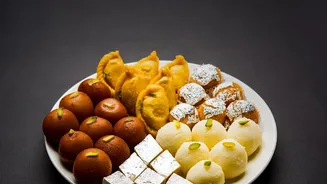
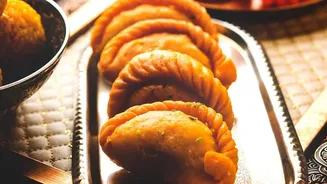
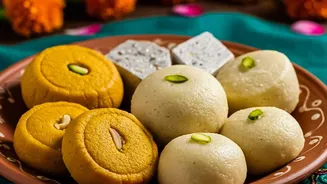
believed to be Krishna's favorite. Another essential is Panjiri, a roasted mix of coriander seed powder, whole wheat flour, ghee, dried fruits, and sugar, which is both a prasad and a nutritious snack. The streets come alive with the aroma of Mathura ke Pede, a rich, grainy sweet made from slow-roasted khoya (milk solids), and savory treats like Aloo-Puri and Kachori. These dishes are sattvic, prepared without onion or garlic, reflecting purity and devotion.
Western Wonders: Maharashtra & Gujarat
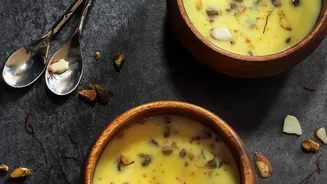
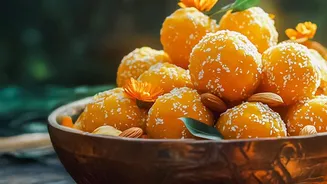
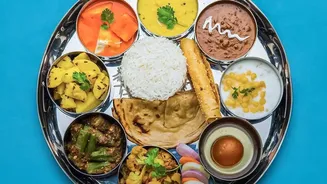
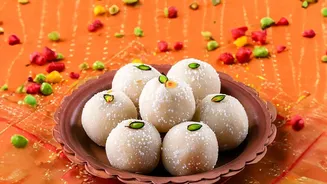
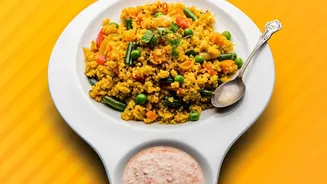
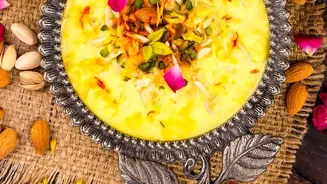
In Maharashtra, Janmashtami celebrations often feature the Dahi Handi ceremony, and the food reflects this playful spirit. Gopalkala, or Dahi Kala, is a signature dish made from flattened rice (poha) mixed with yogurt, cucumber, green chillies, and peanuts. It is a cool, savory preparation that symbolizes the meal Krishna shared with his cowherd friends. The Maharashtrian festive thali also includes sweets like the creamy, yogurt-based Shrikhand, often served with fluffy puris. In neighboring Gujarat, the celebrations include offerings like Dhaniya Panjiri, which uses coriander powder as its base, and sweet dishes like Rava Laddu and the elegant, cardamom-infused Shrikhand.
Eastern Elegance: West Bengal & Odisha
The eastern states celebrate Janmashtami with a unique array of sweets, often incorporating seasonal ingredients. In West Bengal, the monsoon brings with it the ripe palm fruit, or 'taal'. This becomes the star ingredient for Taler Bora, which are sweet, deep-fried palm fritters made from its pulp mixed with rice flour and sugar or jaggery. Other delicacies include Tal Kheer (palm pudding), Narkel Naru (coconut ladoos), and various forms of Sandesh, a delicate sweet made from fresh chhena (cottage cheese). These dishes highlight the region's focus on milk-based sweets and locally sourced ingredients, creating a distinct festive flavor profile.
Southern Specialties: Tamil Nadu & Kerala
In South India, where the festival is known as Gokulashtami or Krishna Jayanthi, the culinary traditions are distinct and elaborate. The offerings, or neivedyam, feature a variety of savory and sweet snacks. A must-have is Seedai, which comes in two forms: Uppu (salt) Seedai and Vella (jaggery) Seedai. These are tiny, crunchy fried balls made from rice flour. Other popular items include the savory Thattai (crispy rice crackers), Murukku, and Nei Appam, a sweet fritter made of rice flour and jaggery fried in ghee. Poha, or Aval, is also central to the celebration, prepared as both a sweet dish with jaggery and coconut (Vella Aval) and a savory one. A unique tradition is the drawing of tiny footprints with rice flour paste, leading into the house to signify Krishna's arrival.