







Deconstructing Recipe Time
When you see a recipe, it often comes with a few time-based labels: 'prep time', 'cook time', 'active time', and 'total time'. 'Active time' is supposed to represent the minutes you'll be actively doing something—chopping, stirring, mixing. 'Cook time' is how
long the food is on the heat or in the oven. The problem is that these labels are subjective and often fail to capture the full scope of the work. Recipe developers are experienced, efficient, and work in organized kitchens; their five minutes of chopping might be your fifteen. Furthermore, a recipe that lists an ingredient as 'one onion, diced' often doesn't include the time it takes to actually dice that onion in its estimate. It assumes you begin with a diced onion, a convention that leaves many home cooks feeling perpetually behind schedule.
The Unseen Labour: Mise en Place
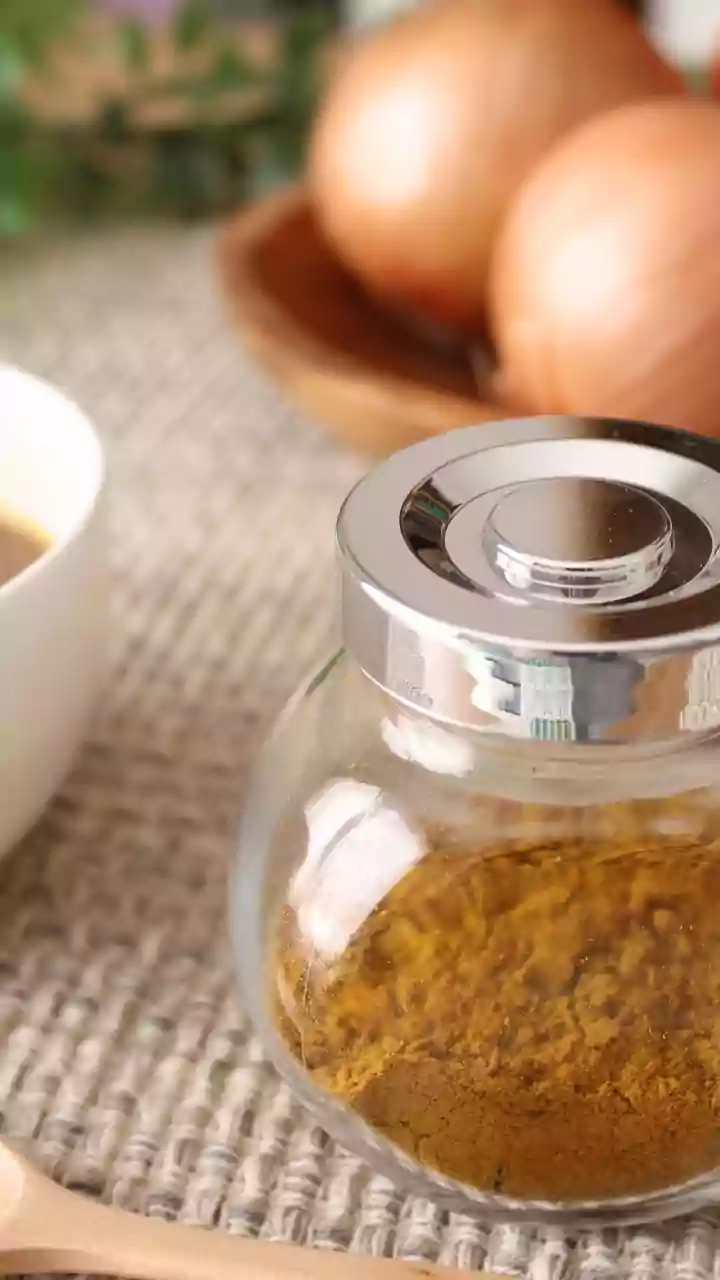
The secret to calm, efficient cooking is a French concept called 'mise en place', which translates to 'everything in its place'. This is the professional practice of gathering, prepping, and organizing every single ingredient and tool before you even turn on the stove. This includes washing and chopping vegetables, measuring spices into little bowls, and portioning out liquids. Recipe developers often work from a state of perfect mise en place, which is why their time estimates can feel so disconnected from a home cook's reality of frantically chopping an onion while something else is already sizzling on the pan. Taking 15 to 20 minutes to properly set up your mise en place before starting can transform a chaotic cooking session into a smooth, enjoyable process, even if it adds to the total time.
The Myth of 'Inactive' Time
Many recipes feature 'inactive time', which might include marinating, dough proofing, or simmering a stew. While you may not be actively chopping, this time isn't exactly free. A simmering sauce needs an occasional stir to prevent sticking. A roast in the oven needs to be monitored. Bread dough needs to be kept at a consistent temperature to rise properly. This period often requires you to remain in or near the kitchen, acting as a supervisor for your food. It’s a mental load that isn’t captured by the clock but is a real part of the cooking commitment. Ignoring this 'babysitting' phase is a common pitfall that can lead to unexpected stress.
The Final Hurdle: Cleanup
The one part of the cooking process that is almost universally ignored in recipe timings is the cleanup. Every bowl used for mise en place, every cutting board, knife, pan, and utensil contributes to a pile of dishes that represents the final phase of any meal preparation. This can add a significant amount of time and effort, anywhere from 10 to 30 minutes, depending on the complexity of the meal and whether you have the luxury of a dishwasher. Mentally adding this time to your cooking plan is crucial for a realistic understanding of when you’ll truly be 'done' with dinner. A smart cook cleans as they go, but even that requires time and multitasking.
How to Read a Recipe Like a Pro
To avoid the timing trap, it’s best to approach every new recipe with a healthy dose of skepticism and a solid plan. First, read the entire recipe from start to finish before you do anything else. This helps you spot any hidden time commitments, like softening butter or marinating meat. Second, embrace mise en place. Do all your chopping and measuring before you turn on any heat. Third, develop a personal rule of thumb. For many home cooks, a good starting point is to double the stated 'active time' to get a more realistic estimate. Finally, cook to indicators, not to the time. If a recipe says “sauté for 3-5 minutes or until golden brown,” the visual cue of 'golden brown' is far more important than the timer.