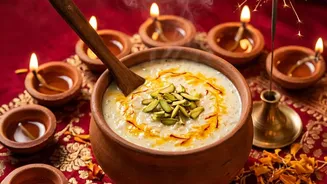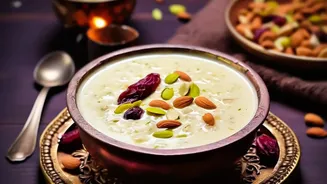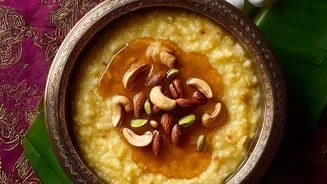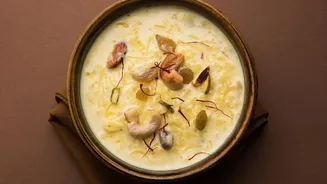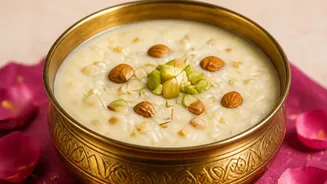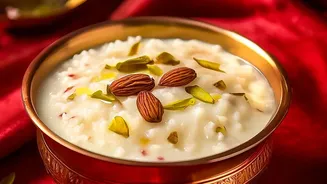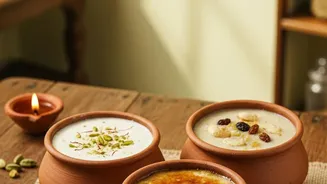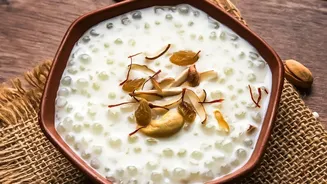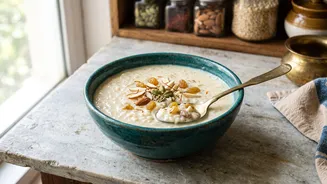

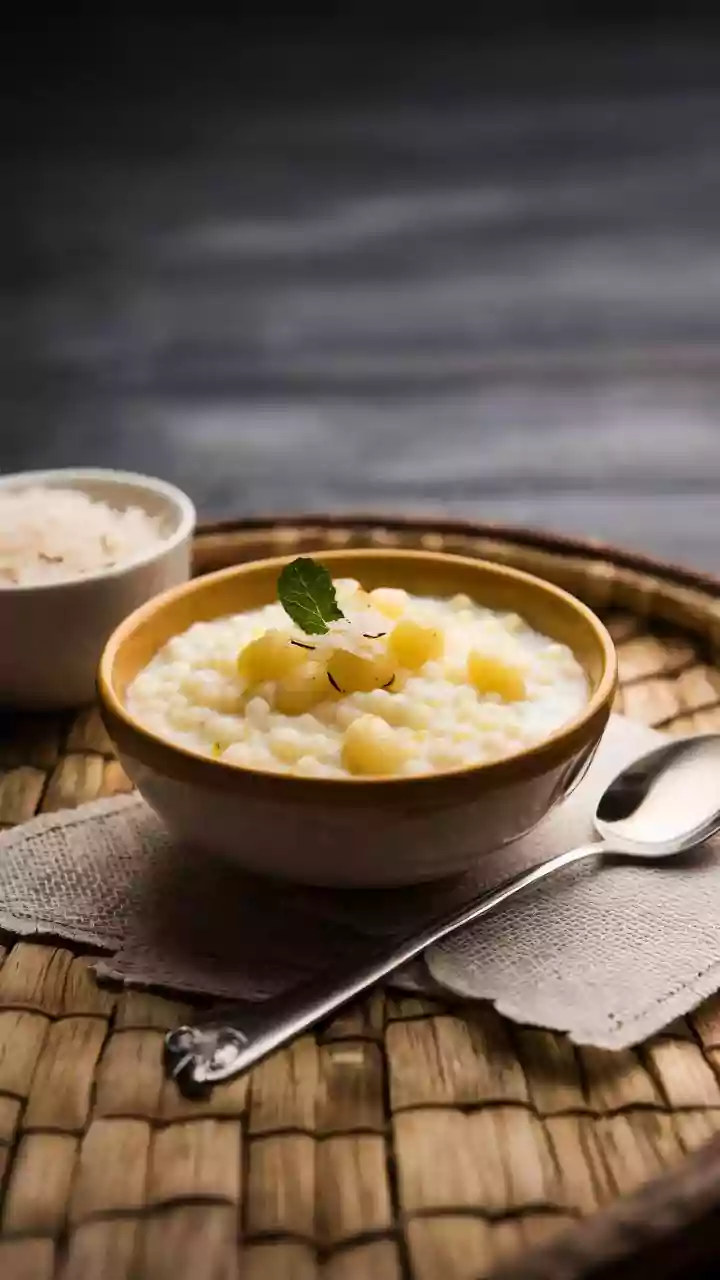
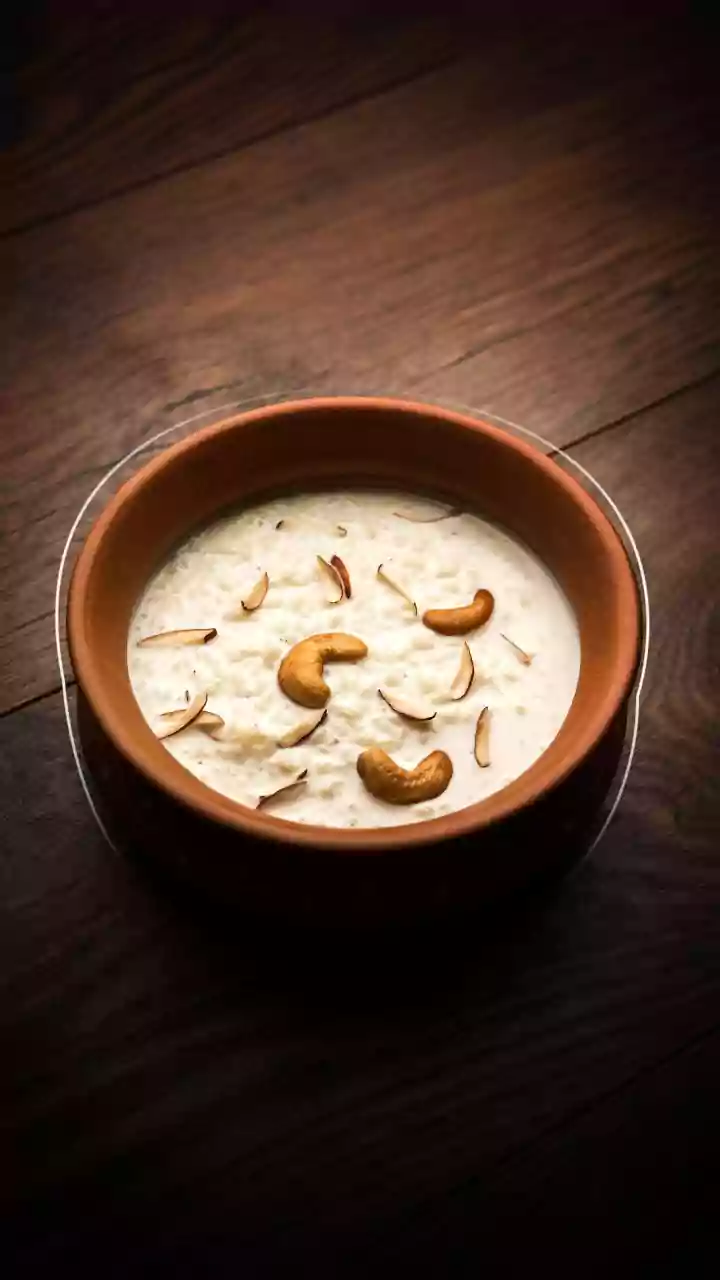

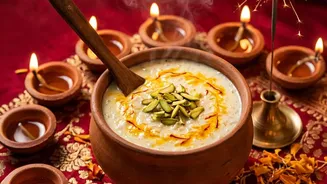
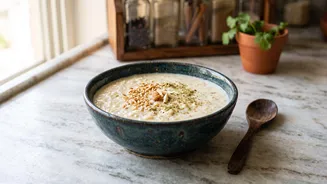

Move over, regular kheer. This winter, discover the rustic charm of Ganne ki Kheer, a traditional Punjabi dessert that swaps refined sugar for the natural, earthy sweetness of fresh sugarcane juice. It's a taste of the harvest in a bowl.
A Unique Winter Delicacy
Ganne ki Kheer,
also known as 'Rauh di Kheer', is a classic sweet dish hailing from the heartlands of Punjab. Traditionally prepared during winter festivals like Lohri and Makar Sankranti, this dessert celebrates the sugarcane harvest. Unlike conventional kheer which relies on milk and sugar, this version is defined by its core ingredient: fresh sugarcane juice. The juice itself acts as the cooking liquid and the sweetener, lending the kheer a beautiful caramel colour and a complex, earthy flavour that is truly one-of-a-kind. The process is a slow-simmered art, allowing the rice to absorb the sweet juice and create a creamy, soulful pudding that warms you from the inside out.
Gather Your Ingredients
The beauty of this recipe lies in its simplicity. You only need a few key items to create this masterpiece. For a serving of about four people, you will need: Sugarcane Juice: 1 litre, fresh and strained. Ensure it has no added ginger, lemon, or salt. Rice: ½ cup (about 100g) of fragrant, short-grain rice like Basmati, Gobindobhog, or broken Basmati. It should be washed and soaked for at least 30 minutes. Green Cardamom: 2-3 pods, lightly crushed, to impart a subtle fragrance. Dry Fruits & Nuts: A generous handful of your favourites. Traditionally, roasted peanuts, sliced dried coconut, almonds, and cashews are used. * Milk (Optional): 2-3 tablespoons. This is a traditional trick used to help clarify the juice, though it can be skipped if your juice is very clean.
The Slow-Simmer Method
Patience is key to perfecting this kheer. The slow cooking process is what develops the deep flavour and perfect consistency. 1. Clarify the Juice: Pour the strained sugarcane juice into a heavy-bottomed, deep pan. Bring it to a boil over medium heat. As it heats, a brown or grey scum will rise to the surface. Skim this off with a ladle. If using, adding a splash of milk at this stage can help coagulate these impurities, making them easier to remove. A cleaner juice results in a better-tasting kheer. 2. Cook the Rice: Once the juice is clear and boiling gently, drain the soaked rice and add it to the pan. Add the crushed cardamom pods. Lower the heat and let it simmer. 3. Stir and Wait: Cook on a low flame for 40-60 minutes, or even longer, until the rice is completely soft and the juice has reduced and thickened into a syrupy consistency. It’s important to stir frequently, especially towards the end, to prevent the rice and sugars from sticking to the bottom and burning. 4. Add the Finishings: In the last 10-15 minutes of cooking, stir in your chosen nuts and dry fruits, reserving some for garnish. Many recipes call for lightly toasting the nuts in a separate pan to enhance their flavour before adding them to the kheer. Cook for a final 5 minutes, then turn off the heat.
Tips for a Perfect Bowl
While the process is straightforward, a few expert tips can elevate your Ganne ki Kheer from good to unforgettable. Choose the Right Pot: Sugarcane juice foams up significantly when boiled. Use a pot that is at least twice the volume of the juice to avoid messy spills. Low and Slow is the Tempo: Resisting the urge to turn up the heat is crucial. High heat can cause the natural sugars in the juice to burn, resulting in a bitter taste. Consistency is Key: The kheer will continue to thicken as it cools. Switch off the flame when it is still slightly runnier than your desired final consistency. Serving Style: This kheer is delightful served warm, fresh off the stove. However, it is also traditionally served cold. Chilling it allows the flavours to meld and deepen. Some enjoy it the next day for breakfast, sometimes with a dollop of curd.