


As winter arrives, our kitchens embrace a familiar, heart-warming shift. The craving for richer, warmer foods isn't just in your head; it's a seasonal tradition. But while these dishes provide comfort, can they really fend off winter sickness?
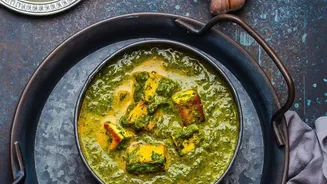
The Punjabi Classic: Sarson ka Saag
Nothing
says winter in North India quite like a steaming bowl of Sarson ka Saag, served alongside Makki di Roti with a dollop of white butter. Traditionally, this dish is celebrated for its 'warming' properties. The truth is, the greens themselves—mustard, spinach, and bathua—are nutritional powerhouses. Mustard greens are rich in vitamins K, A, and C, and provide essential minerals. The cooking process, which involves slow-simmering the leaves, makes these nutrients easier to digest. The warmth comes from the energy your body expends to digest this fibre-rich meal and the generous addition of ghee or butter, which are dense in calories. While it provides excellent seasonal nutrition that supports overall health, it is not a direct shield against catching a cold or the flu.
The Indulgent Treat: Gajar ka Halwa
When red 'Delhi carrots' flood the markets, Gajar ka Halwa becomes a staple dessert. Many consider it a 'healthy' sweet because its primary ingredient is carrots. Carrots are an excellent source of beta-carotene, which the body converts into Vitamin A, crucial for vision and immune function. In fact, cooking carrots can make this nutrient more available to the body. However, let's be realistic. Traditional halwa is also prepared with significant amounts of milk, sugar (or condensed milk), and ghee. While these ingredients provide energy and, in the case of milk and ghee, some protein and fats, they also make the dish high in calories and sugar. Enjoy it as a delicious, nutrient-rich dessert, but think of it as a treat rather than a health tonic. It provides some vitamins, but it won't prevent illness.
The Energy Booster: Panjiri
Panjiri is a crumbly, sweet mixture of whole wheat flour, ghee, nuts, and edible gum, traditionally prepared in large batches for the winter. It is renowned as an energy-dense food, often given to new mothers to aid recovery and believed to keep the body warm. These claims have a basis in its composition. Panjiri is packed with calories from ghee and healthy fats, vitamins, and minerals from nuts and seeds. This makes it an excellent source of energy during colder, darker days when you might feel more sluggish. The term 'immunity-boosting' is often associated with it, largely due to the nutrient density of its ingredients. While these nutrients support a healthy immune system, eating Panjiri doesn't create a forcefield against viruses. It’s best seen as a powerful energy supplement, not a medicine.
The Winter Sweetener: Jaggery (Gur)
Winter sees many households swap refined white sugar for jaggery, or 'gur'. It's commonly believed that jaggery has a warming effect and helps fend off colds. Compared to refined sugar, which offers empty calories, jaggery is less processed and retains small amounts of minerals like iron and magnesium. These minerals can help combat winter fatigue. The perceived warming effect is largely due to the energy released as your body metabolises it. However, it's important to remember that jaggery is still a form of sugar. While it's a nutritionally superior alternative to white sugar, it should be consumed in moderation and does not have the power to prevent infections. Its main benefit lies in being a more wholesome sweetener, not a medicinal cure.