




First, What Is Your Skin Barrier?
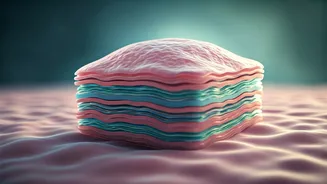
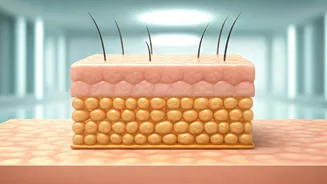
Think of your skin barrier as a well-built brick wall. The skin cells are the bricks, and natural lipids (fats like ceramides, cholesterol, and fatty acids) are the mortar holding them together. This wall, scientifically known as the stratum corneum,
has two crucial jobs: it keeps good things like water in (preventing dehydration) and bad things like pollutants, bacteria, and allergens out. When the 'mortar' weakens, the wall becomes compromised. This leads to sensitivity, redness, dryness, itchiness, and an increased risk of breakouts and infections – problems that often flare up during the monsoon.
The Monsoon's Unique Challenge
High humidity tricks us into thinking our skin is hydrated, but it often does the opposite. The constant moisture in the air can disrupt the skin’s natural balance. Your skin might feel sticky or oily, tempting you to wash your face more often or use harsh, stripping cleansers. This over-cleansing washes away the essential lipids, weakening the barrier. Furthermore, the damp environment is a breeding ground for bacteria and fungi, which can easily invade a compromised barrier, leading to acne and fungal infections. Your goal during this season isn't to dry your skin out, but to support its natural defences.
Cleanse Gently, But Smartly
Resist the urge to scrub your face with a harsh, foaming cleanser every time it feels oily. Instead, switch to a gentle, pH-balanced cleanser that cleans without stripping. Look for non-soap formulas that are free from sulphates. For those who wear makeup or heavy sunscreen, consider double cleansing in the evening. Start with an oil-based cleanser to dissolve impurities and makeup, then follow with your gentle water-based cleanser. This ensures your skin is thoroughly clean but the barrier remains intact.
Embrace Barrier-Repairing Ingredients
This is the season to be a smart consumer and look for specific ingredients that rebuild your skin’s ‘mortar’. Incorporate serums or moisturisers containing these heroes: - **Ceramides:** These are lipids that are naturally part of your skin barrier. Applying them topically is like giving your skin the exact raw materials it needs to repair itself. - **Niacinamide (Vitamin B3):** A multi-tasking superstar. It helps the skin produce more of its own ceramides, regulates oil production, calms inflammation, and reduces redness. - **Hyaluronic Acid:** While it’s famous for hydration, it works best when the barrier is healthy. Use it on damp skin before your moisturiser to pull hydration in. But remember, it needs a healthy barrier to lock that moisture in place.
Choose a Lightweight Moisturiser
Yes, you still need to moisturise in humid weather! Skipping this step can actually make your skin produce more oil to compensate for dehydration, worsening the sticky feeling. The key is to switch your product. Ditch the heavy, occlusive creams you might use in winter and opt for lightweight, non-comedogenic (won't clog pores) formulas. Gel-based moisturisers, light lotions, or emulsions are perfect for the monsoon. They provide the necessary hydration and support the barrier without feeling greasy or heavy on the skin.
Don't Forget Sunscreen—Ever
Cloudy skies are deceptive. Up to 80% of the sun’s harmful UV rays can penetrate through clouds, and they are a primary cause of skin barrier damage and premature ageing. Sun damage weakens the skin’s structure, making it more susceptible to all the other monsoon-related issues. Continue to apply a broad-spectrum sunscreen with at least SPF 30 every single day. Look for gel-based or matte-finish sunscreens that feel comfortable in the humidity.