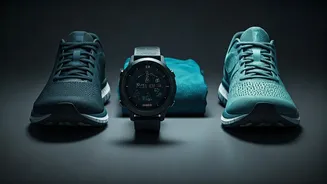









The Urban Fitness Dilemma
In cities across India, the commitment to fitness is stronger than ever. Yet, so are the environmental challenges. Whether you're a runner in Delhi, a cyclist in Mumbai, or a yogi in Chennai, your workout is often at the mercy of the weather. Extreme
heat, choking pollution, and relentless monsoon rains create a frustrating cycle of stop-and-start routines. The key isn't to give up, but to adapt. Understanding the specific risks each season brings and learning how to adjust your activities accordingly is crucial for maintaining both your health and your fitness momentum.
Navigating Heat and Humidity
Exercising in hot, humid weather puts significant stress on your body. Your cardiovascular system works overtime to cool you down, increasing heart rate and leading to fatigue much faster. The primary risks are heat exhaustion and heatstroke. Heat exhaustion involves heavy sweating, dizziness, nausea, and cool, clammy skin. If you experience these symptoms, stop immediately, move to a cool place, and hydrate. Heatstroke is a life-threatening emergency where the body's cooling system fails. Symptoms include a high body temperature (above 104°F), confusion or altered mental state, and hot, dry skin. This condition requires immediate medical attention. To stay safe, exercise only during the coolest parts of the day, such as before 7:30 AM or after 6:30 PM. Always check the heat index, which combines temperature and humidity to reflect how hot it really feels.
Mastering the Monsoon Workout
The monsoon brings relief from the heat but introduces new challenges. High humidity persists, increasing the rate of sweating and the need for hydration. Outdoor surfaces become slippery, raising the risk of falls and injuries, so proper footwear with good grip is essential. It's also wise to avoid exercising near trees or power lines during gusty winds. While a light drizzle can be refreshing, exercising in heavy downpours or thunderstorms is dangerous. The monsoon season can also see a rise in waterborne diseases, so be cautious of running through puddles in areas with poor drainage. This is often the best season to explore indoor activities you might otherwise neglect.
The Invisible Threat of Air Pollution
In many Indian cities, poor air quality is a year-round concern. During exercise, you breathe more deeply and rapidly, inhaling a greater volume of harmful pollutants like PM2.5. This can lead to airway inflammation, reduced lung function, and increased long-term risk of respiratory and heart diseases. It's crucial to check the Air Quality Index (AQI) before heading out. Most experts agree that outdoor exercise should be avoided or significantly limited when the AQI is above 150. An AQI above 200 is considered hazardous for everyone, and the harms of inhaling toxic air can outweigh the benefits of the workout. On high-AQI days, the safest option is always to move your routine indoors.
Smart Indoor Alternatives
When the weather outside is hostile, your living room can become your gym. Bodyweight exercises like squats, push-ups, lunges, and planks are highly effective for building strength and require no equipment. Yoga is another excellent indoor option that improves strength, flexibility, and can help boost immunity—a welcome benefit during the monsoon when respiratory issues are common. Spot jogging and skipping are fantastic for cardiovascular fitness and can be done in a small space. For those who enjoy a more structured workout, a wealth of online fitness classes, from high-intensity interval training (HIIT) to dance, are available. These alternatives ensure your fitness journey continues, rain or shine.
Listen to Your Body and Hydrate
Regardless of the weather, the most important rule is to listen to your body. Don't push through dizziness, unusual fatigue, or pain. Reduce the intensity and duration of your workout by 20-30% to allow your body to acclimatize to challenging conditions. Hydration is non-negotiable. Drink water before, during, and after your workout. For longer sessions in the heat, an electrolyte drink can help replenish the salts lost through sweat. A simple way to monitor your hydration is to check your urine colour; pale yellow is the goal. Being weather-smart is about being body-smart first.