



Getting Around the Countryside
To truly experience rural Portugal, renting a car is a practical necessity. It offers the freedom to explore hidden beaches, hilltop castles, and sleepy hamlets that public transport rarely reaches. Roads are generally well-maintained, though lanes in ancient
villages can be narrow and winding. When renting, book ahead, especially for summer travel, and opt for a smaller vehicle to make navigating and parking easier. Be sure to request an electronic toll device, known as a Via Verde transponder, as many highways have automated toll systems without booths. The smart way to plan is to take the train between major cities like Lisbon and Porto and then collect your rental car on the day you head into the countryside, saving on city parking and stress.
Alentejo: The Land of Gold and White
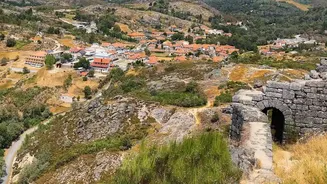
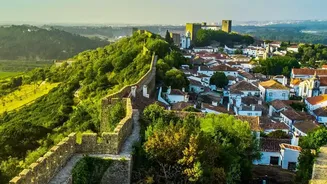
Stretching south and east from Lisbon, the Alentejo region is often called Portugal's heartland. It's a vast, sun-drenched landscape of cork oak forests, olive groves, and sprawling vineyards. The pace of life is slower here, anchored in agriculture and tradition. The region is dotted with stunning whitewashed hill towns. Don't miss Monsaraz, a medieval walled village that feels like an open-air museum, offering breathtaking views over the Alqueva Dam and the Spanish border. Further north is Marvão, another fortified town perched dramatically on a granite crag in the Serra de São Mamede mountains. And Évora, a UNESCO World Heritage site, serves as the region's capital, boasting a Roman temple and a rich history.
The Douro Valley: A River of Wine
In Northern Portugal, the Douro River has carved a stunning valley, its steep hillsides covered in terraced vineyards that have been producing wine for 2,000 years. This is the world's oldest demarcated wine region and the home of Port wine. A drive here is unforgettable, with winding roads offering spectacular views at every turn. While the main attractions are the 'quintas' (wine estates), you'll also find charming villages. Pinhão, located right on the river, is a great base for exploring and is famous for its railway station decorated with blue-and-white azulejo tiles depicting the wine harvest. Nearby, Lamego is known for its grand baroque staircase leading up to the Santuário de Nossa Senhora dos Remédios.
Central Portugal: The Historic Villages
For a journey into the country's past, explore the 'Aldeias Históricas de Portugal', a network of 12 historic villages nestled in the mountainous interior near the Spanish border. These strategically built settlements served as a defensive line for centuries. Each has its own character, from the star-shaped fortress of Almeida to Monsanto, the famous 'village of stone' where houses are built into and under giant granite boulders. Another gem is Piódão, a 'schist village' where houses made of dark stone cascade down a remote mountain side, creating a unique and picturesque scene. These villages offer a glimpse into a resilient and authentic side of Portugal, rooted in history and tradition.
Where to Stay and What to Eat
To fully immerse yourself in the countryside, consider staying in a 'quinta'. These are traditional country estates, which can range from working farms ('agroturismo') to historic manor houses ('turismo de habitação'). Many are wine estates in the Douro that now offer boutique hotel experiences with pools and restaurants. In the Alentejo, you can find sprawling farmhouses offering tranquility and a connection to the land. These stays are a destination in themselves, often featuring farm-to-table meals with local bread, olive oil, and regional cheeses. It's an opportunity not just to see the countryside, but to taste it and live by its rhythms.