





What Exactly is Sumac?
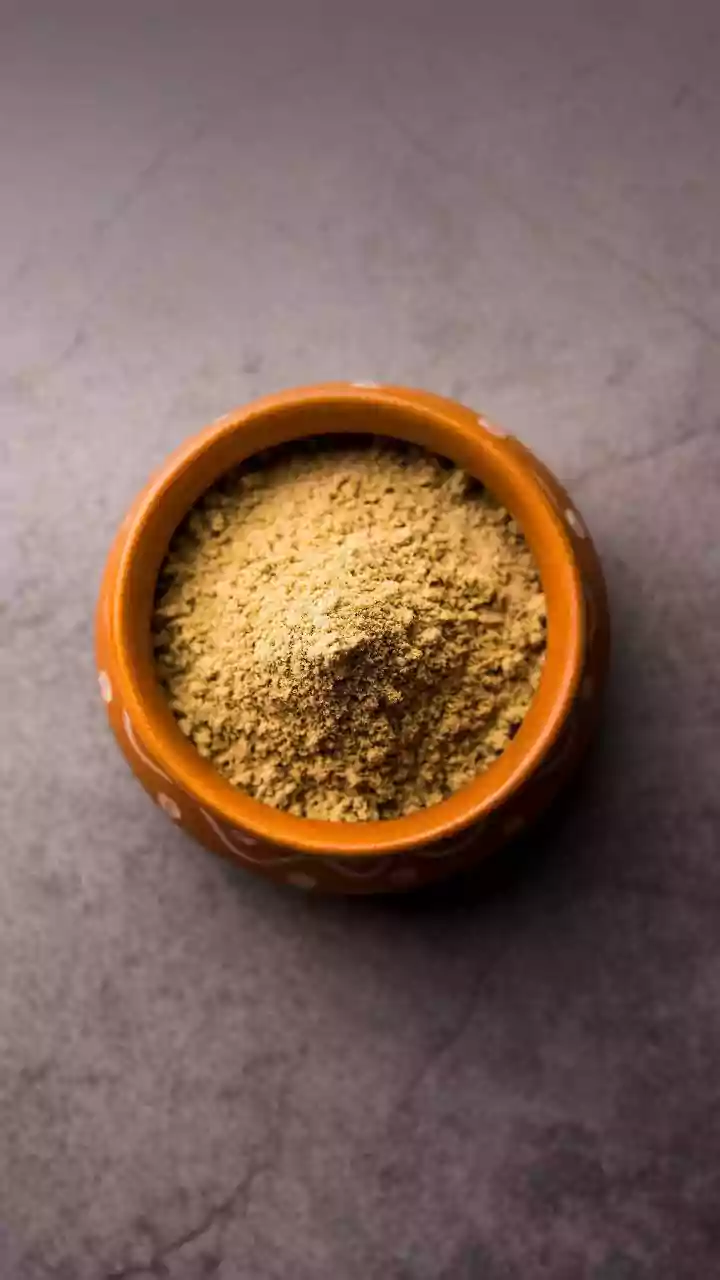
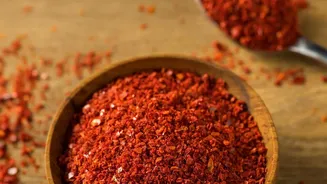
Sumac is a deep red or purplish spice that comes from the dried and ground berries of the wild sumac bush, Rhus coriaria. For centuries, it has been a staple in Middle Eastern and Mediterranean cooking, prized for its beautiful colour and unique flavour.
Before lemons were widely available in Europe, sumac was used to impart a sour taste to dishes. The coarse powder is made by drying the berries and pulverizing them. It's an essential ingredient in many classic recipes and is often used as a tabletop condiment in countries like Iran, much like salt and pepper.
A Tangy, Lemony Flavour Profile
The taste of sumac is its main attraction: a bright, tangy, and sour flavour very similar to lemon or lime. However, it's generally considered softer and less acidic than fresh citrus juice, with an earthy, slightly fruity undertone. This makes it incredibly versatile. It provides a zesty lift without adding extra moisture, which is perfect for spice rubs or situations where you don't want to water down a dish. For those familiar with Indian spices, its tartness can be compared to amchur (dried mango powder), offering a different but equally effective souring quality.
Simple Ways to Use Sumac at Home
You don't need complex recipes to start cooking with sumac. Its beauty lies in its simplicity as a finishing spice. Sprinkle it over a finished dish just before serving to get the full impact of its bright flavour and colour. It's a classic addition to salads like fattoush, a Levantine bread salad. Try dusting it over hummus, baba ganoush, or a simple bowl of plain yogurt or labneh (strained curd) for an instant flavour boost. Roasted vegetables, like cauliflower, carrots, or potatoes, are transformed with a sprinkle of sumac and olive oil right after they come out of the oven. Even a simple breakfast of avocado toast or fried eggs can be elevated with a pinch of this crimson spice.
Perfect Pairings and Spice Blends
Sumac is a team player and a key component in one of the Middle East's most famous spice blends: za'atar. Za'atar typically combines sumac with dried thyme, toasted sesame seeds, and salt, creating an earthy, nutty, and tangy mix that's delicious on flatbreads with olive oil. Beyond za'atar, sumac pairs wonderfully with other spices like cumin, coriander, allspice, and paprika. It's also a star in marinades. For a simple vegetarian marinade, you can blend sumac with olive oil, garlic, and lime juice to coat paneer, tofu, or tempeh before grilling or pan-searing.
Beyond a Simple Garnish
While excellent as a finishing touch, sumac can also be a core flavouring agent in cooked dishes. You can create a zesty dressing for a hearty chickpea, cucumber, and tomato salad by whisking sumac with olive oil and lemon juice. It can be stirred into lentil and carrot stews to add a layer of brightness that cuts through the earthiness of the pulses. Some creative cooks even use it in desserts, pairing its tartness with sweet fruits like strawberries or watermelon for a surprising and refreshing contrast. Another popular use is in sumac onions, where thinly sliced red onions are massaged with sumac and salt, creating a tangy condiment perfect for topping salads, wraps, and grain bowls.