







Bucket 1: The Social Fuel (Food and Drink)
This is often the largest and most unpredictable weekend expense category. It covers everything from your morning coffee run and leisurely brunch with friends to Saturday night dinner, takeaways, and drinks. A recent study found that spending on dining
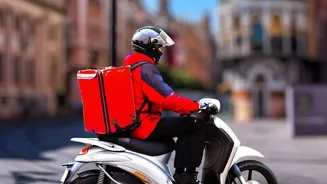
out and food delivery sees a significant jump on weekends. Tracking this bucket isn't about making you feel guilty for enjoying a meal out; it's about understanding the true cost of convenience and socialising. When you add up a weekend's worth of lattes, lunches, and late-night snacks, the total can be revealing. It helps you see whether your food spending aligns with your overall financial goals and social priorities. This awareness allows you to make more conscious choices, like maybe hosting a potluck instead of dining out, without sacrificing your social life.
Bucket 2: The Fun Fund (Activities and Entertainment)
Weekends are for unwinding, and that often involves spending on leisure. This bucket includes all your discretionary entertainment costs: movie tickets, concert passes, museum entries, sporting events, and hobby-related purchases. A study on urban Indian spending habits revealed that entertainment expenses nearly double over the weekend compared to weekdays. Tallying up your Fun Fund shows you exactly what experiences you prioritise. Are you spending on memorable events or on autopilot? Perhaps you’ll discover that you're spending more on passive entertainment than on the active hobbies that truly recharge you. By tracking this, you can be more intentional, setting aside funds for a big concert you’re excited about instead of frittering away money on things you don't really enjoy.
Bucket 3: The 'Just-Because' Buys (Shopping and Errands)
This bucket is the home of both planned shopping trips and spontaneous splurges. It includes everything from a new outfit and the latest gadget to those seemingly small purchases made during a “quick trip” to the market or hardware store. Spending on fashion, for example, has been shown to more than double on weekends. These trips, often fuelled by a combination of free time and a relaxed mindset, can quietly drain your account. This category also captures non-essential grocery items for a weekend baking project or supplies for a spontaneous home improvement task. Tracking these expenses highlights the difference between needs and wants. It exposes the cost of impulse buys and helps you identify triggers, like boredom or emotional shopping, that lead to unplanned spending.
Bucket 4: The Getting Around (Transportation Costs)
Often overlooked, the costs of getting from A to B can add up significantly over a weekend. This bucket is for logging every rupee spent on ride-sharing services, taxis, public transport fares, fuel for your car, and parking fees. While a single ride-share fare might seem insignificant, multiple trips to meet friends, run errands, and attend events can accumulate into a surprisingly large sum by Sunday night. If you’re planning a weekend road trip, this bucket also includes the cost of fuel, which can be a major expense. Paying attention to this category provides a clear picture of how much it costs to facilitate your weekend plans. This insight might encourage you to explore more cost-effective options, like using public transport, carpooling with friends, or simply choosing activities closer to home.