







Understanding the Fragile Paradise
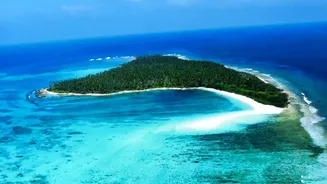
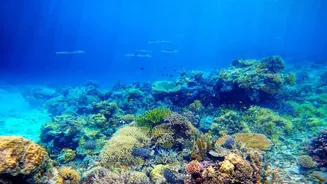
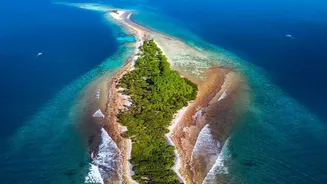
Lakshadweep is India's only coral atoll archipelago, a unique ecosystem built by tiny coral polyps over millennia. These reefs are not just beautiful; they are the islands' first line of defence against ocean waves and storms, protecting coastal communities.
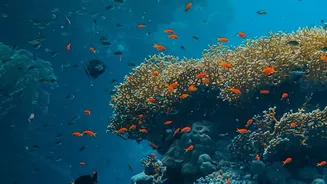
They also support immense biodiversity, including hundreds of fish species. However, this paradise is under threat. Climate change has led to severe coral bleaching events, with rising sea temperatures causing corals to die. Pollution, particularly from plastics and improper waste management, further chokes this delicate environment, posing a significant risk to marine life and the livelihoods of islanders who depend on fishing and tourism.
Planning Your Responsible Trip
A sustainable visit begins before you even leave home. All visitors require an entry permit from the Lakshadweep Administration, a measure to regulate tourism and protect the islands. You can apply for this online via the official ePermit portal. As of 2026, the process has been simplified, and a local sponsor or Police Clearance Certificate is no longer needed for tourists. When packing, think minimal and eco-friendly. Bring biodegradable toiletries, a reusable water bottle to avoid single-use plastics, and most importantly, reef-safe sunscreen. Conventional sunscreens contain chemicals that are toxic to corals, contributing to bleaching. Choosing a reef-safe option is a small but impactful gesture.
Respecting the Underwater World
The golden rule of exploring Lakshadweep's underwater marvels is to look, but never touch. Corals are living animals, and touching them can cause damage and transmit diseases. It is strictly prohibited and punishable by law to touch or stand on coral formations. Similarly, collecting corals or shells as souvenirs is illegal. Leave them where they belong for the ecosystem to thrive. When snorkelling or diving, maintain a respectful distance from marine life. Do not feed the fish or other animals, as this disrupts their natural behaviour and diet. Always follow the instructions of your certified dive master or guide.
A Light Footprint on Land
Responsible tourism extends beyond the water. The administration has banned single-use plastics to combat pollution, so visitors must be mindful. Adhere to a strict "leave no trace" policy by carrying all your non-biodegradable waste back with you to the mainland for proper disposal. Conserve fresh water, a precious resource on the islands. On inhabited islands, be respectful of the local culture. Lakshadweep has a predominantly Muslim population; dressing modestly, especially outside of resort areas, is a sign of respect. Alcohol is prohibited on all islands except for Bangaram, so adhere strictly to these regulations.
Supporting the Local Community
Sustainable tourism is also about ensuring that the local community benefits directly and equitably. You can contribute positively by making conscious economic choices. Stay in locally-run homestays or eco-resorts that employ sustainable practices like solar power and rainwater harvesting. Dine at local eateries to experience authentic cuisine and support local families. When shopping for souvenirs, choose authentic handicrafts made by local artisans. This not only provides you with a meaningful memento but also helps preserve traditional skills and supports the island economy in a way that is empowering and sustainable.