








The Making of a Textile Giant
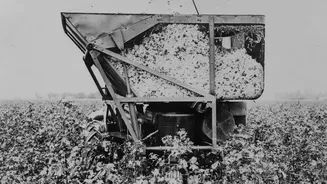
For well over a century, Coimbatore has been the epicentre of South India's textile industry. Its journey began in the late 19th century, thanks to a perfect combination of factors. The region's rich black soil was ideal for cultivating cotton, providing
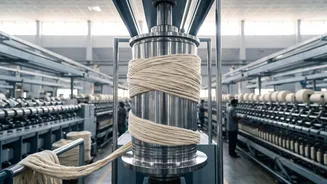
a steady supply of raw material. The first mill, the Coimbatore Spinning and Weaving Mills, was established in 1888. This set the stage for an industrial boom. The real take-off, however, happened in the 1930s with the commissioning of the Pykara hydroelectric project, which provided abundant and affordable power to the burgeoning industry. This, combined with the entrepreneurial spirit of the local community, led to a rapid proliferation of spinning mills, cementing the city's reputation as a textile powerhouse.
The Nerve Centre of Innovation
While mills drove production, the 'major manufacturing centre' that truly secured Coimbatore's place in textile heritage was not a factory but a hub of research: The South India Textile Research Association (SITRA). Established in 1956, SITRA became the scientific backbone of the industry. It wasn't just about producing more yarn; it was about producing better yarn. SITRA focused on applied research, quality control, and developing new technologies for spinning, knitting, and weaving. It established strict industry standards, known as SITRA norms, which helped mills reduce waste, improve efficiency, and produce textiles that could compete on the global market. With advanced laboratories and even its own pilot mill for real-time simulations, SITRA became a world-class institution, fostering an environment of continuous improvement that benefited the entire region.
An Ecosystem of Expertise
Coimbatore's strength wasn't just in spinning cotton; it was in building a complete ecosystem. The growth of textile mills spurred the development of ancillary industries, particularly foundries and engineering workshops that initially started by repairing imported textile machinery. Over time, these workshops evolved into sophisticated manufacturing units, producing indigenous textile machinery and further strengthening the region's self-reliance. This symbiotic relationship between the textile and engineering sectors created a unique industrial landscape. Furthermore, the textile boom led to the establishment of technical educational institutions, ensuring a steady supply of skilled manpower to run the mills and innovate for the future. This created a virtuous cycle of growth, knowledge, and industrialisation that has sustained the region for decades.
The Extended Weave: Tiruppur and Palladam
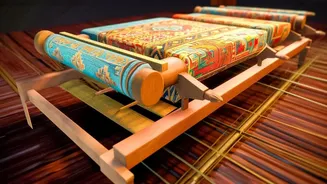
The influence of Coimbatore's textile heritage extends beyond the city limits, creating a dynamic industrial corridor. The nearby town of Tiruppur, once part of Coimbatore district, evolved into the 'Knitwear Capital of India', contributing to over half of the nation's knitwear exports. This specialisation was built on the foundation of the yarn supplied by Coimbatore's spinning mills. Similarly, Palladam emerged as a critical hub for weaving, housing massive high-tech parks with thousands of advanced looms producing millions of metres of fabric. Together, Coimbatore, Tiruppur, and Palladam form an interconnected textile powerhouse, each specialising in different stages of the value chain, from yarn to fabric to finished garments.
Weaving a Modern Legacy
Today, Coimbatore's textile industry faces the modern challenges of global competition, rising input costs, and the need for sustainable practices. However, its deep-rooted heritage provides a strong foundation for the future. The legacy of institutions like SITRA continues, with a modern focus on technical textiles, such as medical textiles, and sustainable manufacturing. The city regularly hosts international textile summits and expos, bringing together global industry leaders to discuss innovation and the future of the sector. This demonstrates a commitment to not just resting on past laurels but actively weaving the next chapter. The story of Coimbatore's textile heritage is a powerful reminder that industry is built not just on machines, but on knowledge, community, and a relentless drive for innovation.