




The Rise of 'More is More'
We’ve all been there. You see a new Vitamin C serum promising radiant skin, a buzzy acid peel for flawless texture, or a hydrating essence everyone is raving about. Before you know it, your morning and evening routines have ballooned into multi-step rituals
that require a flowchart to navigate. This trend, fuelled by social media 'shelfies' and the allure of endless customisation, has led many of us to believe that more products equal better skin. But experts are increasingly pushing back, arguing that this approach can backfire, leading to a state of 'skin overload.'
What 'Overloading' Really Means
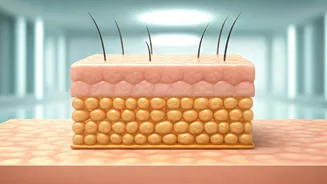
Skin overload isn’t just about the number of products you use; it’s about overwhelming your skin with too many active ingredients. Think of your skin as a delicate ecosystem. When you introduce too many potent ingredients at once—like retinoids, alpha-hydroxy acids (AHAs), beta-hydroxy acids (BHAs), and Vitamin C—they can start to compete and conflict. This doesn't just reduce their effectiveness; it can actively irritate your skin and compromise its most important defence: the skin barrier. Over-exfoliating is a major culprit, stripping away natural oils and protective cells faster than the skin can regenerate them.
Signs Your Skin Is Stressed
How do you know if you're doing too much? Your skin will send clear signals. Look out for increased redness, irritation, and a persistent feeling of tightness or stinging, especially after cleansing. You might experience unusual breakouts, even if you’re using products designed to fight acne. This is often because a damaged skin barrier can’t effectively keep bacteria out. Other signs include dry, flaky patches, sudden sensitivity to products you previously tolerated well, and a complexion that looks dull and inflamed rather than glowing and healthy.
How to Reset Your Skincare Routine
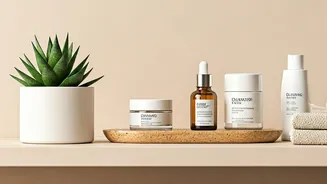
If this sounds familiar, it’s time for a 'skin detox'. This doesn't mean you need to throw everything away. Instead, pare your routine back to the absolute basics for a few weeks to allow your skin barrier to heal. This minimalist approach, sometimes called 'skinimalism', focuses on three core steps: 1. A Gentle Cleanser: Use a pH-balanced, non-stripping cleanser that cleans your skin without making it feel tight. 2. A Simple Moisturiser: Choose a hydrating, fragrance-free moisturiser with barrier-repairing ingredients like ceramides, glycerin, or hyaluronic acid. 3. Sunscreen: A non-negotiable step to protect your skin from UV damage, which is even more critical when your barrier is compromised. Use a broad-spectrum SPF of 30 or higher every single day.
Building a Smarter, Simpler Routine
Once your skin has calmed down (this can take 2-4 weeks), you can slowly and strategically reintroduce active ingredients. The key is to add only one new product at a time and use it just a few times a week initially to see how your skin reacts. A highly effective and sustainable routine for most people focuses on the core three (Cleanse, Moisturise, Protect) with the addition of one or two targeted treatments. For example, you might use a Vitamin C serum in the morning for antioxidant protection and a retinoid a few nights a week to address signs of ageing or acne. You don’t need both every day, and you certainly don’t need five different serums.