



From Relaxation to Reputation
For decades, the peak of aspirational travel was passive luxury. It was about being pampered in an exclusive resort, dining at Michelin-starred restaurants, and doing as little as possible. The goal was relaxation, and the evidence was a good tan. But
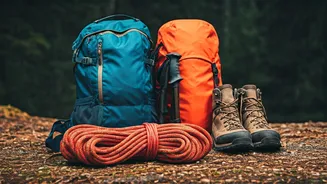
a significant cultural shift is underway. Travellers, particularly Millennials and Gen Z, are increasingly seeking out vacations that challenge them, teach them, and provide a compelling story. The new currency isn't about how much you spent on your hotel room, but the richness of the experience you had. Simply put, climbing a volcano is more interesting—and generates more social capital—than simply booking the most expensive suite with a view of it.
The Rise of the Experience Economy
This isn’t just a random whim; it’s a well-documented phenomenon known as the 'experience economy'. The idea, first popularised in the late '90s, is that consumers are prioritising spending on experiences over material goods. A new phone is great, but the memories (and photos) from a multi-day trek through the Himalayas or a scuba diving certification course in the Andamans are considered more valuable. These experiences become part of your identity. They are unique, personal, and can’t be easily replicated. In a world saturated with consumer goods, an authentic, effort-filled experience is the ultimate scarce resource. It’s not about owning something; it's about *becoming* someone who has done something.
Curated for the 'Gram
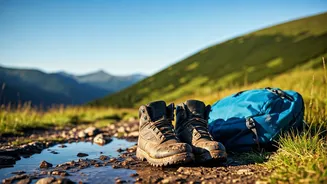
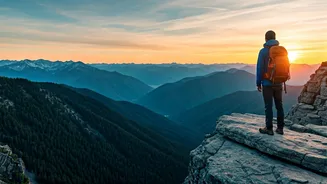
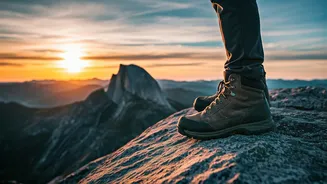
Social media is a huge driver of this trend. While a luxury hotel lobby is photogenic, it’s a static image. In contrast, the narrative arc of an active experience is perfectly suited for platforms like Instagram and TikTok. A post about a grueling hike has a built-in story: the struggle, the perseverance, and the triumphant summit view. It communicates values like determination, fitness, and a love for nature. A carousel post can show the journey: the muddy boots, the team camaraderie, the final breathtaking vista. This kind of content is inherently more engaging and says more about you than a picture of a cocktail. It's proof of effort, a 'receipt' for your accomplishment that earns likes and admiration.
What 'Active' Really Means
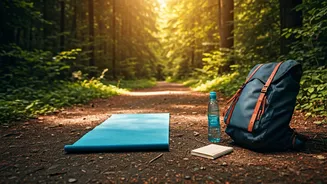
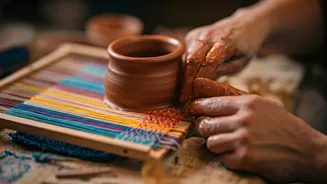
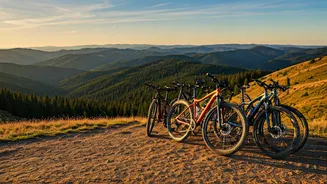
The term 'active experience' doesn't just mean scaling Mount Everest. The spectrum is broad and accessible to many. It can be a physically demanding challenge, like running a marathon in a foreign city or cycling through the hills of Coorg. But it can also be skill-based or culturally immersive. Think of a week-long culinary course in Goa, a yoga and meditation retreat in Rishikesh, volunteering at a wildlife sanctuary in Kenya, or learning traditional pottery in Japan. The common thread is participation. You are not a passive observer; you are an active participant in your own travel story. The goal is to return home not just rested, but changed, with a new skill, a new perspective, and a great story to tell.
How the Travel Industry Is Adapting
The travel industry has been quick to respond. Hotels are no longer just places to sleep; they are basecamps for adventure. Many now offer curated experiences, from guided historical walks and local cooking classes to partnerships with adventure tour operators. Tour companies are moving away from generic, large-group sightseeing and towards small, specialised trips focused on activities like kayaking, bird-watching, or wellness. Destinations themselves are branding around their experiential offerings. It's no longer just 'Visit Rajasthan'; it's 'Experience the life of a desert nomad on a camel safari'. This pivot reflects a deep understanding that for the modern traveller, the journey itself—and what you do along the way—is the destination.