







Understanding Visual Clutter
Visual clutter refers to anything that creates an excessive or overwhelming amount of visual stimuli, making it hard for our brains to process a space effectively. It’s not about dirt or mess in the traditional sense. It’s the sheer volume of items competing
for your attention. This can include too many decorative objects, exposed cables, mismatched patterns, or crowded countertops. Even when every item is clean and in its place, an overabundance of things creates a sense of disorganization and can make it difficult to relax. Research from Princeton University shows that this chaos makes it harder for the brain to focus, quietly increasing stress levels.
The Psychological Toll of a Busy Space
Living in a visually cluttered environment can have a tangible impact on your mental well-being. Studies have shown that clutter can increase levels of cortisol, the stress hormone, leading to feelings of anxiety and mental fatigue. It overloads your visual cortex, which can reduce your working memory and make it harder to process information. Every object can represent an unfinished task or a decision that needs to be made, contributing to decision fatigue. By simplifying what you see, you reduce this cognitive load, which can lead to increased productivity, better focus, and a greater sense of calm in your own home.
Corral Clutter on Flat Surfaces
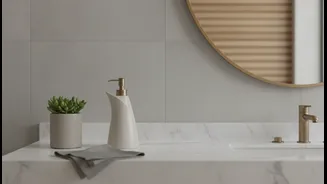
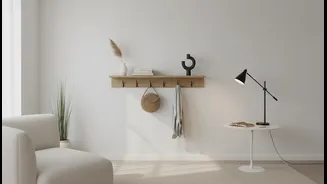
Countertops, tables, and nightstands are magnets for visual clutter. While it’s tempting to leave frequently used items out for convenience, they quickly contribute to a busy look. A simple strategy is to use decorative trays or shallow bowls to create a central “hub” for these items, such as remote controls, keys, and mail. This simple act of grouping objects together makes them read as a single unit rather than a dozen separate things. For kitchen and bathroom counters, keep only the absolute daily essentials out and find homes for everything else in drawers or cabinets. The goal is to create negative space—empty areas that give your eyes a place to rest.
Simplify Your Walls and Shelves
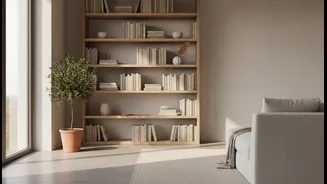
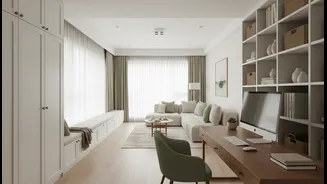
Decor is meant to be enjoyed, but too much of a good thing can become distracting. Overcrowded gallery walls or shelves packed with knick-knacks can make a room feel smaller and more chaotic. Instead of filling every available space, be intentional. Group similar items together and allow for breathing room around them. If you have a large collection, consider rotating which pieces are on display rather than showing everything at once. For bookshelves, don’t feel obligated to fill them completely. A mix of books, objects, and empty space is more visually appealing. Using closed storage, like cabinets with doors, is one of the most effective ways to instantly calm a room by hiding items from view.
Streamline Your Color Palette and Patterns
A cohesive color scheme can work wonders in reducing visual noise. Sticking to a limited palette of three to five complementary colors helps a room feel more unified and less jarring. This doesn’t mean your home has to be boring or neutral, but ensuring that your main colors and patterns work well together creates harmony. Too many competing patterns on rugs, pillows, and curtains can make a space look busy. If you love bold design, try to balance a few statement patterns with solid colors to prevent them from overwhelming the eye.
Adopt Simple, Sustainable Habits
Keeping visual clutter at bay is an ongoing process, not a one-time fix. Adopt a few simple habits to maintain your newly calmed space. The “one-in, one-out” rule is highly effective: for every new item you bring home, an old one must leave. Another powerful habit is the one-minute rule: if a task takes less than a minute to complete—like putting a coat away or wiping down a counter—do it immediately. Finally, schedule a 10-minute “reset” each evening to put items back in their designated homes. These small, consistent actions prevent clutter from piling up and make maintaining an organized space feel effortless.