



The Philosophy of Vrat-Approved Foods
Fasting in Indian culture is not about starvation; it's about discipline and purification. The foods consumed, often called 'phalahar' or 'sattvic' foods, are chosen for being light, pure, and easy to digest. The rules generally exclude common grains
like wheat and rice, onions, garlic, and processed items. Instead, the focus shifts to pseudo-grains, millets, fruits, and dairy. These foods are believed to calm the mind for prayer and meditation, provide clean energy without heaviness, and aid in detoxification. Makhana, kuttu, and rajgira perfectly fit this philosophy, offering a powerful combination of tradition and nutrition.
Makhana: The Puffed Powerhouse
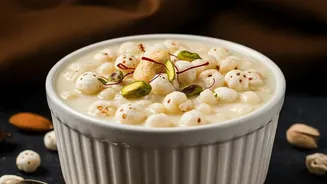
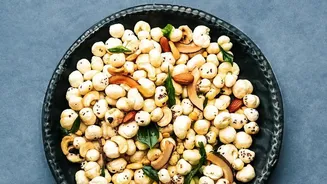
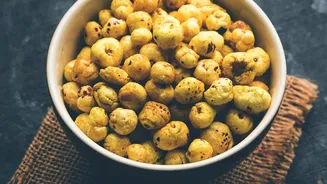
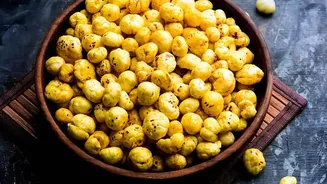
Makhana, or fox nuts, are the puffed seeds of the lotus plant and a fasting favourite for good reason. They are incredibly light and low in calories, making them an ideal snack that doesn't cause lethargy. Despite their lightness, they are nutritionally dense, packed with protein, fibre, magnesium, and potassium. The high fibre content promotes a feeling of fullness, helping to manage hunger pangs during a long day of fasting. Furthermore, makhana is naturally gluten-free and has a low glycemic index, which means it provides sustained energy release without causing sharp spikes in blood sugar. Rich in antioxidants, it also helps reduce inflammation and supports kidney and heart health. Their versatility is a major plus; you can roast them for a crunchy snack, add them to kheer, or make a simple curry.
Kuttu: The Warming Wonder
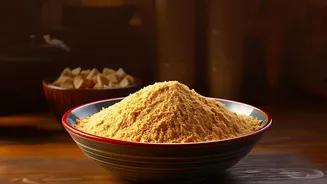
Kuttu ka atta, or buckwheat flour, is another 'vrat' staple, especially during Navratri. Despite its name, buckwheat is not a type of wheat; it's a pseudo-cereal, a seed that is consumed like a grain. This makes it naturally gluten-free and permissible during fasts. Kuttu is known for its warming properties, making it a comforting food. It is an excellent source of high-quality plant protein, containing all essential amino acids. It's also rich in dietary fibre, which aids digestion, a common concern when regular eating patterns are disrupted. Kuttu provides complex carbohydrates that ensure a slow and steady release of energy, keeping you active throughout the day. It is packed with minerals like magnesium and antioxidants like rutin, which are beneficial for heart health and blood pressure regulation.
Rajgira: The Royal Grain of Fasts
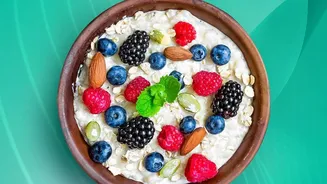
Rajgira, or amaranth, translates to 'royal grain' or 'the grain of the gods', hinting at its esteemed status. Like kuttu, it's a gluten-free pseudo-grain. Rajgira is a nutritional champion, boasting one of the highest protein contents among grains. It contains lysine, an essential amino acid that is often lacking in other plant-based diets, which helps the body absorb calcium and build muscle. It is also an excellent source of iron, magnesium, and dietary fibre. The high fibre content aids digestion and contributes to satiety, helping you feel full and satisfied. Its versatility allows it to be used in various forms — the flour can be made into rotis and puris, while the puffed seeds can be used to make chikkis or porridge.