
The Golden Rule: Ensure Proper Drainage
Before you start, the single most important factor for a healthy plant is drainage. Without holes, water will pool at the bottom, leading to root rot. For materials like plastic or tin, you can carefully poke or drill a few small holes in the base. For harder
materials like ceramic or glass, it's more challenging but possible with a specialized drill bit; just be sure to work slowly and keep the surface wet to prevent cracking. If drilling isn't an option, add a layer of pebbles or gravel to the bottom before the soil. This creates a space for excess water to collect away from the roots.
Creative Ideas from Around Your Home
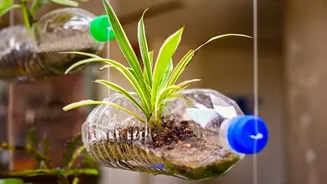
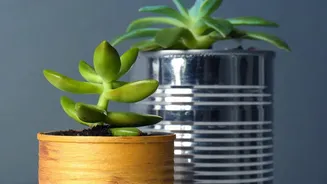
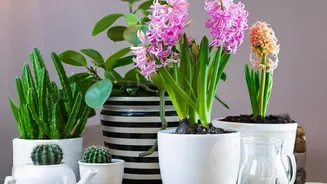
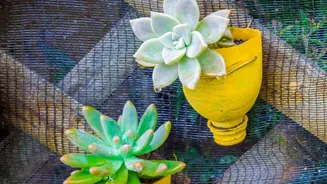
Once you start looking, you'll find potential planters everywhere. Old kitchen items are a great start. Chipped mugs and teacups are perfect for small succulents or herbs on a windowsill. An old teapot can make a whimsical home for a trailing vine. Food containers like metal tea tins, coffee canisters, and colourful biscuit boxes offer a rustic or industrial-chic look. Just be sure to clean them thoroughly first. Large plastic bottles and jugs can be cut in half to create functional pots, perfect for a balcony garden.
From Trash to Treasure: More Upcycling Inspiration
Don't stop at the kitchen. Glass jars, from jam to pickles, are ideal for plants that can grow in water, like pothos or lucky bamboo. Empty candle containers, once cleaned of wax, can become chic, minimalist pots. Even old galvanized buckets or kitchen colanders, which come with built-in drainage, can be turned into charming, rustic planters. For a truly natural aesthetic, consider using cleaned coconut shells, which are perfect for small air plants or succulents.
A Word on Material Safety
While most common household containers are safe for ornamental plants, be cautious if you plan to grow edible herbs or vegetables. Some plastics may leach chemicals into the soil over time. Look for plastics labelled as food-safe. Similarly, be wary of very old painted containers, as paint from before the 1970s could contain lead. When in doubt, it's best to use these older, more questionable containers for decorative plants only, not for anything you plan to eat.
Styling Your New Planters
The final step is making your new planter fit your home's aesthetic. A simple coat of spray paint can work wonders. Unify a collection of different containers by painting them all the same colour for a cohesive look. Textured spray paints that mimic stone or terracotta can elevate a simple plastic bottle into something that looks far more expensive. You can also wrap containers in jute twine for a rustic feel or cover them with leftover fabric scraps for a pop of colour and pattern.