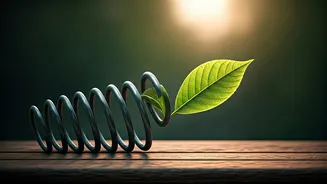









The Science of Gaining Strength
To understand why rest is so critical, we first need to look at what happens when you exercise. Strength training, whether with weights or your own bodyweight, puts stress on your muscles. This stress causes microscopic tears in the muscle fibres. [7,
9, 14] While this might sound alarming, it's a completely normal and necessary part of the muscle-building process. [14] This damage sends a signal to your body that it needs to repair and reinforce the muscle tissue to handle that level of stress in the future. The actual growth and strengthening, a process known as muscle hypertrophy, doesn't happen while you're lifting weights; it happens during the recovery period that follows. [5, 11] Your body initiates a cellular repair process called muscle protein synthesis (MPS) to fix these tiny tears, rebuilding the fibres so they are thicker and stronger than before. [5, 14]
The Dangers of Overtraining
Without adequate rest, you rob your body of the time it needs to complete this vital repair cycle. [5, 9] Consistently training without sufficient recovery can lead to overtraining syndrome, a state where your body is broken down further and further. [2, 7, 23] The signs of overtraining can be both physical and mental. You might notice your performance plateauing or even declining, despite working harder. [18, 21, 23] Other symptoms include persistent fatigue, prolonged muscle soreness, an elevated resting heart rate, mood swings, and even trouble sleeping. [18, 20, 21] Overtraining also elevates stress hormones like cortisol, which can inhibit muscle growth and encourage fat storage. [2, 14] Furthermore, it significantly increases your risk of injury as tired muscles and a fatigued central nervous system struggle to maintain proper form and function. [2, 7, 12]
Active vs. Passive Recovery
So, what does proper rest look like? It falls into two main categories: passive and active. Passive recovery is what most people think of as a rest day—complete rest with minimal physical exertion. [3, 4] This could mean sleeping, relaxing on the couch, or getting a massage. [10] Active recovery, on the other hand, involves low-intensity activity designed to increase blood flow and help flush out metabolic waste without putting significant stress on the body. [3, 4, 8] Think of activities like a gentle walk, a leisurely swim, stretching, or yoga. [10] Both have their place. Passive recovery is crucial for allowing deep tissue repair and nervous system restoration. Active recovery can be beneficial on the days after a hard workout to reduce soreness and speed up the healing process by promoting circulation. [4, 6] The key is to listen to your body; if you feel completely drained or are in pain, a passive rest day is likely in order. [3]
Fuel Your Recovery with Sleep and Nutrition
Rest days are only part of the equation. Two other pillars of recovery are sleep and nutrition. Sleep is arguably the most powerful recovery tool you have. [1, 5] During deep sleep, your body releases growth hormone, which is essential for muscle repair and regeneration. [5, 9] Aiming for 7-9 hours of quality sleep per night is critical for anyone engaged in a regular training program. [1, 5] Nutrition provides the raw materials your body needs to rebuild. Protein is especially important, as it provides the amino acids that are the building blocks for new muscle tissue. [15, 27, 29] Consuming adequate protein, particularly in the hours after a workout, helps maximize muscle protein synthesis. [17, 28] Carbohydrates are also vital for replenishing the glycogen stores your muscles use for energy, ensuring you're fueled up for your next session. [9, 29]
Putting It All Together: A Smart Rest Strategy
Building an effective rest strategy is as important as planning your workouts. A good starting point is to schedule at least one to two full rest days per week. [5, 11] On these days, you can choose between passive or active recovery based on how you feel. Pay close attention to the signals your body is sending. Persistent soreness, fatigue, and a lack of motivation are clear indicators that you need more rest. [18, 20] Consider implementing a 'deload' week every few months, where you significantly reduce the intensity and volume of your training to allow for full recovery and adaptation. [9] By integrating these strategies, you treat rest not as a break from your training, but as a fundamental and productive part of it.