






A Heritage Fabric's Modern Moment
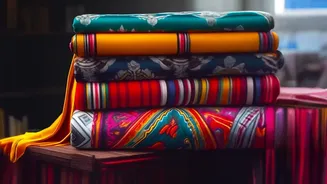
After years dominated by minimalist solids and muted tones, fashion is embracing colour and pattern with a story. The Madras check, with its vibrant, irregular patterns and rich history, fits this mood perfectly. Originating from Madras (now Chennai),
this lightweight cotton fabric has been a part of Indian life for centuries before finding global fame. Its current resurgence is tied to a broader interest in authenticity and slow fashion, where the textile's origins are as important as its appearance. Designers are now transforming it into everything from breezy dresses and co-ord sets to contemporary trousers and shirts, proving its versatility beyond traditional wear.
Why Breathable Cotton is Key
The defining characteristic of true Madras cloth is its exceptional breathability, a quality that stems from how it's made. Authentic Madras is traditionally handwoven from short-staple cotton. This handloom process creates a more open, airy weave compared to machine-made fabrics, allowing air to circulate freely—making it ideal for hot and humid climates. When shopping, look for fabric with a slightly uneven texture, often featuring small bumps known as 'slubs'. These so-called imperfections are not flaws but hallmarks of the hand-carding and hand-weaving process, and they give the fabric its unique character and softness. Another simple test for authenticity is checking if the pattern is identical on both sides of the cloth, which is a signature of genuine yarn-dyed, woven Madras.
The Allure of 'Bleeding' Dyes
The second major factor shaping the 2026 revival is an appreciation for authentic dye variation. Historically, Madras fabric was coloured using natural, vegetable-based dyes like indigo and turmeric. These dyes were not entirely colourfast, meaning they would 'bleed' and blend with each wash, creating a softer, more muted and unique pattern over time. What was once a potential issue for Western markets became a celebrated feature, famously marketed in the 1960s as 'Guaranteed to Bleed'. This quality is now seen as a sign of artisanal authenticity. While many modern Madras-style fabrics use stable chemical dyes, discerning shoppers are seeking out pieces that honour the original tradition. This 'bleeding' quality ensures that each garment develops a personal patina, with colours that gently fade and merge, making it truly one-of-a-kind.
How to Shop for Authentic Madras Check
Navigating the market for Madras check requires a keen eye. To ensure you're buying an authentic piece, first prioritise the material: it should be 100% cotton, feeling lightweight and soft to the touch. Avoid polyester blends that mimic the look but lack the breathability. Check for the signs of hand-weaving, such as minor slubs and the pattern being visible on both sides of the fabric. Don't be deterred by slight irregularities in the weave; they are a sign of craftsmanship. Ask about the dyes used. While true vegetable-dyed 'bleeding' Madras can be harder to find, it offers the most authentic experience. Many heritage brands and slow-fashion labels are returning to these traditional methods. Finally, consider the source. The fabric is intrinsically linked to the handloom communities of Tamil Nadu, and purchasing from brands that support these artisans helps preserve the craft for the future.