


An Ancient Secret for Modern Gardens
Imagine a watering system that is thousands of years old, requires no electricity or complicated tubes, and gives your plants exactly the amount of water they need, right when they need it. This isn't a futuristic gadget; it's an olla pot. An olla (pronounced
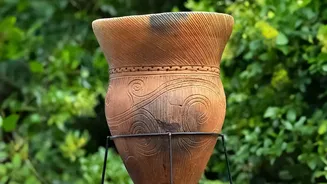
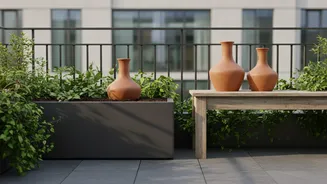
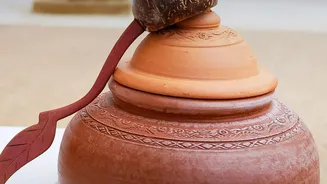
‘oy-yah’) is simply an unglazed terracotta vessel that you bury in the soil of your pot or garden bed. You fill it with water, and its porous walls do the rest. This method of irrigation dates back at least 4,000 years, used by ancient civilizations in dry climates to grow crops efficiently. Today, this time-tested technology is making a comeback, especially for urban gardeners facing the unique challenges of growing in containers.
How This Simple Pot Works Wonders
The science behind an olla is elegantly simple. Unglazed terracotta is porous, meaning it has microscopic holes. When you bury a water-filled olla, a natural process called soil moisture tension comes into play. Think of it this way: the dry soil around the pot acts like a sponge, gently pulling water through the clay walls. When the soil is moist, it stops pulling. This means the olla only releases water when the soil needs it, delivering a slow, steady supply directly to the plant's roots. This subsurface watering is incredibly efficient, reducing water loss from evaporation by up to 70% compared to watering the soil surface. Your plants get consistent hydration without ever being waterlogged or left to dry out.
The Perfect Solution for Balcony Microclimates
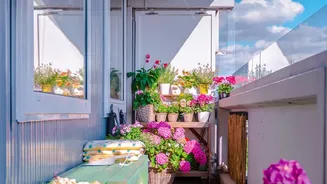
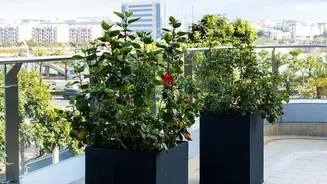
Balconies and rooftops can be harsh environments for plants. They are often exposed to more intense sun and wind, which can strip moisture from soil at a surprising rate. This creates what feels like a 'humid dry spell'—the air might be muggy, but the soil in your pots is baking. A single hot afternoon can be enough to stress a plant severely. Ollas counteract this by creating a stable, underground water reservoir. They make your container garden far more resilient to sudden heatwaves or if you happen to forget to water for a day or two. Since they don't require any power or plumbing, they are an ideal, hassle-free solution for apartment dwellers.
Getting Started With Your Olla Pot
Using an olla in your balcony containers is straightforward. First, choose a pot that is large enough to accommodate both the olla and your plant's roots; a container of at least 20 litres is a good starting point. When you're ready to plant, place the olla in the center of the container and fill the surrounding space with a quality potting mix. Bury the olla up to its neck, leaving the opening exposed so you can fill it. Then, arrange your plants around the olla, placing the thirstiest ones closest. Fill the olla with water and place a cap or a stone over the opening to prevent evaporation and keep mosquitoes out. Finally, add a layer of mulch on the soil surface to further conserve moisture.
The Best Plants for Olla Irrigation
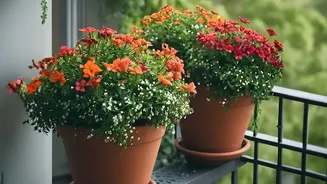
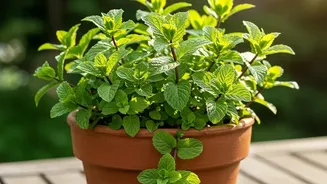
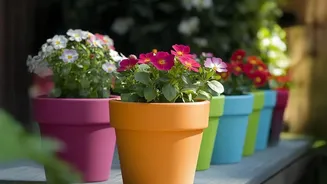
Ollas work best with plants that have fibrous root systems and appreciate consistent moisture. Fruiting vegetables are prime candidates. Tomatoes, in particular, thrive with olla irrigation, as the steady water supply helps prevent common problems like blossom end rot and fruit cracking. Peppers, cucumbers, squash, and melons also respond very well. Culinary herbs such as basil and mint, which can be fussy about watering, grow beautifully with an olla system. You can even use them for flowering annuals like marigolds and zinnias. The key is that the plant's roots are encouraged to grow towards the water source, creating a strong, healthy, and self-sufficient root system.