



Why A Few Stretches Make a Big Difference
When you feel stressed, your body releases hormones like cortisol, making it hard to concentrate and relax. Yoga helps counter this by activating your body's 'rest-and-digest' system. Through controlled movements and focused breathing, you can lower your heart
rate, reduce stress hormones, and increase blood flow to the brain. Studies show that even short, regular yoga practices can improve memory, reduce anxiety, and help students feel calmer and better prepared for academic challenges.
Cat-Cow Stretch for a Tired Back
Sitting hunched over books for hours can create major tension in your spine and shoulders. The Cat-Cow stretch is a gentle, effective way to release it. Start on your hands and knees, with your wrists under your shoulders and knees under your hips. As you inhale, drop your belly, lift your chest and tailbone, and look forward (Cow Pose). As you exhale, round your spine toward the ceiling, tucking your chin to your chest (Cat Pose). Repeat this fluid movement five to ten times, matching your breath to the motion. It’s a simple way to warm up the spine and relieve stiffness from studying.
Child’s Pose to Calm a Busy Mind
When your thoughts are racing, Child's Pose (Balasana) is like a 'reset' button for your nervous system. Kneel on the floor, sit back on your heels, and fold forward, resting your forehead on the mat. You can stretch your arms out in front of you or rest them alongside your body. This restorative pose gently stretches your back, hips, and shoulders while encouraging deep, calming breaths. Holding this pose for even a minute can significantly reduce feelings of anxiety and mental fatigue, making it perfect for a quick study break.
Tree Pose to Sharpen Your Focus
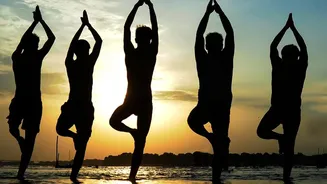
Balancing poses are excellent for improving concentration because they demand your full attention. For Tree Pose (Vrksasana), start by standing tall and shifting your weight onto one foot. Place the sole of your other foot on your inner ankle or calf, avoiding the knee. Find a fixed point in front of you to gaze at, which will help you stay steady. Bring your hands together at your heart or reach them overhead like branches. This pose not only builds physical balance but also trains your mind to remain present and focused, a skill that translates directly to your studies.
Seated Forward Bend to Ease Anxiety
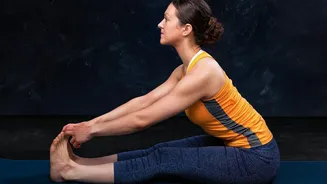
A Seated Forward Bend (Paschimottanasana) is a deeply calming pose that soothes the nervous system and stretches the hamstrings, which can get tight from sitting. Sit on the floor with your legs extended straight in front of you. As you inhale, sit up tall, and as you exhale, gently hinge at your hips and fold forward over your legs. Don't worry about how far you can go; just let your head hang heavy and breathe into the stretch. This pose increases blood flow to the brain and can help alleviate mild anxiety and irritability, helping you return to your desk with a clearer head.
Making It a Habit
The key to seeing benefits is consistency. You don't need an hour-long session to make a difference. Try setting a timer for a 5- or 10-minute yoga break every hour while you study. Use Cat-Cow to wake up your spine in the morning, Tree Pose to refocus in the afternoon, and Child's Pose to unwind before bed. Listening to your body and giving it these small moments of mindful movement can transform how you handle the stress of exams. It's not about perfecting a pose, but about taking a moment to breathe and reconnect.