






Why the Rains Demand a New Approach
The arrival of the monsoon is a cherished moment across India, but for our homes, it presents a unique set of challenges. The persistent dampness and high humidity create the perfect breeding ground for mould and mildew on walls, furniture, and even clothing.
This often comes with a persistent musty odour that can permeate the entire house. Furthermore, the season often sees an increase in pests like ants and other insects seeking shelter indoors. While reaching for a strong chemical cleaner seems like an easy fix, these products can fill your home with harsh fumes and potentially damage surfaces. Natural ingredients, long used in Indian households, offer a powerful, safer, and more affordable alternative. They don't just mask problems; they solve them at the source, making your home healthier and more pleasant.
The Power Trio: Your Natural Cleaning Toolkit
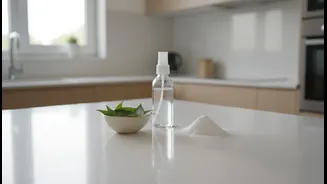
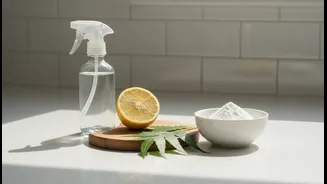
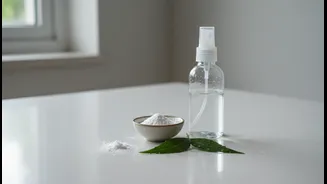
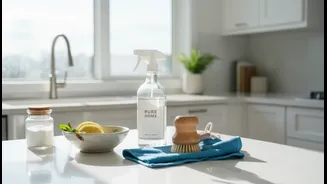
Three simple, low-cost ingredients form the backbone of an effective monsoon cleaning strategy: white vinegar, baking soda, and neem. White vinegar’s power comes from its acetic acid, a natural disinfectant that can kill a majority of mould species and cut through grime. Baking soda is a gentle abrasive and a phenomenal natural deodorizer, perfect for scrubbing surfaces and absorbing unpleasant smells from carpets and cupboards. Neem, a cornerstone of traditional Indian wellness, possesses potent antibacterial and insect-repellent properties, making it ideal for keeping floors clean and pests at bay. Together, they provide a comprehensive, eco-friendly solution to nearly every monsoon cleaning woe.
Fighting Fungus and Mould with Vinegar
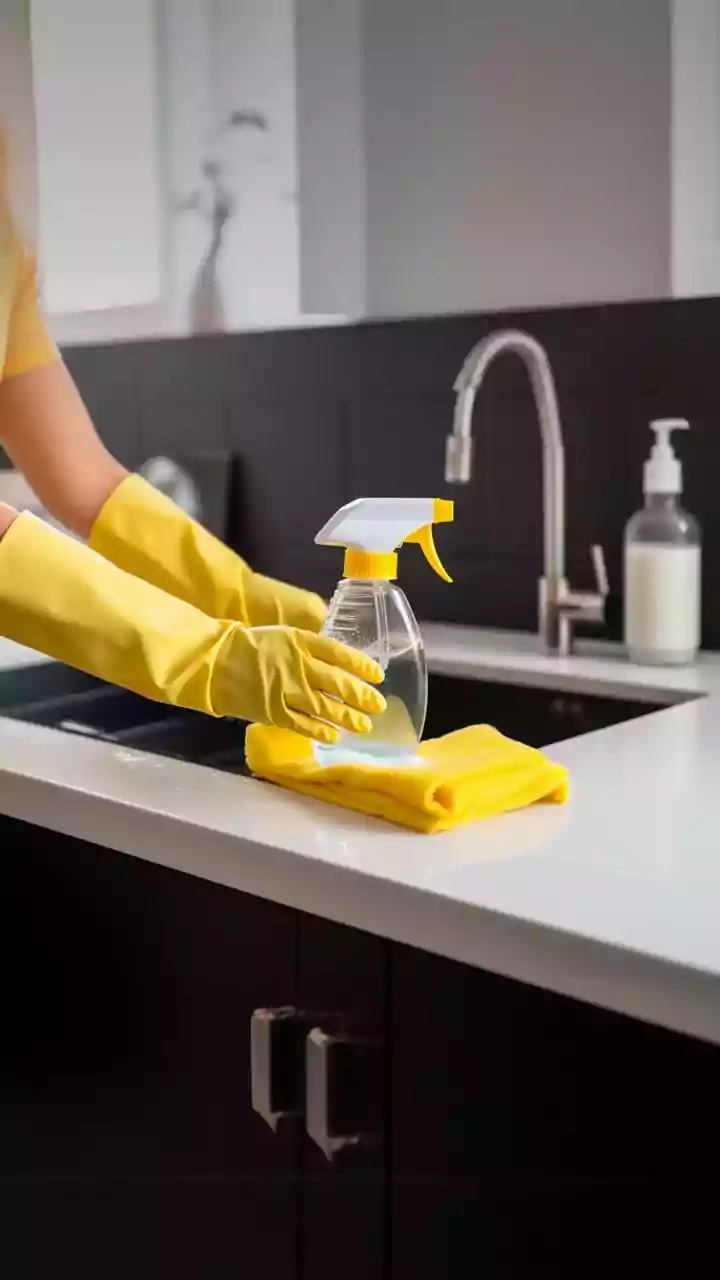
Mould and mildew are the most visible signs of monsoon damp. To tackle them, an undiluted white vinegar spray is your most effective weapon. Studies show its acidic nature kills over 80% of mould species. Simply spray neat white vinegar directly onto the affected area on walls or tiles, let it sit for about an hour, and then wipe it clean with a hot water cloth. For tougher spots, a gentle scrub may be needed. A final light spray of vinegar, left to air dry, can help prevent regrowth. A crucial note for all homes, especially rentals: never use vinegar on natural stone surfaces like marble or granite, as the acid can cause permanent damage and dulling. For these surfaces, a pH-neutral cleaner or mild soap and water is the safer choice.
Banishing Musty Odours with Baking Soda
That distinct damp, musty smell is one of the monsoon's least welcome features. Baking soda is a master at absorbing and neutralizing these odours. To freshen up wardrobes and cupboards, place an open bowl of baking soda inside to absorb moisture and smells; remember to replace it regularly. For carpets and rugs that feel damp, generously sprinkle baking soda over the surface, let it sit for at least 30 minutes to an hour, and then vacuum it up thoroughly. This simple trick lifts odours without any need for chemical sprays. You can also create a natural air freshener by mixing baking soda with water and a few drops of essential oil in a spray bottle.
A Natural Shield Against Pests with Neem
The rainy season often drives pests indoors. Neem offers a natural, non-toxic line of defence. Its active components act as a repellent and interfere with the growth and reproduction of many common insects. To keep your floors clean and deter pests, boil a handful of neem leaves in water, let the infusion cool, strain it, and add it to your mopping bucket. The faint, clean smell it leaves behind is a deterrent for ants and other critters. You can also make a spray by mixing neem oil with water and a little mild soap, which is effective for wiping down surfaces or even for protecting indoor plants from pests. This makes it a much safer option for homes with children and pets.
The Smart Choice for Renters and Cleaners
For those living in rented accommodations, these natural solutions are particularly brilliant. They are incredibly budget-friendly, reducing the recurring cost of buying multiple specialised cleaners. More importantly, they minimise the risk of causing damage to the property—like harsh bleach stains or corrosion—which can lead to deposit deductions. Using vinegar, soda, and neem avoids filling a smaller apartment with strong chemical fumes that can be unpleasant and difficult to ventilate. For professional home cleaners, incorporating these methods can be a unique selling point, offering a 'green' or 'low-chemical' service that is increasingly sought after by health-conscious clients.