


Understanding the Gut-Brain Superhighway
Think of the gut-brain axis as a busy, two-way superhighway connecting your central nervous system to your digestive tract. This communication network is constantly buzzing with signals. Your gut tells your brain when you're hungry or full, but the conversation
is much deeper than that. This connection relies on several key messengers, including the vagus nerve and chemicals called neurotransmitters. Surprisingly, a huge portion of the body's serotonin—often called the 'happy chemical'—is produced in the gut, not the brain. When this superhighway is clear and running smoothly, it supports emotional stability and mental clarity. But when there's a traffic jam, it can contribute to brain fog, low mood, and difficulty concentrating.
Probiotics: The Friendly Bacteria for Your Brain
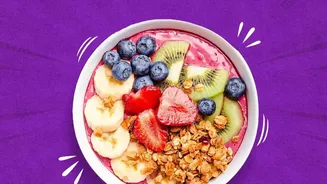
Your gut is home to trillions of tiny microorganisms, collectively known as the gut microbiota. Probiotics are the 'good' or 'friendly' bacteria within this ecosystem. They help maintain a healthy balance, and research increasingly shows this balance is crucial for mental well-being. Studies suggest that certain strains of probiotics can help reduce feelings of stress and anxiety and support a more positive mood. They work by restoring microbial balance, which can help reduce inflammation and support the production of those important mood-regulating neurotransmitters. By nourishing your gut with these beneficial microbes, you're also nurturing the foundation of your mental and emotional health.
Finding Probiotics in the Indian Kitchen
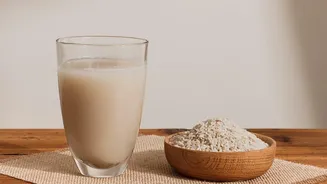
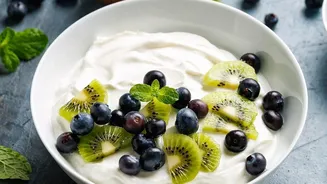
The good news is that you don't need expensive supplements to boost your probiotic intake. The traditional Indian diet is full of naturally fermented foods that are rich in these beneficial bacteria. Dahi (curd) is perhaps the most common and powerful source, a staple in households across the country. Buttermilk, or chaas, is another excellent and hydrating option. South Indian breakfast staples like idli and dosa are made from a fermented batter of rice and lentils, making them gut-friendly. In Gujarat, the fluffy, steamed dhokla is made from a fermented chickpea flour batter. Even traditional, naturally fermented pickles (achaar) and the North Indian drink Kanji, made from fermented carrots, can be great sources of probiotics.
Fiber: The Fuel for Your Good Gut Bugs
If probiotics are the friendly bacteria, think of dietary fiber as their favourite food. This type of carbohydrate, which our bodies can't digest, passes through to the gut, where it becomes fuel for our microbiota. This process of fermentation produces compounds called short-chain fatty acids (SCFAs), which have been shown to reduce inflammation and play a role in regulating mood and cognitive function. A diet rich in fiber helps strengthen the gut barrier and supports a diverse and thriving population of good bacteria. Research has linked higher fiber intake with a lower risk of depressive symptoms, highlighting its importance not just for digestive regularity, but for mental clarity too.
An Everyday Guide to Fiber-Rich Indian Foods
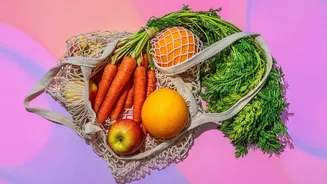
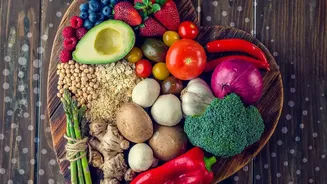
Incorporating more fiber into your diet is simple with the variety available in Indian cuisine. Lentils and legumes, the foundation of any dal, are powerhouses of both fiber and protein. Masoor, moong, and chana dal are all excellent choices. Whole grains are another key source. Opt for whole wheat atta for your rotis and embrace traditional millets like jowar, bajra, and ragi. When it comes to vegetables, staples like bhindi (okra), green peas, carrots, and leafy greens all contribute to your daily intake. For fruits, guavas are a standout, packing a significant amount of fiber, but papayas, apples, and bananas are also great options. Snacking on roasted chana is another easy way to get a fiber boost during the day.