








Embrace the Power of Airflow
The single most effective weapon against dampness is ventilation. Stagnant air traps moisture, creating the perfect breeding ground for mould and mildew. The simplest solution is to practice cross-ventilation. Whenever the rain lets up, open windows and doors
on opposite sides of your home to create a natural breeze. This simple act flushes out the stale, humid air and draws in fresher, drier air. Even a few minutes a day can make a significant difference. Also, make it a habit to run your exhaust fans in the kitchen while cooking and in the bathroom after a shower for at least 15-20 minutes. These fans are designed to pull moisture-laden air directly outside before it can spread through the house.
Strategic Dehumidification Tactics
While a dehumidifier is an effective appliance, you can achieve similar results with several low-cost, natural moisture absorbers. Place bowls of coarse rock salt or baking soda in damp corners, inside wardrobes, or on windowsills. These substances naturally draw moisture from the air. Activated charcoal is another excellent option that not only absorbs humidity but also neutralises odours effectively. You can place small pouches of it in drawers and shoe racks. Don't throw away those little silica gel packets that come with new shoes or electronics; they are powerful moisture absorbers perfect for small, enclosed spaces like closets and camera bags.
Manage Wardrobes and Fabrics
Clothes and linens are particularly susceptible to musty smells during the monsoon. The moisture in the air prevents them from drying completely, leading to mildew. If you can, avoid drying laundry indoors. If you have no choice, ensure the room is well-ventilated. To protect the clothes in your wardrobe, don't overstuff them; allow some space for air to circulate. Placing camphor balls, neem leaves, or cloves in small cloth bags inside your cupboards can help repel pests and combat odours. For the season, it’s also wise to roll up and store away heavy carpets and rugs, as they can trap a great deal of moisture and take a very long time to dry, contributing to the dampness in the room.
Control Moisture at the Source
Many of our daily activities add moisture to the indoor air. During the rainy season, a few small adjustments can have a big impact. Try taking shorter, cooler showers to reduce the amount of steam produced. When you are cooking, especially boiling water or making curries, be sure to cover your pots and pans. This simple step keeps the steam from escaping into your kitchen. Check for any leaks in your plumbing, around window frames, or in the roof and get them fixed promptly. Even a small, slow drip can contribute significantly to the overall humidity level in your home.
Keep Musty Smells Away
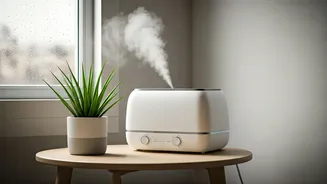
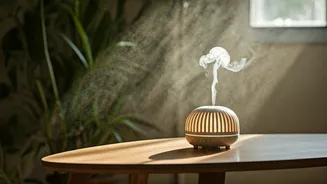
If a musty smell has already set in, there are several ways to freshen up your space. Use essential oil diffusers with scents like eucalyptus, tea tree, or lemongrass, which have natural antifungal properties and leave a pleasant fragrance. You can also make a natural room spray by mixing water with a few drops of your favourite essential oil. For a quick fix, boiling a pot of water with citrus peels like lemon or orange, along with a few cloves or a cinnamon stick, can quickly overpower unpleasant odours. Keeping your home clean is also key; regularly wipe down walls and furniture with a dry cloth to prevent mould from taking hold.