



From Theory to Tangible Action
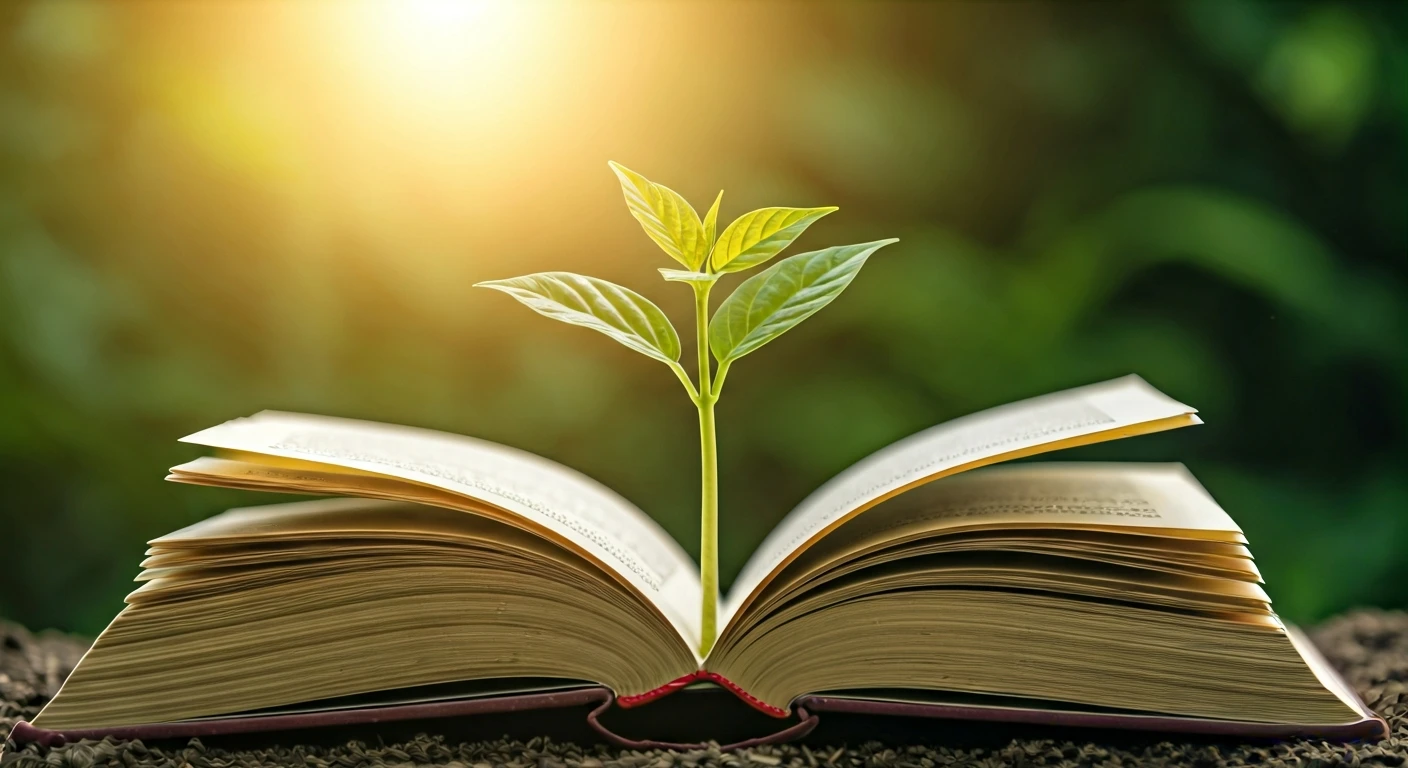
The traditional approach to environmental education often involved memorising definitions of pollution, drawing diagrams of the water cycle, and reading about distant rainforests. While well-intentioned, this method frequently failed to create a lasting
connection or a sense of personal responsibility. Today, educators and policymakers are recognising that true environmental literacy isn't about what students know, but what they can do. This pivot towards practical learning is driven by a growing understanding that India’s complex environmental challenges—from water scarcity to waste management—require a generation of proactive problem-solvers, not just passive observers. The National Education Policy (NEP) 2020 has further catalysed this shift by championing experiential and project-based learning across all subjects, creating the perfect framework for a more hands-on approach to ecology.
Learning by Doing in Indian Schools
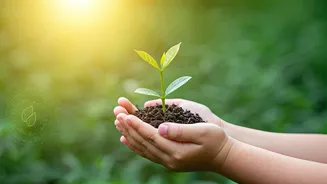
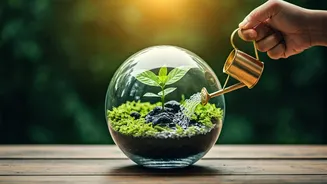
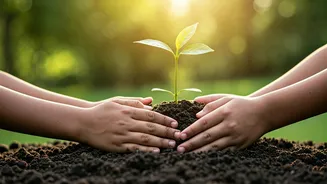
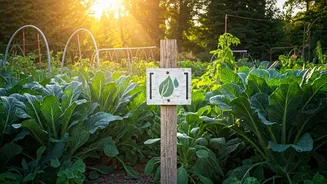
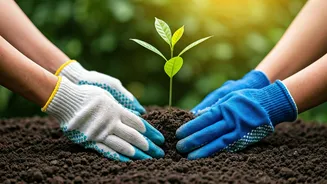
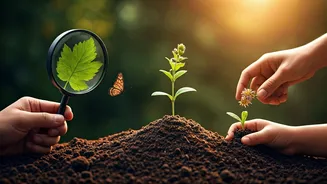
So, what does this practical learning look like? Instead of just reading about waste segregation, students are conducting waste audits in their schools. They collect, sort, and weigh the daily trash to identify what can be reduced, reused, or composted. Many schools are now setting up their own composting pits or vermicomposting units, turning canteen waste into valuable manure for school gardens. In other initiatives, students are becoming citizen scientists. Armed with simple kits and smartphones, they test the quality of local water bodies, document the biodiversity of birds and insects in their school grounds, or map the oldest trees in their neighbourhoods. These projects don't just teach scientific principles; they ground them in the students' immediate surroundings, making abstract concepts like 'biodiversity' and 'pollution' visible and personal.
The Benefits Beyond the Environment
This hands-on approach cultivates more than just eco-consciousness. When students design a rainwater harvesting system for their school, they are learning engineering principles, project management, and budgeting. When they present their findings from a local air quality study to the community, they are honing their public speaking and data analysis skills. This form of education fosters critical thinking, collaboration, and a profound sense of agency. Students realise they have the power to effect change in their own communities. This empowerment is a powerful antidote to 'eco-anxiety'—the feeling of helplessness in the face of daunting environmental problems. Instead of feeling overwhelmed, they become active participants in building a more sustainable future, developing skills that are valuable far beyond the realm of environmental science.
Overcoming the Hurdles
Despite the clear benefits, the transition is not without its challenges. Implementing practical environmental education requires more than just a change in curriculum; it demands resources, institutional support, and, most importantly, trained educators. Many teachers, accustomed to textbook-based instruction, need specialised training to facilitate outdoor, project-based learning effectively. Schools in under-resourced areas may lack the space for a garden or the funds for water testing kits. Furthermore, there's often pressure to prioritise subjects perceived as more 'important' for examinations. Overcoming these obstacles requires a concerted effort from school administrations, government bodies, and non-profit organisations to provide the necessary training, funding, and flexibility. Success hinges on reframing environmental education not as a supplementary activity, but as a core component of developing well-rounded, capable, and engaged citizens.