






The Rhythm of the Walk: Breathing for Fuel
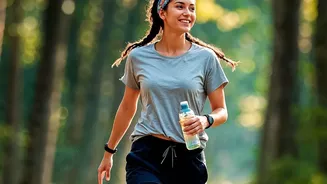
When you set out for a brisk walk, your breathing naturally finds a rhythm. Its primary job is mechanical: to supply your muscles with a steady stream of oxygen for aerobic activity. Conscious awareness here is about efficiency. The goal is to breathe
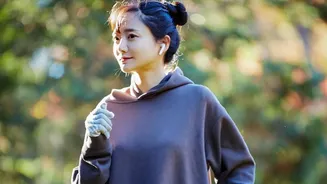
deeply and consistently to maintain your pace and endurance without getting winded. Many walkers synchronise their breath with their steps, for instance, inhaling for three steps and exhaling for three steps. This rhythmic pattern helps regulate effort and can make the activity feel more meditative. The technique often involves deep 'belly breathing', which engages the diaphragm to pull more air into the lungs, maximising oxygen intake. This contrasts with shallow chest breathing, which is less efficient and can lead to fatigue. While walking is excellent for clearing the head, the focus on breathing is largely in service of physical performance.
The Stillness of the Pose: Breathing for Presence
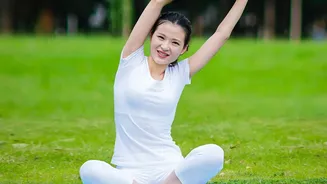
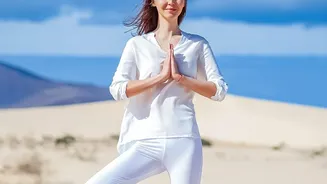
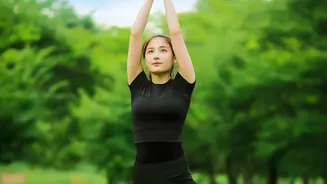
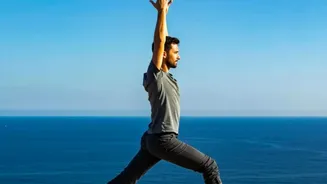
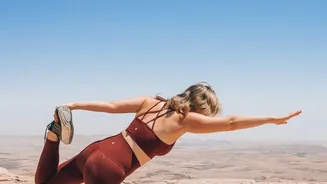
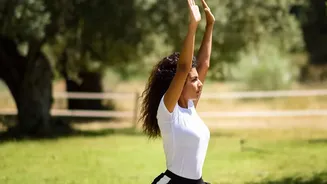
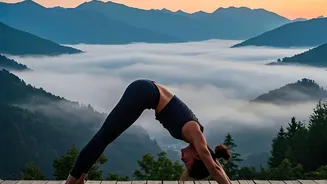
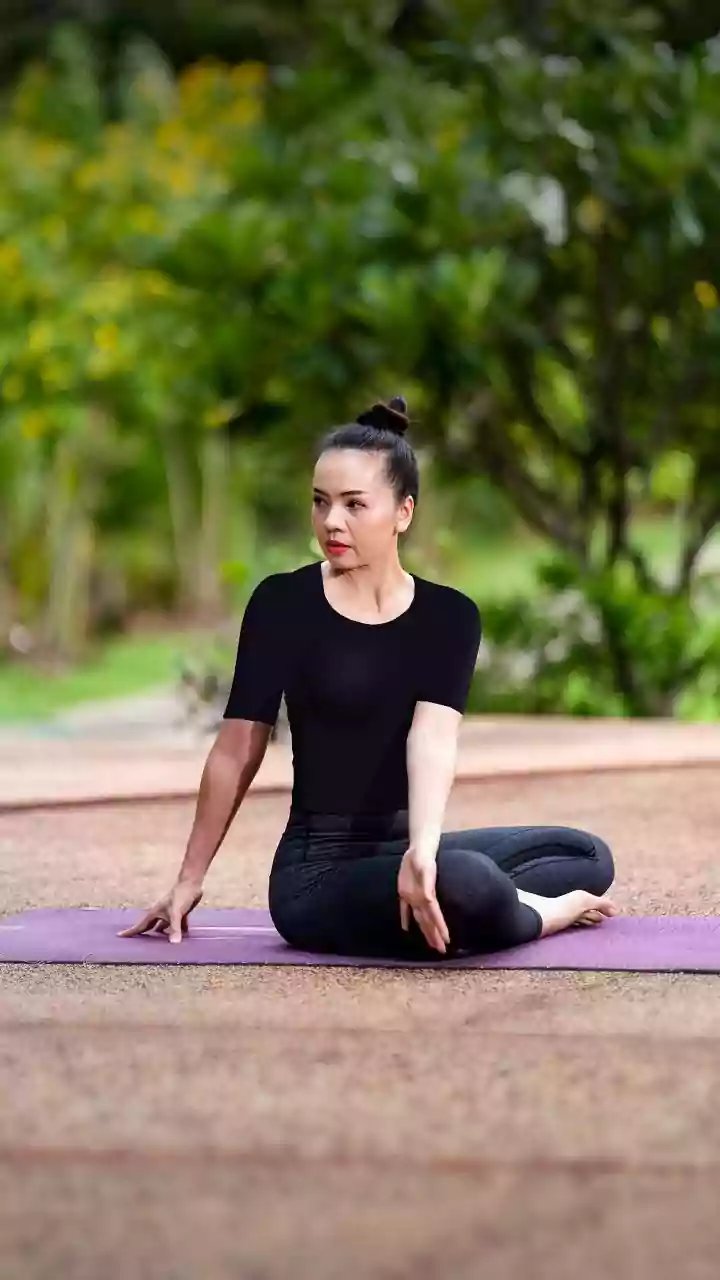
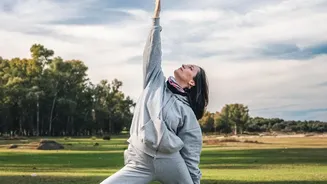
In yoga, breathing—known as pranayama—is not just supportive; it is a central pillar of the practice. It is the bridge between the body and mind. The awareness here is less about fueling muscle and more about guiding the nervous system. Each movement is often intentionally synchronised with an inhale or an exhale, a style known as Vinyasa. Typically, expansive movements like lifting the chest are paired with an inhale, while contracting movements like folding forward are paired with an exhale. This deliberate synchronisation turns the physical practice into a form of meditation in motion. The goal is not just to get oxygen but to cultivate mindfulness, focus the mind, and move with intention. A technique like Ujjayi breath, with its gentle constriction of the throat, creates an audible, steady rhythm that anchors the practitioner firmly in the present moment.
A Tale of Two Nervous Systems
The most profound difference in breathing awareness lies in how each activity influences the autonomic nervous system (ANS). The ANS has two main branches: the sympathetic system ('fight or flight') and the parasympathetic system ('rest and digest'). Brisk walking, as a form of cardiovascular exercise, is primarily a sympathetic activity that energises the body. In contrast, the slow, controlled breathing central to most yoga practices is specifically designed to activate the parasympathetic nervous system. By intentionally slowing the breath, yoga stimulates the vagus nerve, which helps lower heart rate, reduce blood pressure, and decrease levels of the stress hormone cortisol. While some vigorous yoga styles can be stimulating, the overarching emphasis on mindful exhalation directly promotes a state of calm and relaxation.
Interpreting Your Goal: Cardio or Calm?
So, how should you interpret your breathing? The answer depends on your goal for the day. If your aim is to boost cardiovascular health, burn calories, and build stamina, the rhythmic, performance-oriented breathing of a brisk walk is your focus. Your awareness is directed toward maintaining a steady, deep cadence that fuels your body efficiently. If your goal is to reduce stress, quiet your mind, and improve your mind-body connection, then the intentional, calming breath of yoga is more appropriate. Here, awareness is about feeling the breath move through your body, linking it to each posture, and using it as a tool to regulate your mental and emotional state. One is not better than the other; they simply serve different purposes. Walking is primarily for the health of the body, while yoga's breathwork is for the health of both body and mind.
The Best of Both Worlds
The beautiful thing is that these two practices are not mutually exclusive. In fact, they can complement each other perfectly. After a brisk walk that has energised your body, a short yoga session can help you cool down and transition into a more relaxed state. Conversely, you can bring yogic breathing principles into your walk. By consciously focusing on slow, diaphragmatic breaths while you walk, you can create a more mindful, less stressful aerobic experience. This practice, sometimes called 'Breathwalk', has been shown to offer greater anxiety-reducing effects than walking alone. By experimenting with both, you can learn to use your breath as a versatile tool, adapting it to build energy when you need it and cultivate calm when you crave it.