







The Slippery Side of Plastic
The primary appeal of plastic footwear is its water resistance. However, this very quality can turn against you. While the material itself repels water, it offers very little grip when a film of water gets between your foot and the shoe's inner sole,
or between the outer sole and a smooth, wet surface like tiles or polished stone. This makes your foot slide around inside the shoe, creating instability and a high risk of slips and falls, which can lead to sprains or fractures. Many users report that as the tread on plastic footwear wears down, it becomes notoriously slippery on wet ground. [9, 12, 15] Ironically, shoes meant for wet conditions can become a hazard in them.
A Breeding Ground for Infections
The monsoon's blend of warmth and humidity is the perfect environment for fungi and bacteria to thrive. [2, 10] While plastic shoes with holes seem breathable, they can trap moisture against your skin, especially if you're walking around for hours. This prolonged dampness weakens the skin's natural protective barrier, making it vulnerable. [2] Common monsoon ailments like Athlete's Foot, a fungal infection causing itching, peeling, and cracked skin between the toes, are a direct result of these conditions. [14] Similarly, bacteria can cause unpleasant odours and other infections, especially if you have a small cut or scrape that provides an entry point. [2]
The Danger in the Puddles
A simple pair of plastic flip-flops offers minimal protection from the world outside. During heavy rains in India, streets often become waterlogged with water that is far from clean. This water can be contaminated with waste and animal urine, carrying serious health risks. One major concern is leptospirosis, a bacterial disease that can enter the body through cuts on your feet or ankles. [8, 17] Symptoms often begin with fever and muscle pain but can lead to severe kidney or liver problems. [8, 17] Wearing open footwear that exposes your feet to direct contact with floodwater is a significant risk that a simple pair of sandals cannot prevent. [20]
Building a Better Monsoon Foot Plan
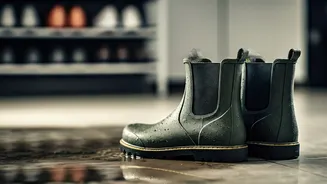
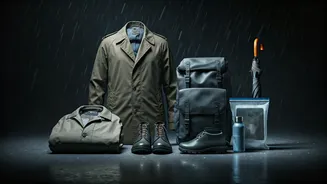
A comprehensive monsoon foot care strategy goes beyond just choosing one type of shoe. Your goal should be to keep your feet as clean and dry as possible. Instead of non-breathable plastic, consider footwear made from semi-porous materials or waterproof shoes that are designed for better grip and support. For office commutes, carrying a pair of dry shoes and socks to change into upon arrival is a wise move. The most crucial step is to remove any wet footwear immediately once you are indoors. [3]
Essential Daily Foot Hygiene
Proper hygiene is your best defence. After coming in from the rain, wash your feet with mild soap and warm water, paying close attention to the spaces between your toes. [4, 5] The next step is critical: dry your feet thoroughly with a clean towel. Trapped moisture is the enemy. [5] Applying an antifungal powder can help absorb any lingering dampness and prevent fungal growth. [3] It is also important to keep your toenails trimmed straight across to prevent dirt and bacteria from accumulating underneath them. [4] If you notice any signs of a persistent infection, such as a foul smell, redness, or skin that won't heal, it is best to consult a doctor. [4]