






A Culinary Map on One Plate
For years, dining out in India often meant choosing between a familiar roster of ‘North Indian’, ‘South Indian’, or ‘Chinese’ options. But a quiet, delicious revolution is underway. Chefs and restaurateurs are increasingly moving beyond these broad categories
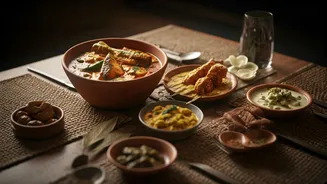
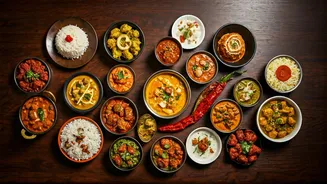
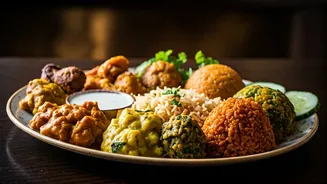
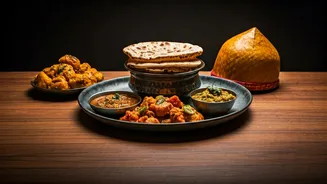
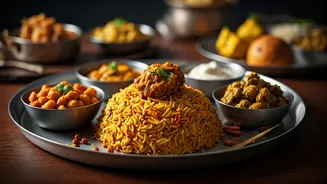
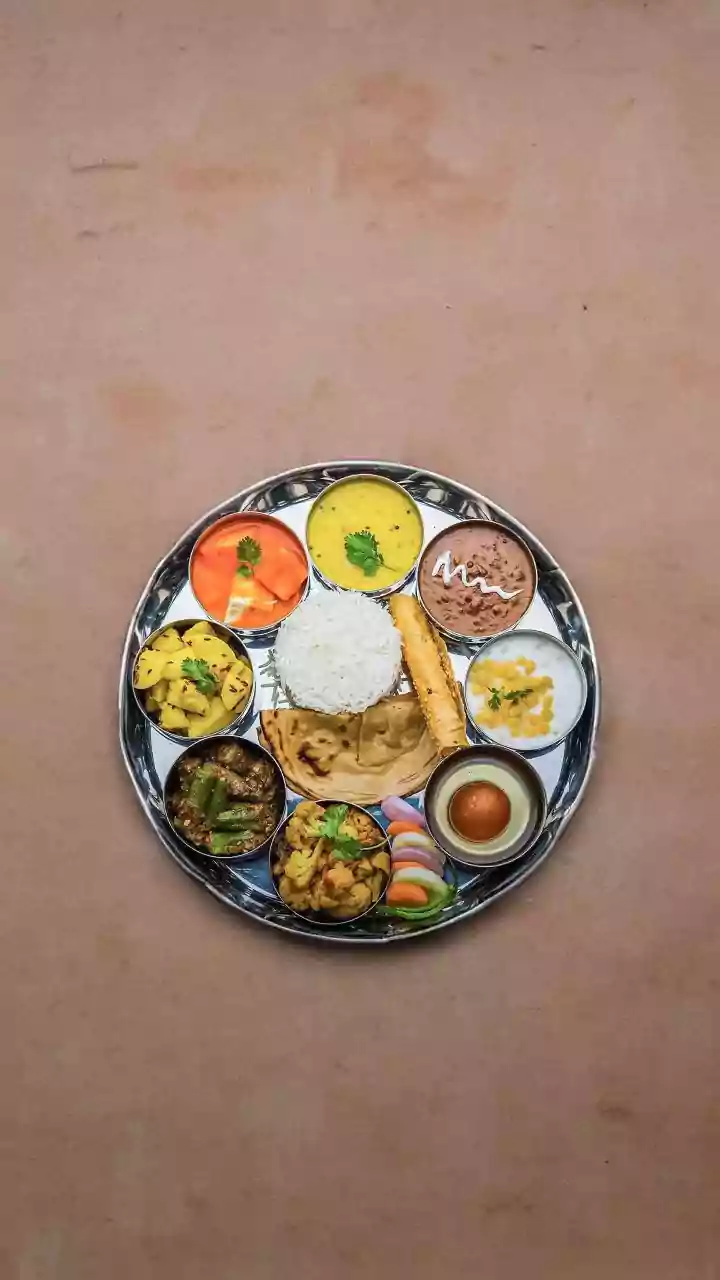
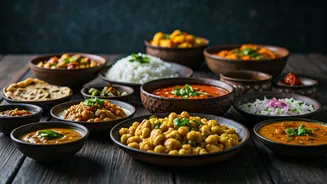
to celebrate the incredible diversity of India’s regional cuisines—all under one roof. This new approach treats the restaurant menu like a culinary map of the subcontinent, inviting diners on a journey without ever leaving their seats. Restaurants are curating experiences that showcase lesser-known traditions and ingredients from across the country. Instead of sticking to one region, they are building a narrative that connects the dots between different food cultures, proving that diversity is the most flavourful ingredient of all.
The Zesty Spirit of the Konkan Coast
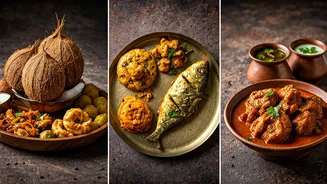
The first stop on this flavourful journey is the Konkan coast, a region synonymous with vibrant and tangy tastes. Konkani cuisine is a masterclass in balancing sour, spicy, and sweet notes, often using coconut in both grated and milk forms. The star of the show is frequently kokum, a sour fruit that imparts a unique tartness and a beautiful rosy hue to dishes. Think of the refreshing Sol Kadi, a cooling drink made from kokum and coconut milk, which is a classic start to a coastal meal. The region’s Malwani-style curries, fired up with a special blend of dried red chillies and other spices, offer a fiery counterpoint, creating a cuisine that is as bold and refreshing as the sea it borders.
Kolkata's Soulful, Comforting Embrace
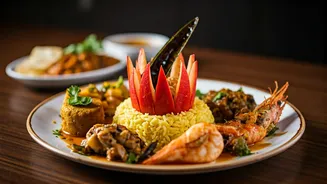
From the zesty coast, we travel east to the heart of comfort food: Kolkata. Bengali cuisine is often described as soulful, known for its delicate balance of flavours and its deep love for mustard (shorshe) and freshwater fish. It’s a cuisine that values subtlety, where dishes like the iconic ‘maacher jhol’ (fish curry) or ‘kosha mangsho’ (slow-cooked mutton) are designed to soothe and satisfy. But it’s also a cuisine with a rich history of adaptation, as seen in dishes like Fish Kabiraji, a product of the Anglo-Indian culinary history where British fish and chips met Bengali spices and a unique, lace-like egg coating. It represents a warmth and generosity that feels like a hug in a bowl, making it a perfect anchor in a multi-regional menu.
The Aromatic Warmth of Kashmir
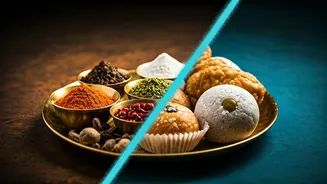
Our final destination takes us to the mountains, to the unparalleled warmth and fragrance of Kashmiri cuisine. Renowned for its aromatic spices and slow-cooked preparations, this is food that engages all the senses. Spices like fennel, cardamom, and the world’s most expensive spice, saffron, create a complex flavour profile that is rich but not overpowering. Signature dishes like Rogan Josh, a fragrant lamb curry, and Gushtaba, tender meatballs in a yogurt-based gravy, are cornerstones of the legendary multi-course feast known as the Wazwan. The cuisine often uses yogurt as a base for its gravies, lending a subtle tang that beautifully complements the aromatic spices and tender meats. This is the ‘warmth’ in the headline—a culinary tradition designed to comfort and nourish in the cool mountain air.
An All-India Dining Experience
Bringing these disparate worlds together is no small feat, but pioneering restaurants are proving it can be done with respect and flair. Take, for instance, Parva in Chennai, where the menu spans an incredible 23 regions of India. Here, a meal can begin with a Konkani Sol Kadi, move on to a Bengali Fish Kabiraji, and feature other regional gems along the way. The key to their success is a commitment to authenticity; chefs often source ingredients directly from their native regions to stay true to the original flavours. This isn't about creating a confused fusion, but rather a curated celebration. It’s about shining a light on the lesser-known food traditions, ingredients, and stories that make Indian cuisine one of the most diverse and exciting in the world.