


The Foundation: Why Fit Comes First
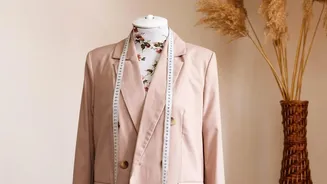
The single most important factor in a garment's value is how it fits you. An ill-fitting designer piece will look worse than a perfectly tailored budget item every time. A good fit is not just about comfort; it's about confidence. When clothes fit well,
they flatter your body and move with you, not against you. When shopping, pay attention to key areas. The shoulder seams of a shirt or jacket should sit right at the edge of your shoulder. Sleeves should end at your wrist bone, and you should be able to move your arms freely. For trousers, the waist should be snug but not tight, and the length should be appropriate for the shoes you'll wear them with. Don't buy something in the hopes of fitting into it later; buy for the body you have now. A small investment in tailoring can transform a good-enough item into a great one, making it something you reach for constantly.
The Smart Metric: Understanding Cost Per Wear
To truly measure an item's value, think in terms of 'cost per wear' (CPW). This simple calculation divides the total cost of a garment by the number of times you wear it. A ₹500 t-shirt worn only twice has a CPW of ₹250. A well-made ₹4000 jacket worn 100 times has a CPW of just ₹40. This mindset shifts the focus from the initial price to long-term value and usability. A higher-quality, more expensive item that you love and wear frequently often proves to be a better investment than a cheap, trendy piece that falls apart or goes out of style after a few wears. Before you buy, ask yourself: "How many times will I realistically wear this?" This simple question encourages more mindful purchases and helps you build a wardrobe of versatile staples that stand the test of time.
Preservation and Care: Making Clothes Last
Proper care is essential to extending the life of your garments and can reduce a clothing item's environmental impact significantly. Always start by reading the care label. Simple habits can make a huge difference. Wash clothes less frequently; many items like jeans and sweaters don't need to be washed after every single wear. When you do wash, opt for cold water cycles. Hot water can weaken fibres, cause shrinkage, and lead to colours fading. Air-drying is far gentler than a machine dryer, which can damage fibres over time (the lint in your dryer is literally your clothes disintegrating). For delicate Indian fabrics like silk or heavily embroidered pieces, hand-washing or professional cleaning is the safest bet to maintain their integrity. Taking these extra steps ensures your clothes stay looking their best for years.
A New Beginning: The Power of Reuse and Upcycling
When a piece of clothing no longer serves its original purpose, its life isn't necessarily over. Extending the lifecycle of your garments through reuse is both sustainable and creative. Simple alterations can give an old dress a modern silhouette. If a garment is beyond repair for wearing, think about upcycling. An old cotton saree can be transformed into beautiful cushion covers or a quilt. A pair of worn-out jeans has the potential to become a sturdy tote bag, an apron, or even a denim patchwork. T-shirts can be cut into strips to make braided rugs or turned into produce bags. Even small scraps can be used to create patches, hair accessories, or stuffed toys. Before you discard an old garment, consider its potential for a second life. This approach not only reduces waste but also adds unique, personalised items to your home and wardrobe.