
New Moon and Prime Stargazing: August 12
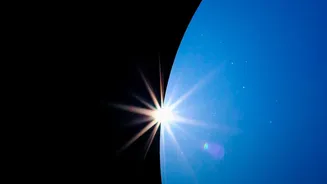
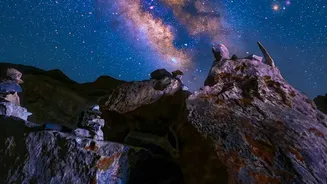
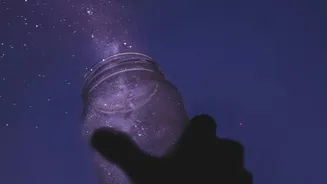
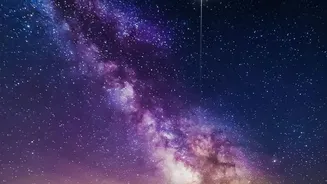
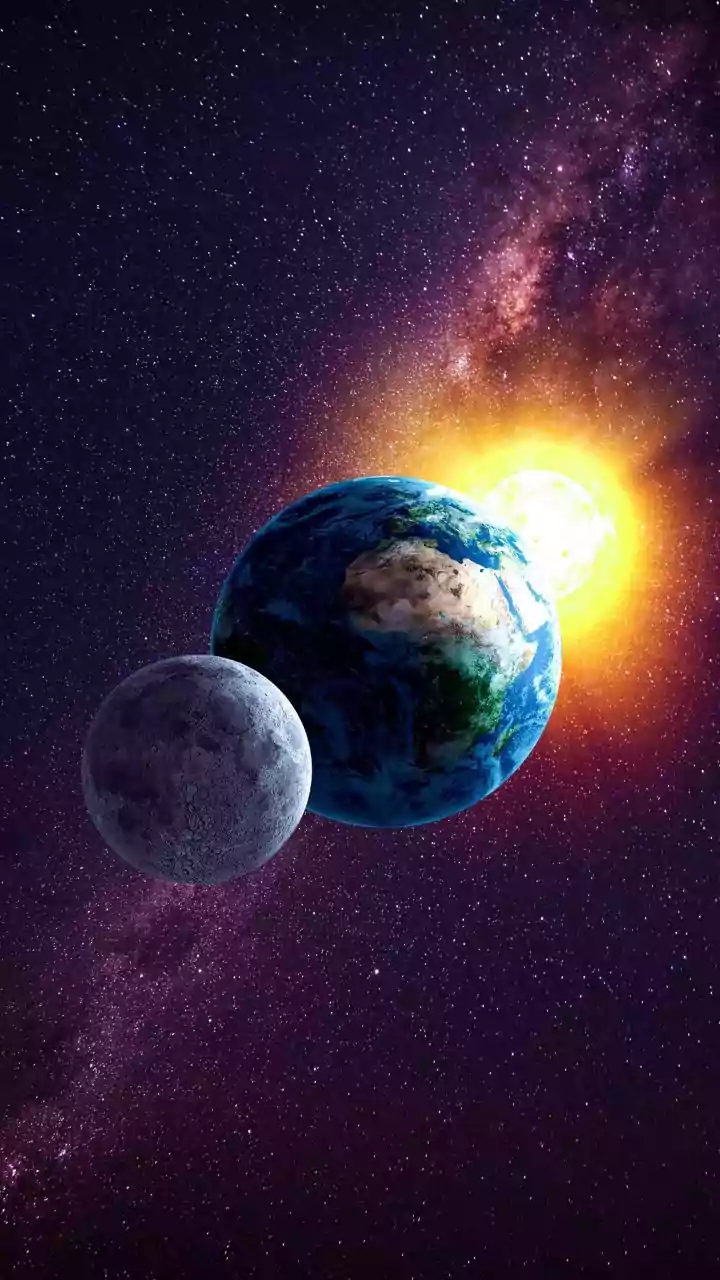
The month's best stargazing opportunities begin with the New Moon on August 12. On this night, the Moon is positioned between the Earth and the Sun, leaving the sky exceptionally dark. This lack of moonlight creates the perfect canvas for spotting fainter
stars, distant galaxies, and the faint glow of the Milky Way. If the monsoon skies grant you a clear window, this is the ideal night to head to a location with minimal light pollution. The darkness is not just a treat in itself; it sets the stage for the month's main event, ensuring that even the faintest shooting stars will be visible.
The Main Event: Perseid Meteor Shower Peak: August 12-13
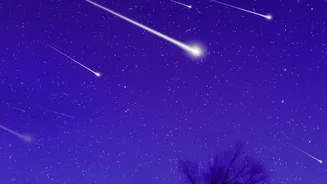
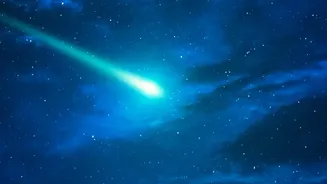
The Perseid meteor shower is one of the most beloved celestial events of the year, and 2026 promises an exceptional show. The shower will reach its peak on the night of August 12 and into the pre-dawn hours of August 13, perfectly coinciding with the New Moon. This means no moonlight will interfere, making it the best Perseid display in years. Caused by debris from the Comet Swift-Tuttle, the Perseids are known for their bright, fast meteors, with rates potentially reaching 60 to 100 meteors per hour under perfect conditions. For viewers in India, the best time to watch will be after midnight, particularly between 2:00 AM and 4:30 AM on August 13, before twilight begins. Find a dark spot away from city lights, lie back, and look towards the northeast.
A Parade of Planets: August 12-13
As a bonus during the Perseid peak, a pre-dawn planetary parade will stretch across the sky on August 12 and 13. Six planets—Mercury, Mars, Jupiter, Saturn, Uranus, and Neptune—will appear in a broad arc. Mars and Saturn will be the easiest to spot with the naked eye. Mercury and Jupiter will be very low on the eastern horizon about 30 to 60 minutes before sunrise, making them challenging but rewarding targets if you have a clear view. While Uranus and Neptune will require binoculars or a small telescope, the alignment of the brighter planets offers a fantastic photo opportunity and a chance to identify multiple worlds at once.
Venus Shines Brightest: August 15
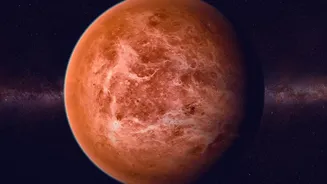
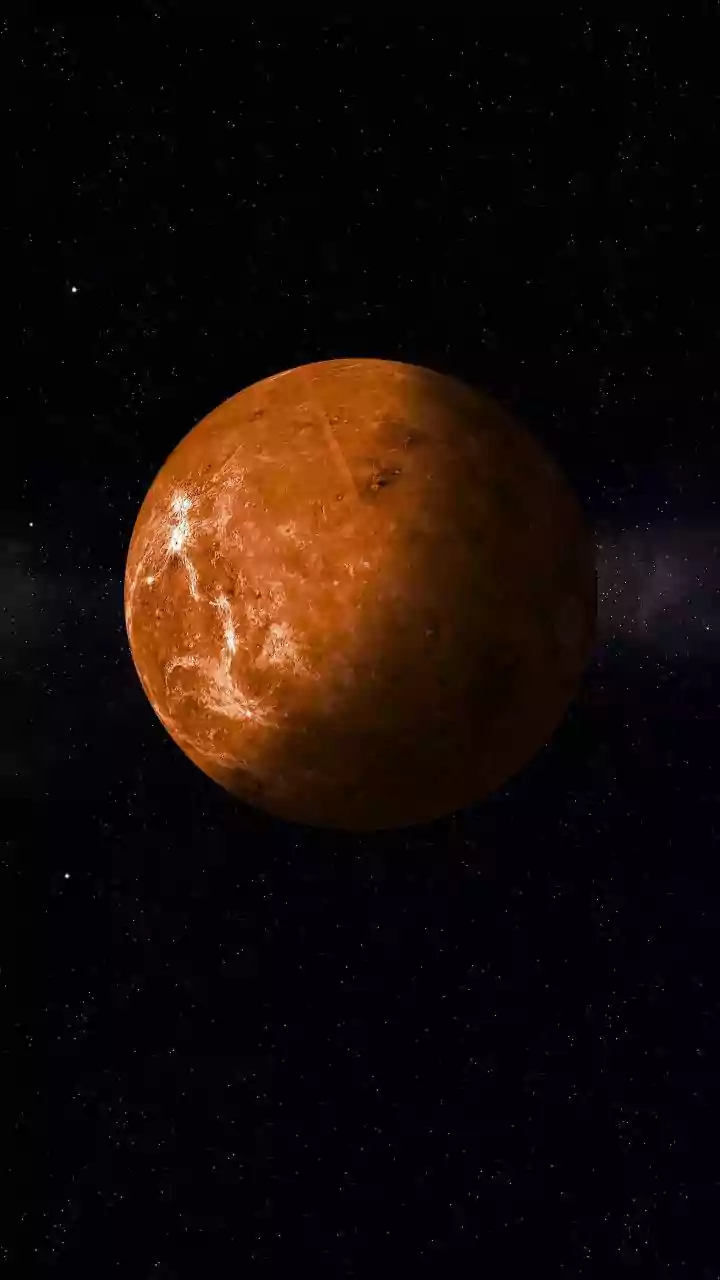
Just after the excitement of the meteor shower, Venus will command attention in the evening sky. On August 15, the planet reaches its greatest elongation east, meaning it will be at its farthest distance from the Sun as seen from Earth. This makes it a brilliant object in the western sky shortly after sunset. Often called the "Evening Star," Venus's dazzling brightness makes it unmistakable. This is an excellent, easy-to-spot event for beginners and a beautiful sight for seasoned observers. Look west as the sky begins to darken to catch this brilliant beacon.
The Full Sturgeon Moon and a Partial Eclipse: August 28
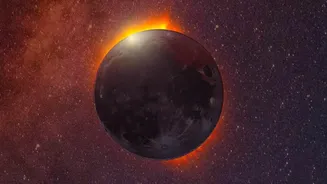
The month concludes with the Full Sturgeon Moon on August 28. This Full Moon gets its name from the large number of sturgeon fish that were historically caught in North American lakes during this time of year. This year, the event is extra special as it coincides with a partial lunar eclipse. For observers in parts of Europe, Africa, and the Americas, a portion of the Moon will pass through Earth's dark shadow. While visibility in India may be limited depending on the exact timing and your location, the Full Moon itself will be a brilliant sight, rising in the east as the Sun sets in the west and illuminating the night sky.