



The Flight Path to Affordability
The biggest barrier to international travel has always been the cost of flights. But a growing number of budget and national carriers are changing the game for trips to the Middle East. Airlines like SalamAir, Air India Express, and IndiGo now offer direct
flights from major Indian hubs like Mumbai, Delhi, Bengaluru, and Chennai to Muscat. These routes, often taking just three to four hours, have made Oman more accessible than ever. With round-trip fares sometimes dipping as low as ₹15,000 to ₹20,000 when booked in advance, a trip to Oman can be cheaper than flying to some parts of India. This affordability is the primary engine driving a new wave of tourism, putting an Arabian adventure within reach for students, young professionals, and anyone with a taste for exploration on a tight budget.
Oman's Allure: Nature Over Neon
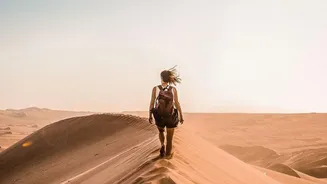
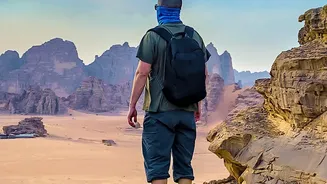
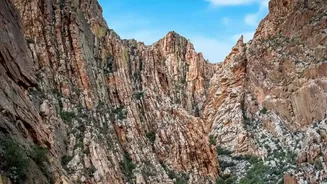
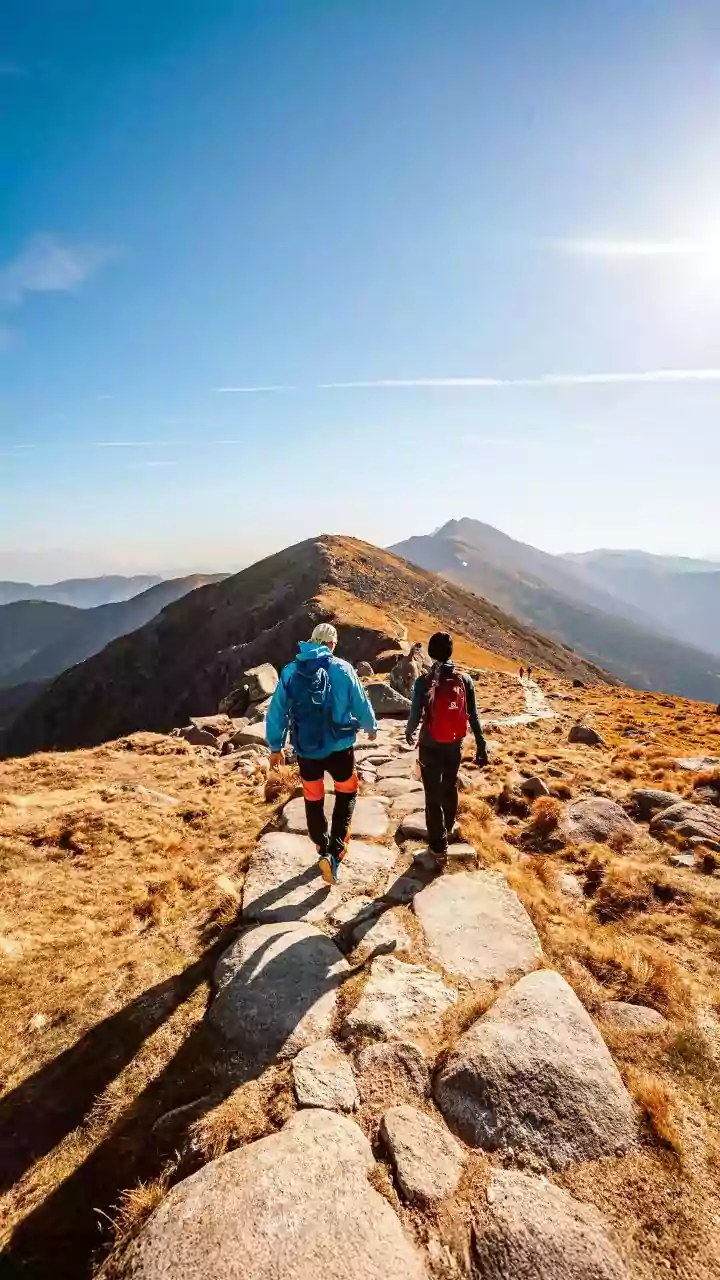
Just a short flight away, Oman offers a dramatic contrast to the skyscraper-filled skylines of its neighbours. Its appeal lies in its raw, rugged, and breathtaking natural beauty. The country is a paradise for outdoor enthusiasts, boasting a diverse landscape of pristine beaches, dramatic mountain ranges like Jebel Shams (often called the Grand Canyon of Arabia), and the iconic rolling dunes of the Wahiba Sands desert. Perhaps the most famous attractions are the wadis—stunning natural pools and riverbeds with emerald and turquoise waters, perfect for a refreshing swim. Unlike highly curated tourist experiences, much of Oman's natural beauty is free to access, making it an ideal destination for travellers who prioritise experiences over extravagance.
A Tent for a Hotel: The Camping Advantage
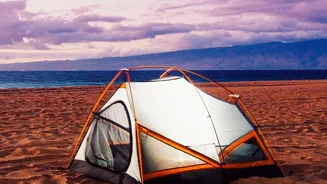
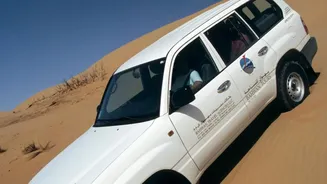
While flights have become cheap, accommodation and transport within Oman can be costly. This is where the camping trend truly comes into its own. Wild camping is not only legal but also a widely accepted practice across most of Oman's public lands. This simple fact is a game-changer for budget-conscious travellers. Instead of spending thousands on hotels, young Indians are packing tents or renting 4x4s with rooftop tents to sleep under the stars. Imagine setting up camp on a deserted beach, on a mountain plateau with canyon views, or deep within the quiet of the desert. This approach drastically cuts down costs and allows for unparalleled freedom and immersion in the country’s stunning environments. Local supermarkets in cities like Muscat even have dedicated sections for affordable camping gear, making it easy to get equipped on arrival.
Planning Your Omani Camping Trip
Ready to pitch a tent in Oman? A little planning goes a long way. The best time to visit is between October and April, when the weather is pleasant and ideal for outdoor activities. Renting a car, preferably a 4x4, is highly recommended as public transport is limited and many of the best natural spots are remote. Popular and relatively accessible camping areas near Muscat include the beaches around Sifah and Yiti, or further afield towards Wadi Shab and the Bimmah Sinkhole. For desert camping, Wahiba Sands is the classic choice, while Jebel Shams offers a cooler, high-altitude experience. Always follow the golden rule of wild camping: leave no trace. Take all your rubbish with you to preserve the natural beauty that makes Oman so special.
The New Face of Indian Travel
The rise of Oman as a camping destination reflects a broader shift in how young Indians approach travel. Moving away from traditional package tours, they are increasingly seeking authentic, adventurous, and Instagram-worthy experiences that don't break the bank. This new generation of travellers is independent, resourceful, and eager to explore off-the-beaten-path destinations. The combination of easy accessibility, stunning landscapes, and the freedom of wild camping has created the perfect storm, positioning Oman as a top choice for those looking to redefine their travel boundaries and create truly unique memories.