







Terrain and Environment
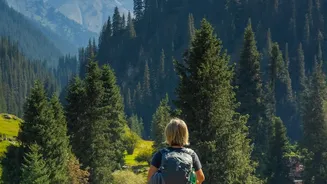
The most fundamental difference lies in where you walk. A leisure walk typically takes place on predictable, often paved surfaces like city sidewalks, park pathways, or neighbourhood streets. The environment is familiar and maintained. A nature trek,
by contrast, is defined by its journey through natural, often rugged landscapes. Think forest trails, mountain paths, or countryside tracks where the ground is uneven, and you might encounter rocks, roots, and steep inclines. A trek's purpose is to immerse you in a wilder setting, far from the conveniences of urban life.
Intensity and Duration
A leisure walk is generally a low-intensity activity performed at a relaxed pace. It can last from a few minutes to an hour or so, and the main goal is often relaxation or light activity. A trek is a more physically demanding endeavour. It's almost always a longer journey, lasting several hours or even spanning multiple days. The intensity is higher due to challenging terrain and potential elevation changes, turning the walk into a significant workout that builds cardiovascular health and muscular endurance.
Mindset and Intention
When you go for a leisure walk, your mindset is often casual. You might be chatting with a friend, listening to a podcast, or simply clearing your head after a long day. The focus is on relaxation and gentle movement. A trek, however, requires a more focused and intentional mindset. It’s often a goal-oriented journey, whether the aim is to reach a summit, a scenic viewpoint, or complete a specific long-distance trail. This requires more mental preparation and builds resilience as you navigate challenges along the way. The intention is not just to walk, but to journey through and connect with nature on a deeper level.
Gear and Preparation
For a leisure walk, you need little more than a comfortable pair of shoes. Preparation is minimal. Trekking, due to its length and environment, demands more specialised gear. Sturdy hiking boots with ankle support are essential to handle rough ground. A backpack is needed to carry essentials like water, extra food, a first-aid kit, navigation tools, and layers of clothing for changing weather. For multi-day treks, this extends to camping equipment like a tent, sleeping bag, and cooking gear.
Physical and Mental Benefits
While any form of walking is beneficial, the two activities deliver different rewards. A leisure walk is excellent for reducing stress, gently moving your body, improving digestion, and balancing hormones without spiking cortisol. It's a restorative activity. Trekking provides a more robust physical workout, significantly improving cardiovascular fitness, building muscle strength, and burning more calories. Mentally, the rewards are also profound. Overcoming the challenges of a trek provides a powerful sense of accomplishment, while deep immersion in nature has been shown to reduce rumination on negative thoughts, improve problem-solving skills, and boost overall mental clarity.